


Send Message
Privacy statement: Your privacy is very important to Us. Our company promises not to disclose your personal information to any external company with out your explicit permission.



Aluminum is a lightweight, corrosion-resistant metal widely used across industries for its versatility and cost-effectiveness. As a primary component in the steel industry's supply chain, aluminum material offers exceptional strength-to-weight ratio, thermal conductivity, and formability.
For procurement buyers, choosing the right aluminum material means reducing transportation costs while maintaining structural integrity. Whether you're sourcing aluminum sheets, bars, or extrusions, understanding material grades and specifications ensures optimal performance for your application.
Our company specializes in high-quality steel products, but our extensive experience in metallurgical materials gives us deep insight into aluminum specifications, allowing us to guide you toward the best material selection for your project requirements.
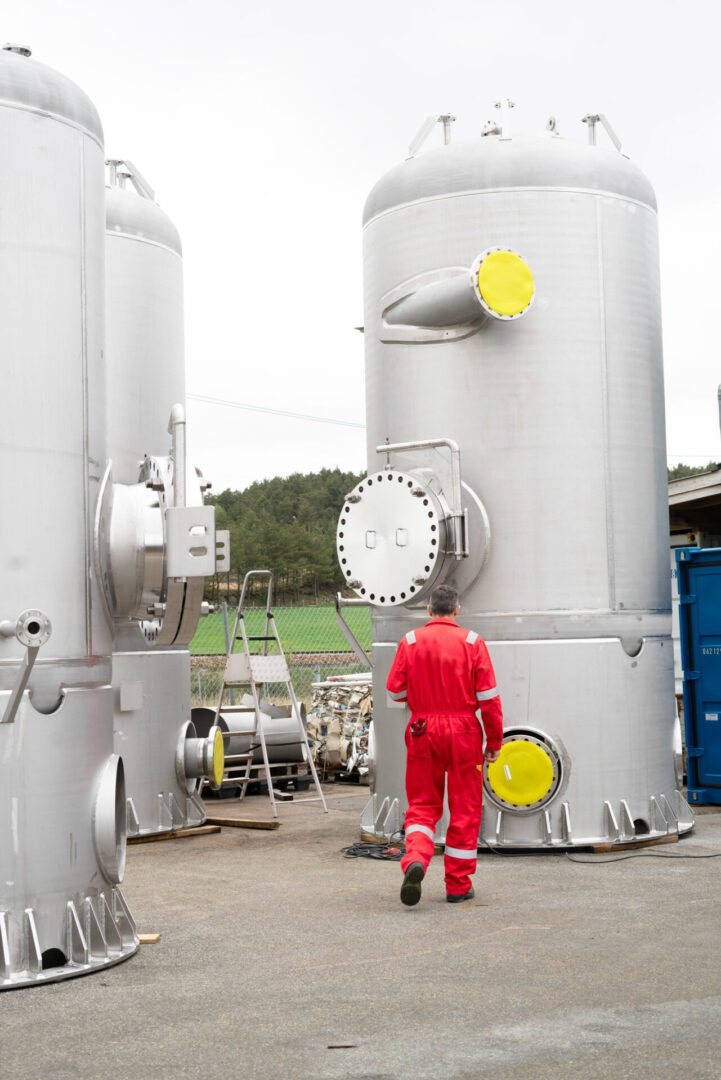
Our manufacturing facility operates under strict quality control protocols compliant with international standards including ASTM, ANSI, DIN, and JIS specifications. Every batch of aluminum material undergoes rigorous testing to ensure chemical composition and mechanical properties meet your exact requirements.
Benefit: Consistent material quality reduces production downtime and eliminates costly rework on your end.
Each shipment of aluminum material comes with comprehensive documentation including mill test certificates, chemical analysis reports, and physical property data. This full traceability supports your quality management systems and simplifies compliance audits.
Benefit: Streamlined documentation process saves time during supplier qualification and regulatory reviews.
With an annual output capacity of up to 600,000 tons across our 200,000 square meter modern factory, we can reliably fulfill large-volume aluminum material orders without compromising quality or delivery timelines.
Benefit: Single-source procurement from a high-capacity manufacturer reduces supply chain complexity and lead times.
Our team of over 400 professionals provides technical consultation on aluminum alloy selection, heat treatment options, and surface finishing processes. We help you optimize material specifications for cost efficiency and performance.
Benefit: Access to expert guidance accelerates your product development cycle and minimizes material waste.
Start by defining the mechanical properties your project demands. Consider factors such as tensile strength, yield strength, hardness, and corrosion resistance. Different aluminum alloys excel in different environments—whether you need marine-grade corrosion resistance or high-temperature stability.
The aluminum industry categorizes alloys into series based on their primary alloying elements: 1xxx (pure aluminum), 3xxx (manganese), 5xxx (magnesium), 6xxx (magnesium-silicon), and 7xxx (zinc). Each series offers distinct advantages for specific applications ranging from aerospace components to architectural structures.
Pro Tip: Consult with experienced suppliers who understand both aluminum material specifications and your end-use application to select the most cost-effective grade that meets all performance criteria.
Aluminum material is extensively used in oil and gas pipeline infrastructure due to its excellent corrosion resistance and lightweight properties. Our expertise in producing petroleum casing and oil/gas line pipe ensures compatible aluminum solutions for demanding downstream applications.
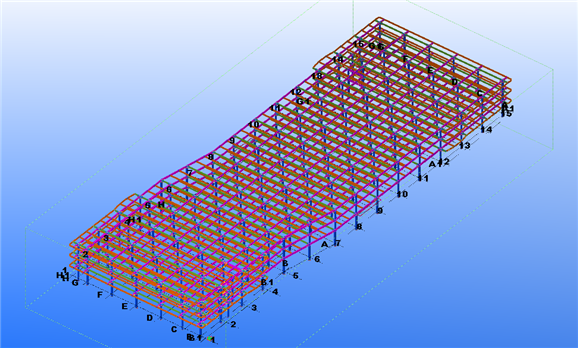
From exhibition center buildings to bridge construction, aluminum alloys provide durable, low-maintenance structural components. The material's recyclability and sustainability profile make it ideal for green building projects and infrastructure developments.
Aluminum's natural oxide layer provides superior resistance to many corrosive chemicals, making it suitable for tanks, vessels, and piping in chemical processing and water treatment facilities. Select the appropriate alloy grade for your specific chemical environment.
Lightweight aluminum profiles reduce overall train weight, improving energy efficiency and payload capacity. Our manufacturing precision ensures components meet the stringent safety and durability standards required for railway applications.
Aluminum greenhouse frameworks resist rust and require minimal maintenance in humid agricultural environments. The material's longevity translates to lower total cost of ownership compared to traditional steel structures.
Special aluminum alloys are employed in high and low pressure boiler applications where weight savings and thermal conductivity are critical. Proper material selection ensures safe operation under extreme temperature and pressure conditions.
When evaluating suppliers for aluminum material procurement, consider partnering with an established steel manufacturer like Shaanxi Jiade Group Co., Ltd. Our two decades of experience in metallurgical manufacturing, combined with a 120 million USD fixed asset base, demonstrates substantial operational capability and financial stability.
Single-Source Advantage: Sourcing aluminum material alongside your existing steel pipe and tube purchases simplifies vendor management, consolidates logistics, and strengthens negotiating leverage through volume commitment.
Technical Expertise: Understanding both steel and aluminum metallurgy enables us to provide informed recommendations on material compatibility, fabrication considerations, and optimal alloy selection for your specific application challenges.
Global Export Experience: With years of international trade operations, we understand export documentation, customs clearance, and international shipping requirements—reducing friction in cross-border aluminum material procurement.

The most frequently specified aluminum alloys include 6061 and 6063 for general structural applications, 5052 for marine and chemical environments, and 7075 for high-strength aerospace components. The optimal choice depends on your specific requirements for strength, weldability, corrosion resistance, and machinability. Our technical team can recommend the most cost-effective alloy for your project.
Aluminum weighs approximately one-third as much as steel while offering comparable strength-to-weight ratios in many applications. This significant weight reduction translates to lower transportation costs, easier handling during installation, and reduced foundation requirements for structural applications. For projects where weight matters—such as vehicle frames, aircraft components, or portable structures—aluminum material delivers substantial performance advantages.
Request mill test certificates confirming chemical composition and mechanical properties per ASTM, EN, or GB standards depending on your regional requirements. Verify that the manufacturer holds relevant quality management certifications and has experience supplying your target market. Documentation should include batch numbers, heat treatments applied, and test results for tensile strength, yield strength, and elongation.
Most aluminum alloys are readily weldable using TIG, MIG, or resistance welding processes. However, certain heat-treatable alloys (like 6xxx and 7xxx series) may experience reduced strength in the heat-affected zone after welding. Preheating, proper filler material selection, and post-weld heat treatment can mitigate these effects. Our experienced engineering team can advise on fabrication best practices for your selected aluminum grade.
Standard aluminum material grades in common dimensions are typically available from stock with lead times of 7-15 days. Custom sizes, special tempers, or non-standard alloys may require 3-6 weeks depending on production scheduling. Given our annual capacity of 600,000 tons, we maintain robust inventory levels and production flexibility to accommodate urgent orders when possible.
Yes, aluminum is 100% recyclable without loss of properties, making it one of the most sustainable industrial materials. Recycling aluminum requires only 5% of the energy needed for primary production. Many aluminum alloys contain significant recycled content, and end-of-life recycling rates exceed 90% in many markets. Choosing aluminum material supports corporate sustainability goals and circular economy initiatives.
Related Products List
Contact Us

Privacy statement: Your privacy is very important to Us. Our company promises not to disclose your personal information to any external company with out your explicit permission.
Fill in more information so that we can get in touch with you faster
Privacy statement: Your privacy is very important to Us. Our company promises not to disclose your personal information to any external company with out your explicit permission.