


Send Message
Privacy statement: Your privacy is very important to Us. Our company promises not to disclose your personal information to any external company with out your explicit permission.


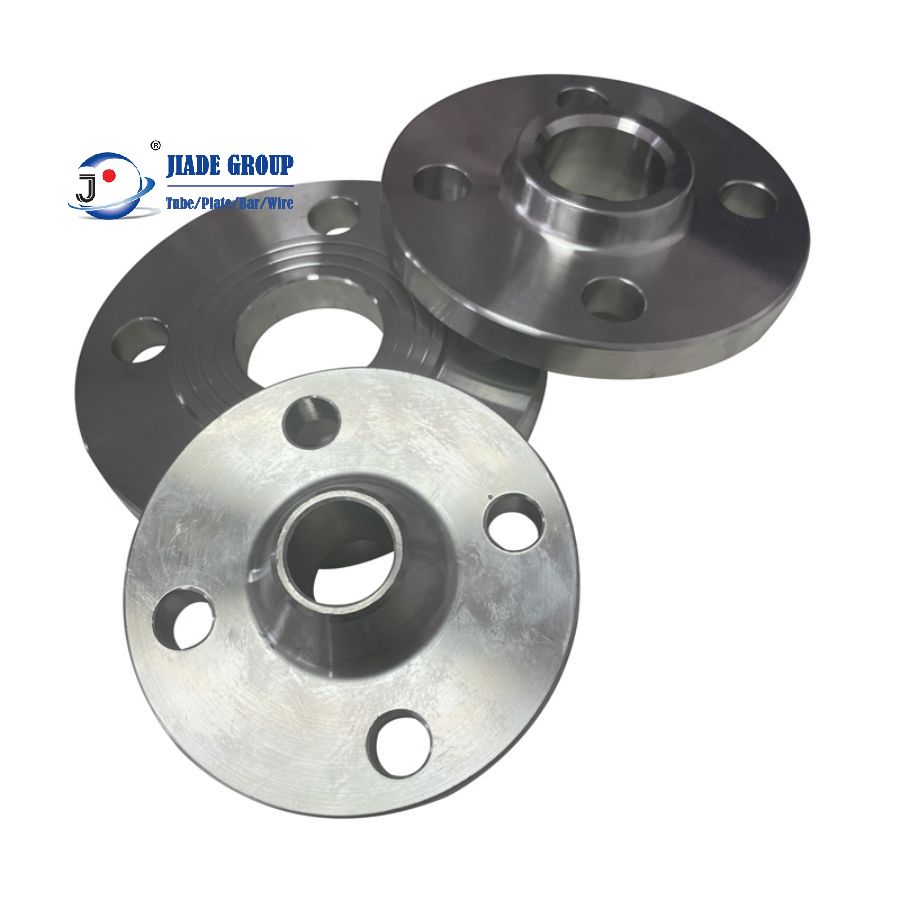
Steel flanges are critical mechanical components used to connect sections of piping, valves, pumps, and other equipment in a piping system. They provide a detachable connection that allows for easy assembly, disassembly, and maintenance without cutting the pipe.
Understanding the various steel flange types is essential for ensuring system integrity, pressure containment, and leak-proof performance. Different flange designs serve specific engineering requirements based on pressure ratings, temperature conditions, and installation constraints.
Shaaxnxi Jiade Group offers a comprehensive range of steel flange solutions manufactured to international standards including ASTM, ANSI, DIN, JIS, and GB specifications. Our production capabilities ensure consistent quality across all flange categories.
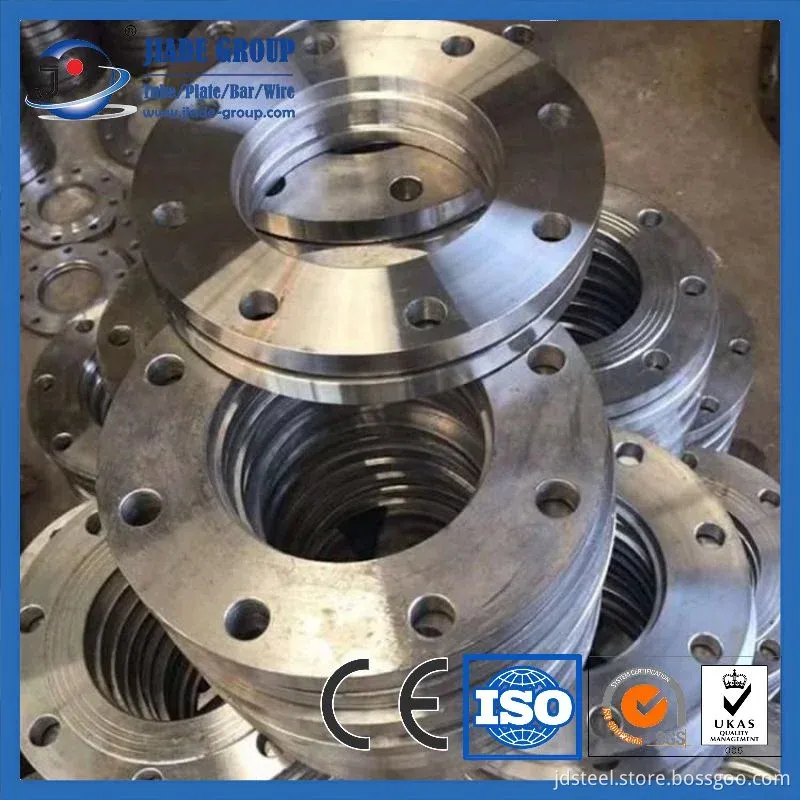
At Shaanxi Jiade Group, our state-of-the-art 200,000 square meter facility employs rigorous quality control measures throughout the entire manufacturing process. With over 400 skilled professionals and an annual output capacity of 600,000 tons, we deliver steel flanges that meet the most demanding industry specifications.
Every batch of raw material undergoes comprehensive chemical analysis and mechanical testing to verify compliance with specified grades. We maintain full traceability from raw steel input to finished flange delivery, ensuring complete documentation for your quality assurance records.
Our manufacturing operations utilize advanced forging, machining, and heat treatment technologies to produce flanges with exceptional dimensional accuracy and surface finish. This precision ensures reliable gasket seating and uniform bolt loading during installation.
All steel flange products are manufactured in strict accordance with recognized international standards:
Selecting the appropriate steel flange type for your application requires careful consideration of multiple technical factors. The wrong choice can lead to leaks, premature failure, costly downtime, and safety hazards. Our expert team helps buyers navigate these decisions to optimize both performance and total cost of ownership.
Different flange types are rated for specific pressure ranges and temperature extremes. Weld neck flanges excel in high-pressure, high-temperature environments due to their reinforced neck design. Slip-on flanges may be suitable for lower-pressure applications where cost optimization is priority.
Consider your welding capabilities and installation requirements. Weld neck flanges require butt-welding but provide superior strength. Socket weld and threaded flanges offer alternatives for smaller diameter pipes where full penetration welding is not feasible or economical.
Ensure compatibility between flange bore dimensions and pipe outer diameter. Mismatched dimensions create stress concentrations and potential leak paths. Our inventory covers standard sizes from 1/2 inch to 60+ inches in various wall thicknesses and schedules.
The nature of the fluid being transported dictates material selection and flange face type. Corrosive chemicals require stainless steel or special alloys. High-purity services demand smooth, cleanable flange faces. Our material experts guide you to the optimal combination.
Steel flanges are indispensable components across virtually every heavy industry sector. Their reliability in maintaining sealed connections under extreme conditions makes them critical infrastructure elements. Shaanxi Jiade Group serves diverse industries with customized flange solutions engineered for specific operational challenges.
High-pressure transmission lines, gathering systems, and processing facilities rely on robust steel flange connections capable of withstanding extreme pressures and harsh environmental conditions.
Boiler feed systems, steam lines, and cooling water circuits in thermal and nuclear power plants require flanges rated for elevated temperatures and cyclic thermal loading.
Corrosive chemical handling demands specialized alloy flanges with precise corrosion resistance profiles and tight sealing surfaces to prevent hazardous releases.
Large-diameter water transmission pipelines and treatment plant instrumentation require durable, leak-free flange connections for reliable long-term service.
When sourcing steel flanges from international suppliers, a structured evaluation process minimizes risk and ensures you receive products that meet your exact specifications. Use this checklist as a procurement guide when evaluating potential suppliers and comparing quotes.
Experienced procurement professionals understand that anticipating common pitfalls saves time and prevents costly project delays. Below are frequently encountered issues when sourcing steel flanges internationally, along with practical mitigation strategies.
Flanges from different manufacturers may show slight variations in bolt circle diameter, hub length, or face finish even when conforming to the same standard. Always request detailed dimensional drawings before ordering and specify tolerance requirements explicitly in your purchase contract.
Unscrupulous suppliers may substitute lower-grade materials for specified grades. Mitigate this risk by requiring certified mill test reports, conducting third-party material verification upon receipt, and working with established suppliers like Shaanxi Jiade Group who maintain transparent supply chains and full material traceability.
Poorly machined flange faces, rough bolt holes, or casting defects can compromise seal integrity. Specify surface finish requirements (typically 125-250 AAC for raised faces) and conduct visual inspections upon delivery. Request photographic evidence of finished products before shipment.
Production delays can cascade into project schedule disruptions. Establish clear communication protocols, request weekly production updates, and build buffer time into your procurement schedule. Partner with manufacturers who have demonstrated capacity to handle urgent orders and expedited production runs.
Selecting the right manufacturing partner is as important as selecting the right flange type. Shaanxi Jiade Group combines decades of expertise, massive production capacity, and unwavering commitment to quality to deliver steel flanges that exceed buyer expectations.
With 200,000 square meters of modern manufacturing facilities and an annual output of 600,000 tons, we reliably fulfill large-volume orders while maintaining consistent quality standards. No order size is too large or too small.
Founded in 2005, our company has built deep technical knowledge across carbon steel, stainless steel, alloy steel, and special steel flange production. This expertise translates to better product recommendations and fewer specification errors.
We understand international trade requirements, documentation standards, and logistics complexities. Our experienced export team ensures smooth transactions from quote to delivery, reducing administrative burden on your procurement team.
Whether your project requires ASTM, DIN, JIS, or GB standard flanges, our manufacturing processes are calibrated to meet each standard's unique requirements. One supplier handles all your global sourcing needs.
Vertical integration from raw material processing through final machining enables us to offer highly competitive pricing without compromising quality. Lower your landed costs while maintaining strict technical specifications.
Our engineering specialists provide pre-sales consultation to help you select optimal flange types, materials, and specifications for your specific application, reducing the risk of costly selection errors.
Get answers to the most common questions buyers ask when sourcing steel flanges. If your question isn't answered here, contact our technical sales team for personalized guidance.
The six primary steel flange types are: Weld Neck, Slip-On, Socket Weld, Threaded, Blind, and Lap Joint. Each type serves specific installation and performance requirements. Weld neck flanges offer the strongest connection for high-pressure services, while slip-on flanges provide cost-effective solutions for lower-pressure applications.
We manufacture flanges in carbon steel (A105, A350 LF2, A350 LF3), stainless steel (F304, F304L, F316, F316L, F321), alloy steel (F11, F22, F91), and specialty alloys. Material selection depends on operating temperature, pressure, and fluid compatibility requirements.
Standard pressure classes include 150#, 300#, 600#, 900#, 1500#, and 2500# per ASME B16.5. Custom pressure ratings are available for non-standard applications. Our engineering team assists in selecting the appropriate pressure class based on your system design parameters.
Standard lead times range from 15-30 days for stock items and 30-45 days for custom orders depending on quantity, material, and manufacturing complexity. Expedited production is available for urgent requirements. Contact our sales team for current availability and precise scheduling.
Yes, every shipment includes comprehensive documentation including Mill Test Certificates (MTC) per EN 10204 3.1 or 3.2, heat numbers, dimensional inspection reports, and surface finish verification. Third-party inspection by SGS, BV, or your appointed inspector is welcome at any production stage.
Absolutely. Our manufacturing capabilities extend beyond standard catalog items. We regularly produce oversized flanges, special material combinations, custom drilling patterns, and unique facing configurations. Provide your drawings or specifications, and our engineering team will evaluate feasibility and provide competitive quotations.
Related Products List
Contact Us

Privacy statement: Your privacy is very important to Us. Our company promises not to disclose your personal information to any external company with out your explicit permission.
Fill in more information so that we can get in touch with you faster
Privacy statement: Your privacy is very important to Us. Our company promises not to disclose your personal information to any external company with out your explicit permission.