


Send Message
Privacy statement: Your privacy is very important to Us. Our company promises not to disclose your personal information to any external company with out your explicit permission.



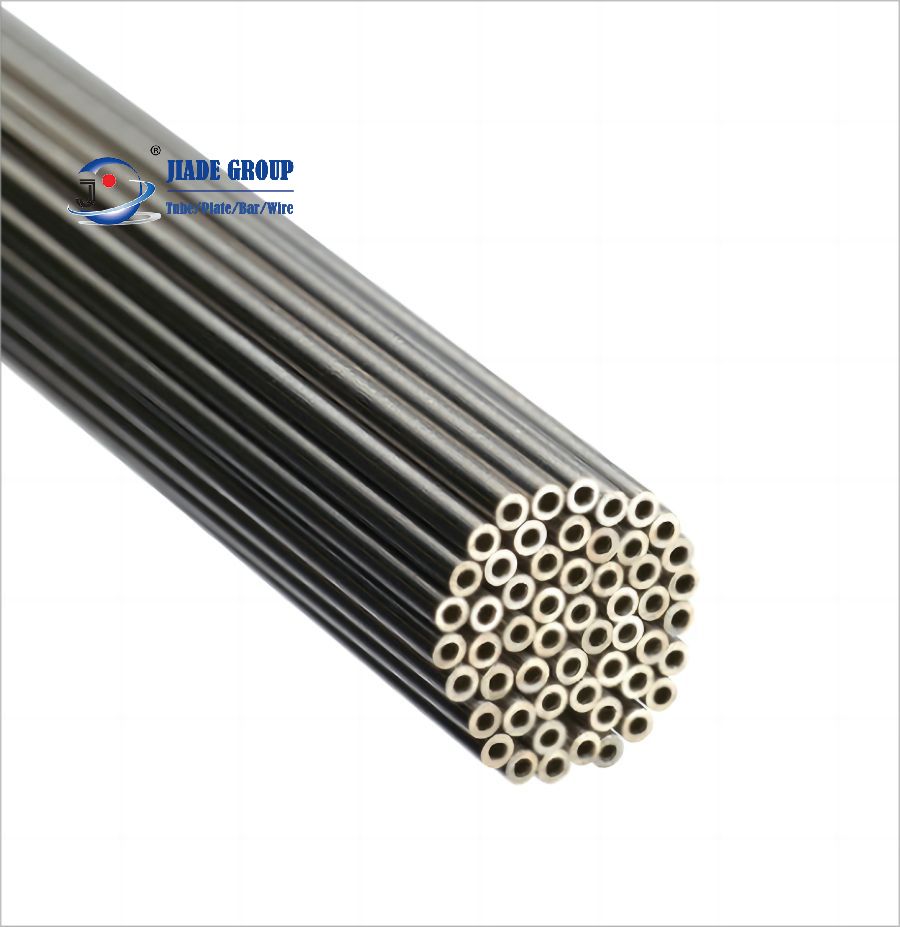
Titanium tubes are high-performance hollow profiles renowned for their exceptional strength-to-weight ratio and superior corrosion resistance. Unlike standard steel or copper tubing, titanium offers unmatched durability in aggressive chemical environments, making it the material of choice for critical infrastructure where failure is not an option.
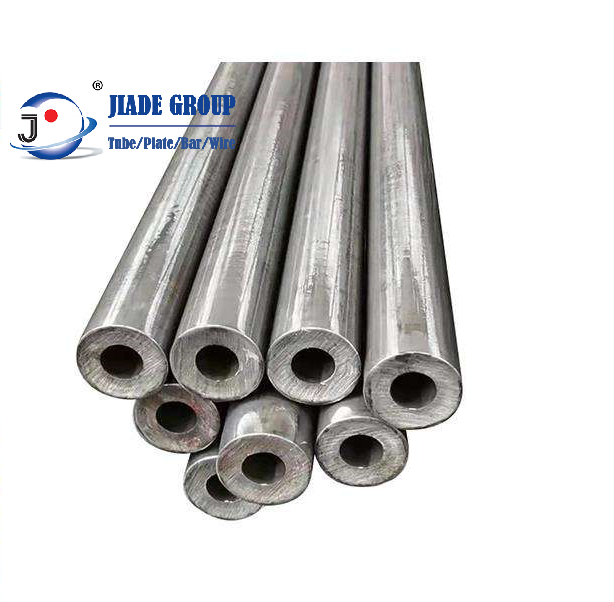
These tubes are available in seamless and welded configurations, accommodating a wide range of diameters and wall thicknesses. Their inherent biocompatibility and ability to withstand extreme temperatures make them indispensable across aerospace, marine, and medical industries. Sourcing high-quality titanium tube requires understanding these specific metallurgical advantages to ensure your application benefits from the material's full potential.
Key Benefit: Significantly extended service life and reduced maintenance costs compared to stainless steel or nickel alloys, lowering your total cost of ownership over time.

Selecting the right tubing material is a critical procurement decision that impacts system reliability, safety, and operational efficiency. Titanium tubes offer distinct advantages that solve common engineering challenges:
Procurement Value: By choosing titanium, you reduce downtime associated with corrosion failures and simplify supply chain logistics due to the material's versatility across multiple industries.
Ensuring consistent quality in titanium tube production requires strict adherence to international standards and rigorous manufacturing processes. Our facility implements comprehensive quality control measures from raw material intake to final inspection.
We produce titanium tubes compliant with ASTM B861, ASTM B862, GB/T 2965, and other relevant specifications. Each batch undergoes non-destructive testing (NDT), including eddy current testing and hydrostatic pressure tests, to guarantee integrity. Our advanced extrusion and drawing technologies allow us to achieve precise dimensional tolerances and superior surface finishes.
Buyer Assurance: Full traceability and certification documentation accompany every order, simplifying your compliance audits and reducing risk in regulated industries like aerospace and medical device manufacturing.
Selecting the appropriate titanium tube involves evaluating several technical parameters to match your specific application requirements. Here is a structured approach to making the right choice:
Titanium grades (Gr. 1, Gr. 2, Gr. 5, etc.) vary in strength and corrosion resistance. Pure grades (1-4) offer excellent formability and corrosion resistance, while alloy grades (like Ti-6Al-4V) provide higher strength for structural applications. Match the grade to your pressure and temperature requirements.
Consider outer diameter (OD), wall thickness (WT), and length. Seamless tubes offer uniform wall thickness and are ideal for high-pressure applications. Welded tubes are cost-effective for lower-pressure uses. Ensure tolerances meet your assembly requirements.
Surface quality affects fluid dynamics and corrosion performance. Mill finish is standard, but pickled, polished, or electropolished surfaces may be required for sanitary or high-purity applications. Specify your needs early to avoid unnecessary costs.
Titanium tubes serve critical roles across diverse industries where performance and reliability are paramount. Understanding these applications helps identify the best solution for your needs.
Condensers, heat exchangers, and desalination plants benefit from titanium's resistance to seawater corrosion, offering decades of reliable service in harsh marine environments.
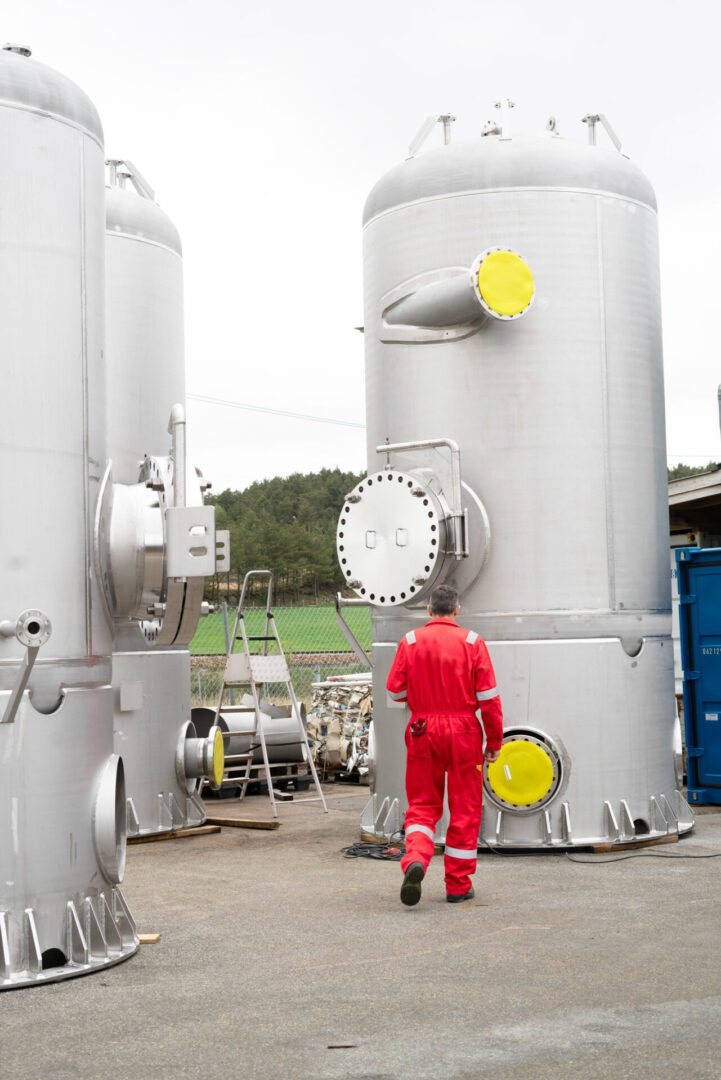
Transporting corrosive acids, alkalis, and chlorides in chemical plants. Titanium tubes resist attack from media that would rapidly degrade stainless steel or carbon steel components.
Bio-compatible titanium tubes are used in surgical instruments, implants, and dental applications. Their inert nature ensures patient safety and long-term biocompatibility.
Use this checklist when evaluating titanium tube suppliers to ensure you select a partner who can meet your technical and commercial requirements.
When sourcing titanium tubes, partnering with an experienced manufacturer ensures better quality, competitive pricing, and reliable delivery. Here are key factors to consider:
Choose suppliers with dedicated titanium production lines and extensive experience. Established manufacturers understand the nuances of titanium processing, from hot extrusion to cold drawing, ensuring consistent product quality.
Verify that your supplier holds relevant certifications such as ISO 9001, AS9100 (aerospace), or PED (pressure equipment directive). These certifications demonstrate commitment to quality management systems and regulatory compliance.
Ensure your supplier has experience exporting to your region and can handle complex logistics. Reliable shipping partners and proper packaging protocols prevent damage during transit and ensure timely delivery.
Understanding common pitfalls in titanium tube procurement can help you avoid costly mistakes and ensure smooth transactions.
Problem: Variations in wall thickness, surface defects, or incorrect material grade leading to premature failure.
Solution: Request mill test certificates (MTC) for every batch and specify acceptance criteria in your contract. Conduct third-party inspections for large orders.
Problem: Long lead times disrupting production schedules, especially for custom sizes or specialized grades.
Solution: Plan ahead and establish relationships with suppliers who maintain inventory of common grades and sizes. Consider buffer stock for critical applications.
Problem: Unexpected price increases due to raw material volatility or additional processing charges.
Solution: Negotiate fixed-price contracts for long-term supply agreements. Clearly define all costs upfront, including testing, packaging, and shipping expenses.
Problem: Misunderstandings regarding technical specifications, leading to incorrect deliveries.
Solution: Provide detailed technical drawings and specifications. Maintain regular communication with your supplier throughout the production process.
Get answers to common questions about titanium tube procurement, specifications, and applications.
Seamless titanium tubes are produced by piercing a solid billet, resulting in a continuous structure with uniform wall thickness. They are ideal for high-pressure applications and offer superior mechanical properties. Welded tubes are made from rolled plate that is welded along a seam, making them more cost-effective for low-pressure applications. The choice depends on your pressure requirements, budget, and application specifics.
Titanium Grade 2 (commercially pure) offers excellent corrosion resistance in most environments, including seawater and chloride solutions. For higher strength requirements, Grade 5 (Ti-6Al-4V) provides a good balance of strength and corrosion resistance. Grade 1 offers maximum formability and corrosion resistance but lower strength. Select the grade based on your specific environmental conditions and mechanical requirements.
Lead times vary depending on the grade, size, and quantity. Standard sizes and grades typically have shorter lead times (4-8 weeks) as they may be held in inventory. Custom sizes, special grades, or large quantities may require 8-12 weeks or longer. It's advisable to discuss your timeline with your supplier early in the procurement process to plan accordingly.
Yes, most manufacturers offer customization services for titanium tubes. You can specify custom outer diameters, wall thicknesses, lengths, and surface finishes. However, customization may involve higher minimum order quantities and longer lead times. Work closely with your supplier to optimize your specifications for both performance and cost-effectiveness.
Verify quality by checking mill test certificates against your specifications, conducting visual inspections for surface defects, and performing dimensional checks using calibrated instruments. For critical applications, consider third-party testing for mechanical properties, chemical composition, and non-destructive testing. Establish clear acceptance criteria in your purchase agreement.
Related Products List
Contact Us

Privacy statement: Your privacy is very important to Us. Our company promises not to disclose your personal information to any external company with out your explicit permission.
Fill in more information so that we can get in touch with you faster
Privacy statement: Your privacy is very important to Us. Our company promises not to disclose your personal information to any external company with out your explicit permission.