


Send Message
Privacy statement: Your privacy is very important to Us. Our company promises not to disclose your personal information to any external company with out your explicit permission.



Resistant titanium alloy bars are high-performance metal components engineered for extreme environments where corrosion resistance and structural integrity are critical. These specialty bars combine the exceptional strength-to-weight ratio of titanium with enhanced alloying elements that provide superior resistance to chemical attack, high temperatures, and mechanical stress.
For procurement professionals sourcing materials for demanding industrial applications, resistant titanium alloy bars offer a strategic advantage. The material's inherent corrosion resistance significantly extends service life in harsh conditions, reducing maintenance costs and unplanned downtime. When evaluating titanium alloy bar suppliers, understanding the specific alloy composition and its performance characteristics is essential for ensuring compatibility with your application requirements.
These bars are manufactured through precise metallurgical processes that ensure consistent mechanical properties throughout the material. The resulting product delivers reliable performance in sectors ranging from chemical processing to aerospace, making it an indispensable component for engineers and procurement specialists who prioritize long-term value over initial cost considerations.
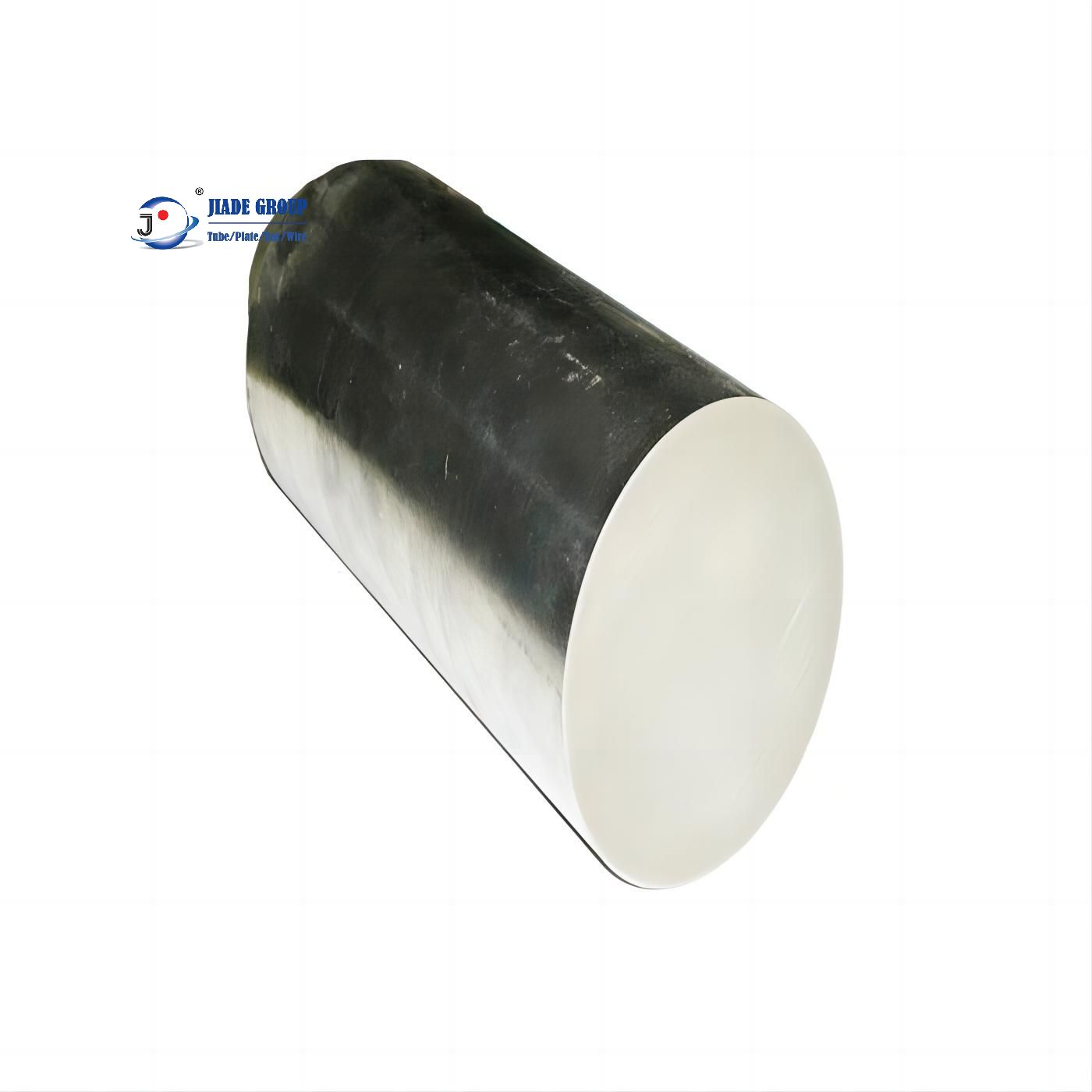
Our titanium alloy bars exhibit exceptional resistance to chloride stress corrosion cracking, pitting, and crevice corrosion. This translates to longer component lifespans and reduced replacement frequency, lowering your total cost of ownership across chemical processing, marine, and industrial applications.
With tensile strengths comparable to many steels at less than half the weight, our titanium bars enable significant weight reduction in your assemblies. This benefit is particularly valuable for aerospace, automotive, and portable equipment applications where weight savings directly impact fuel efficiency and operational costs.
Every batch of our resistant titanium alloy bars undergoes rigorous testing to meet international standards including ASTM, AMS, and MIL specifications. Consistent material properties ensure predictable performance in your manufacturing processes, eliminating quality-related production delays and supply chain disruptions.
Titanium alloys retain their mechanical strength at elevated temperatures where other metals degrade. Our bars perform reliably in applications requiring sustained operation between -200°C and 600°C, making them ideal for cryogenic systems, heat exchangers, and high-temperature industrial processes.
Grade 2 and implant-grade titanium alloys are inherently biocompatible and non-reactive with human tissue. For medical device manufacturers and pharmaceutical processors, this property eliminates contamination risks and ensures compliance with stringent regulatory requirements for materials contacting biological systems.
Unlike carbon steel or aluminum components, titanium alloy bars require no protective coatings, cathodic protection, or regular maintenance interventions. This characteristic reduces labor costs, eliminates coating reapplication expenses, and minimizes production interruptions associated with maintenance scheduling.
Manufacturing resistant titanium alloy bars demands specialized equipment, controlled environments, and experienced metallurgists. Our production process begins with premium-grade titanium sponge and carefully selected alloying elements, processed through vacuum arc remelting (VAR) or electron beam melting (EBM) to achieve ultra-high purity levels.
The ingot undergoes multiple forging and rolling stages under precisely controlled temperature parameters to refine grain structure and eliminate internal defects. Each processing step includes intermediate annealing cycles that restore ductility and ensure uniform mechanical properties throughout the final bar dimensions. This meticulous approach guarantees consistent quality across all order quantities.
Quality assurance encompasses comprehensive testing protocols including ultrasonic examination, chemical analysis, mechanical testing, and metallographic evaluation. Every shipment is accompanied by detailed mill test reports documenting compliance with applicable specifications, providing full traceability from raw material to finished product.
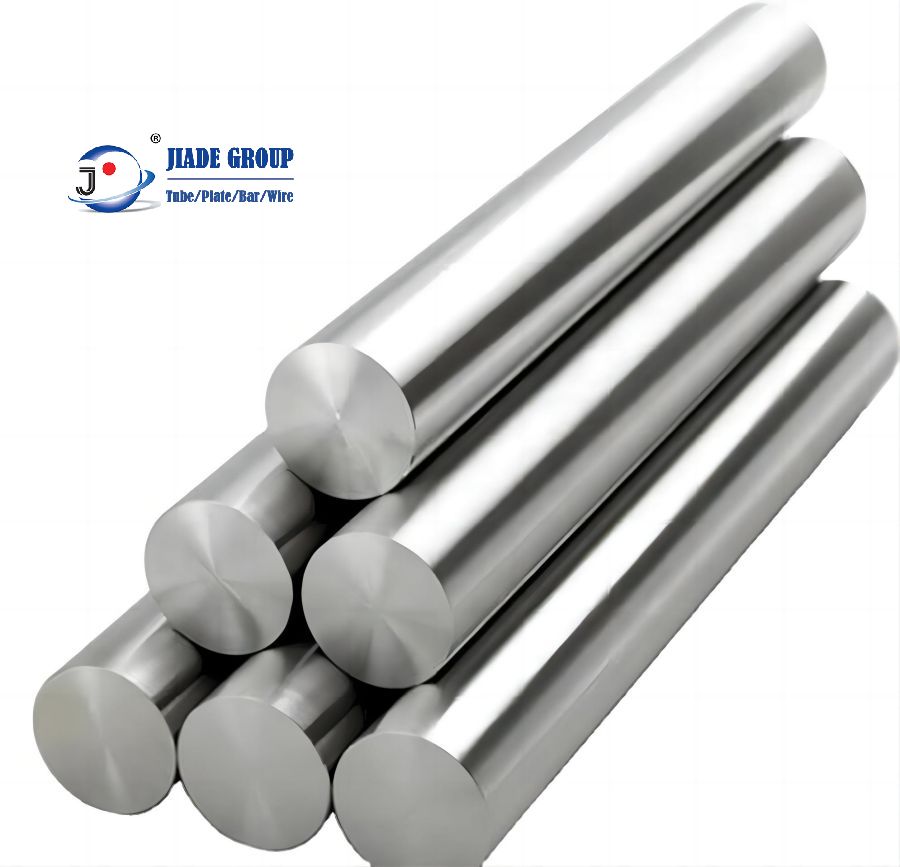
Only certified titanium sponge meeting grade-specific purity requirements enters our production stream. Incoming material verification includes spectral analysis and physical inspection to prevent contamination before melting begins.
Multi-pass VAR or EBM melting eliminates trace impurities and homogenizes alloy composition. This process produces ingots with exceptional cleanliness, achieving oxygen and nitrogen levels below industry standard thresholds.
Advanced rolling mills and precision grinding operations deliver tight tolerances on diameter, roundness, and surface finish. Standard tolerances meet ASTM B348 requirements, with custom specifications available for specialized applications.
Complete documentation packages include material certificates, test reports, and traceability records. Third-party inspection services can be arranged at any production stage to satisfy customer quality system requirements.
Selecting the appropriate titanium alloy bar requires careful consideration of your application's mechanical, chemical, and thermal demands. With multiple alloy grades available—ranging from commercially pure titanium to advanced alpha-beta alloys—making the wrong choice can result in premature failure, excessive weight, or unnecessary cost expenditure.
Titanium alloy bar selection should begin with identifying the primary failure mode you need to prevent. For corrosive chemical environments, Grade 2 or Grade 7 offers excellent resistance to chlorides and reducing acids. For high-strength structural applications, Grade 5 (Ti-6Al-4V) provides the optimal balance of strength and fabricability. When operating at elevated temperatures, alpha alloys like Grade 21 maintain creep resistance beyond what beta-capable alloys can achieve.
Consider the downstream fabrication processes your supplier will employ. Some titanium alloys respond better to specific forming, welding, or heat treatment procedures. Discussing your complete manufacturing workflow with your titanium alloy bar manufacturer early in the sourcing process helps identify the most suitable grade and temper condition for your project.
Document temperature ranges, chemical exposures, pressure conditions, and cyclic loading patterns. This information determines which alloy family and tempers will deliver adequate performance margins.
Establish minimum yield strength, tensile strength, elongation, and fracture toughness values based on engineering calculations. Include safety factors appropriate for your industry's regulatory framework.
Identify required forming operations, welding procedures, and heat treatment capabilities. Some applications demand cold-worked conditions while others require solution-treated and aged temper for maximum properties.
Resistant titanium alloy bars serve as critical components across numerous high-value industries where material failure is not an option. The combination of corrosion resistance, strength, and lightweight properties makes these bars the material of choice for applications that push the boundaries of performance and reliability.
In the chemical processing sector, titanium bars form the backbone of heat exchanger shafts, pump stems, valve components, and reactor internals exposed to aggressive process fluids. The petroleum and natural gas industry relies on titanium for downhole tools, drill string components, and subsea equipment operating in sour service environments containing hydrogen sulfide.
Aerospace manufacturers utilize titanium alloy bars for aircraft engine components, landing gear structures, and airframe fasteners where weight reduction directly impacts fuel economy and payload capacity. Marine engineering applications benefit from titanium's immunity to seawater corrosion, extending the service life of propeller shafts, rudders, and offshore platform components by decades compared to conventional materials.
Heat exchanger tubes, reactor vessels, piping systems, and agitator shafts exposed to chlorides, acids, and caustic solutions. Titanium eliminates contamination risks and prevents costly process shutdowns.
Downhole drilling tools, wellhead components, subsea valves, and refinery equipment operating in sour service. Superior resistance to H2S-induced cracking ensures safe, uninterrupted production.
Engine compressor blades, landing gear fittings, airframe fasteners, and hydraulic tubing. Weight savings improve fuel efficiency while maintaining structural integrity under extreme flight conditions.
Propeller shafts, stern tube bearings, seawater piping, and offshore platform hardware. Complete immunity to seawater corrosion dramatically extends maintenance intervals and component lifespan.
Surgical instruments, orthopedic implants, dental components, and pharmaceutical processing equipment. Biocompatibility and sterilization resistance meet the most stringent healthcare regulations.
Condenser tubing, turbine components, and nuclear reactor internals. High-temperature stability and corrosion resistance improve plant efficiency and reduce outage frequency.
Use this comprehensive checklist when evaluating potential suppliers and placing orders for resistant titanium alloy bars. Each item represents a critical factor that impacts your supply chain reliability, product quality, and overall procurement risk.
Procurement professionals frequently encounter challenges when sourcing titanium alloy bars. Understanding these common pitfalls allows you to implement preventive measures and build more resilient supply chains.
Unscrupulous suppliers may substitute lower-grade titanium or mix batches without disclosure. Always request third-party chemical analysis and verify MTR data against your specification requirements before accepting deliveries.
Iron contamination from handling equipment or storage facilities can compromise titanium's corrosion resistance. Require suppliers to use dedicated titanium handling tools, wooden or plastic cradles, and clean storage environments.
Variations in bar diameter, ovality, or straightness can cause machining failures and assembly issues. Specify acceptable tolerances in your purchase order and request pre-shipment dimensional inspection reports.
Titanium raw material availability fluctuates based on global demand and geopolitical factors. Build relationships with multiple qualified suppliers and maintain safety stock to mitigate disruption risks.
Titanium prices are subject to significant market fluctuations driven by sponge titanium supply, energy costs, and exchange rates. Consider fixed-price contracts for planned quantities or hedge against price increases.
Improper annealing or aging treatments can result in mechanical properties that fail to meet specification. Verify that heat treatment records include furnace calibration certificates and thermocouple placement documentation.
Commercially pure titanium (Grades 1-4) contains minimal alloying elements and offers excellent corrosion resistance with moderate strength. Titanium alloy bars, such as Grade 5 (Ti-6Al-4V), contain added aluminum and vanadium to significantly increase strength while maintaining good corrosion resistance. Grade selection depends on whether your application prioritizes maximum corrosion resistance or higher mechanical strength.
Standard titanium alloy bar diameters range from 6mm to 300mm, with lengths typically up to 6 meters. Custom diameters and lengths are available upon request, though they may affect lead times and pricing. Round, hexagonal, and square cross-sections are commonly stocked, with other shapes produced to order.
Titanium alloys can be welded using Tungsten Inert Gas (TIG) and Electron Beam (EB) welding methods. However, welding requires strict shielding gas protection to prevent atmospheric contamination. All welding procedures must follow AWS D17.1 or equivalent standards, and weld joint qualification testing should be performed for critical applications.
Reputable suppliers provide EN 10204 Type 3.1 or 3.2 Mill Test Reports documenting chemical composition, mechanical properties, and test methods used. Additional certifications may include ISO 9001 quality management, AS9100 aerospace quality, and NADCAP accreditation for heat treatment and non-destructive testing processes.
Titanium alloy bars typically cost 3 to 5 times more than equivalent stainless steel bars on a per-kilogram basis. However, when evaluated on a performance-per-dollar basis, titanium often proves more economical due to extended service life, weight reduction benefits, and eliminated maintenance costs. Total cost of ownership analysis should guide purchasing decisions rather than unit price alone.
Stock items in common grades and dimensions are typically available within 1-2 weeks. Custom orders requiring special melting, forging, or finishing processes usually have lead times of 4-12 weeks depending on grade, quantity, and complexity. Expedited delivery options may be available for urgent requirements at premium pricing.
Related Products List
Contact Us

Privacy statement: Your privacy is very important to Us. Our company promises not to disclose your personal information to any external company with out your explicit permission.
Fill in more information so that we can get in touch with you faster
Privacy statement: Your privacy is very important to Us. Our company promises not to disclose your personal information to any external company with out your explicit permission.