


Send Message
Privacy statement: Your privacy is very important to Us. Our company promises not to disclose your personal information to any external company with out your explicit permission.



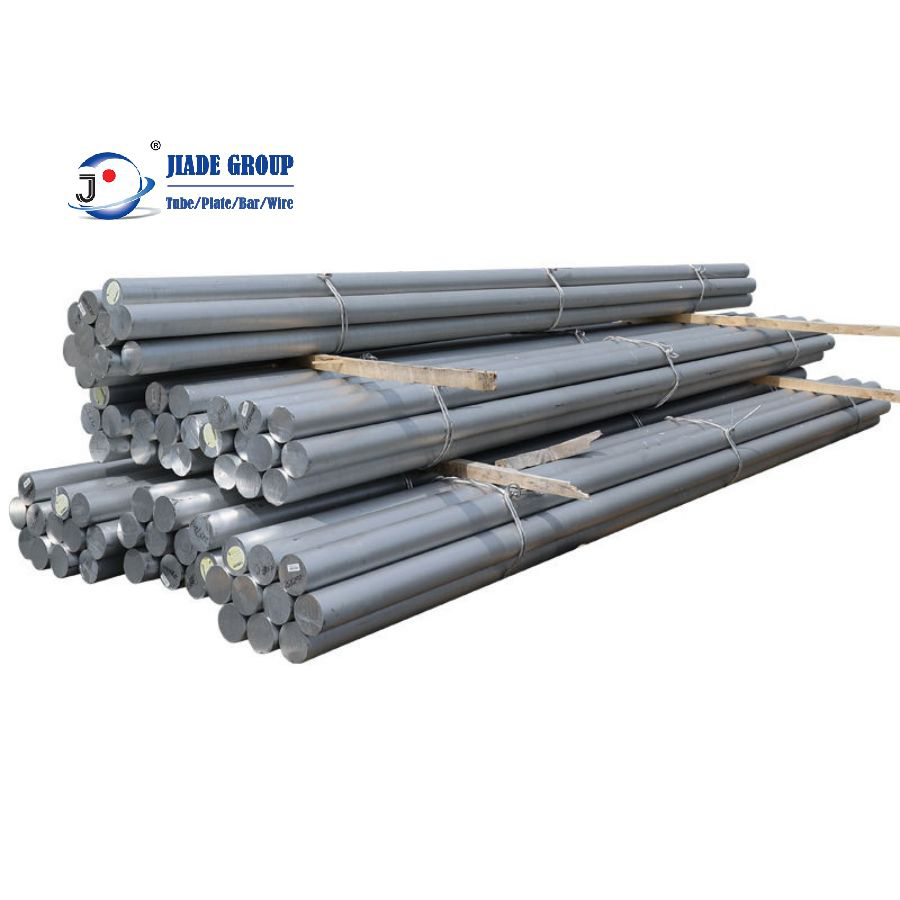
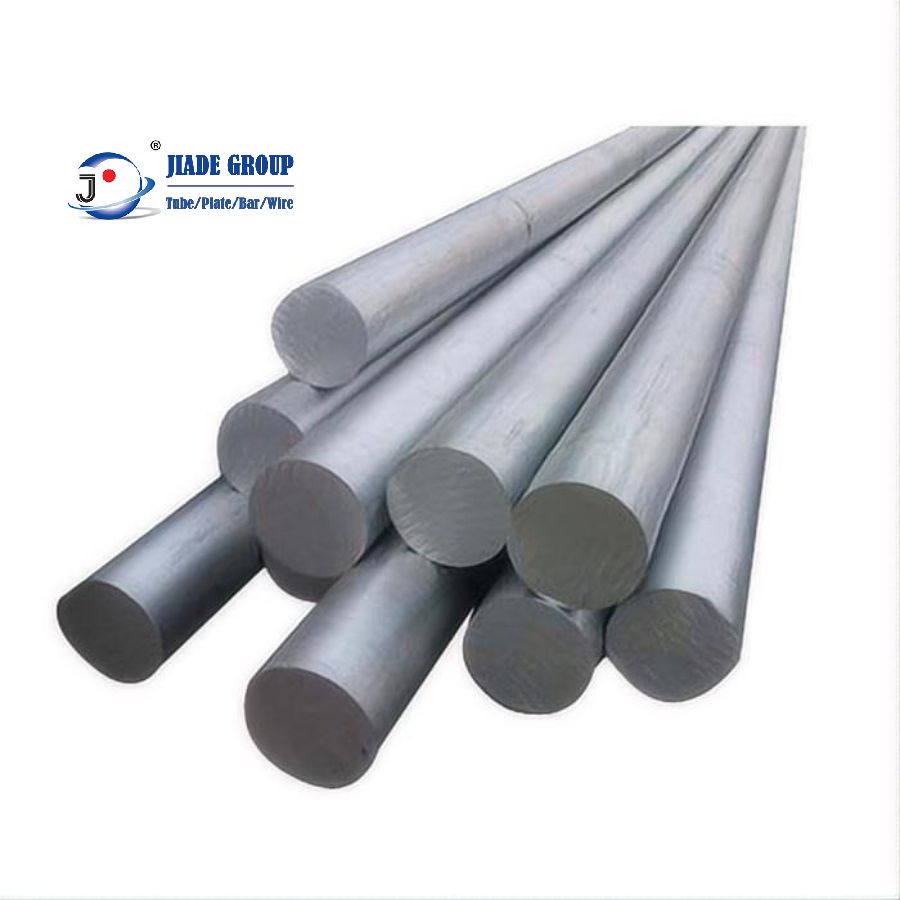
Alloy steel round bars are cylindrical metal products engineered with specific alloying elements to enhance mechanical properties beyond standard carbon steels. These bars serve as fundamental raw materials and structural components across heavy industries, offering superior strength, corrosion resistance, and thermal stability.
The composition of these bars typically includes iron combined with manganese, chromium, nickel, molybdenum, or vanadium. Each element contributes specific characteristics: chromium improves hardness and corrosion resistance, while molybdenum enhances high-temperature strength. This versatility makes alloy steel round bars essential for applications requiring precise engineering specifications and reliable performance under stress.
Our manufacturing process ensures that every alloy steel round bar meets rigorous international standards. With a modern factory covering 200,000 square meters and an annual output capacity of 600,000 tons, we maintain consistent quality control throughout production.
We comply with multiple global standards including API 5L PSL1/PSL2, GB, ASTM, ANSI, DIN, and JIS. Our quality management system covers material selection, heat treatment, dimensional accuracy, and surface finish verification. Each batch undergoes comprehensive testing to ensure mechanical properties match specification requirements.
Buyer Benefit: Compliance with recognized standards reduces your procurement risk and simplifies certification processes for end-use applications.
Selecting the correct alloy steel round bar requires understanding your application's mechanical demands, environmental conditions, and regulatory requirements. Key factors include tensile strength, yield strength, hardness, and chemical composition compatibility with your manufacturing process.
Alloy steel round bars serve critical roles across diverse industrial sectors where reliability and performance are non-negotiable. Their versatility stems from customizable alloy compositions that address specific operational challenges.
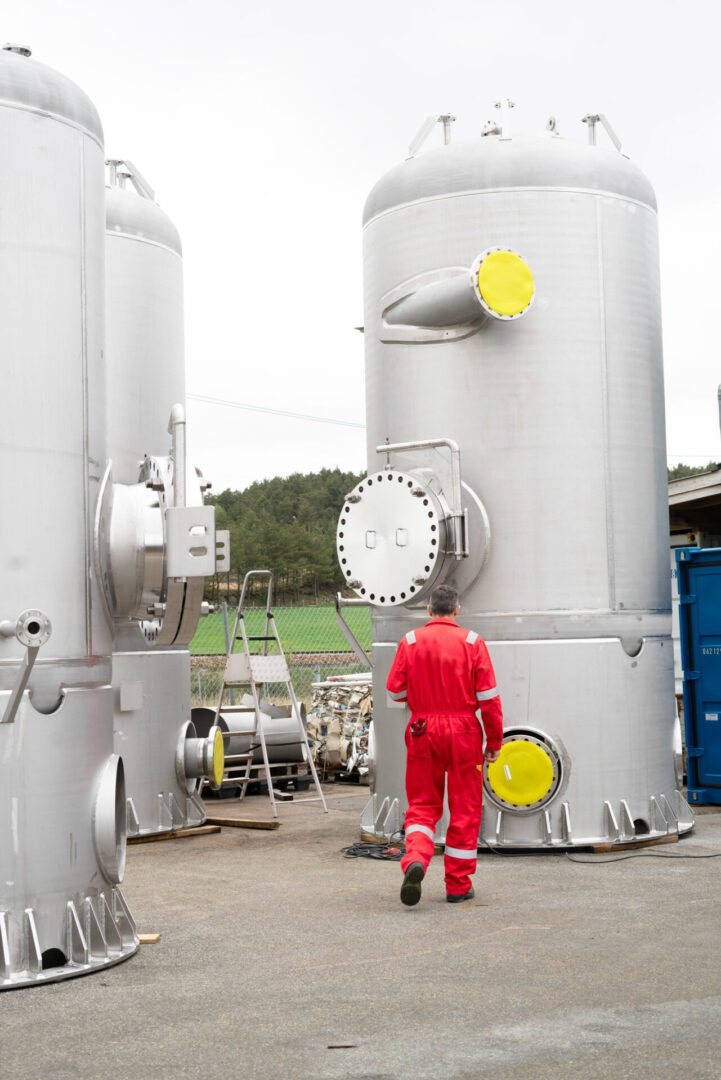
Used in petroleum casing, oil and gas line pipes, and pressure vessel components. The bars provide exceptional resistance to corrosive environments and high-pressure conditions typical in extraction and transportation operations.
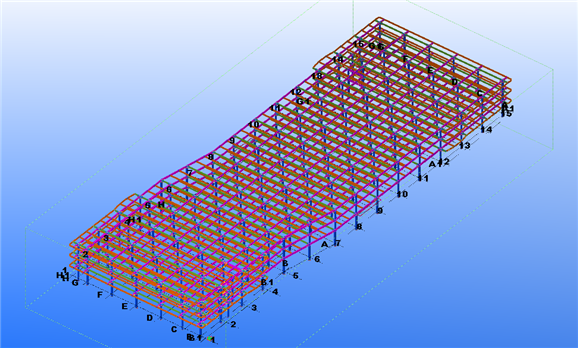
Essential for bridge construction, high-speed railway systems, and steel structure frameworks. The high tensile strength and fatigue resistance of alloy steel round bars ensure structural integrity under dynamic loads.
Deployed in high and low-pressure boiler components, electric equipment housings, and turbine shafts. Heat-resistant alloy grades maintain mechanical properties at elevated temperatures encountered in power plants.
Applied in chemical reactors, storage tanks, and pipeline networks where corrosion resistance is paramount. Chromium and nickel-containing alloys protect against aggressive chemical environments.
Before placing orders for alloy steel round bars, verify these critical criteria to minimize supply chain risks and ensure material suitability for your application.
Choosing the right supplier extends beyond competitive pricing. Evaluate potential partners based on manufacturing capability, quality assurance systems, and industry experience.
Prioritize suppliers with substantial production capacity. A facility with 200,000+ square meters and 600,000-ton annual output demonstrates ability to fulfill large orders consistently without compromising quality.
Verify supplier compliance with relevant international standards. Manufacturers meeting API, ASTM, ANSI, DIN, and JIS specifications offer broader applicability for global projects.
Suppliers offering comprehensive steel product lines—including seamless pipes, flanges, and special alloys—provide sourcing convenience and reduce vendor management complexity.
Assess supplier financial health through fixed asset valuation and operational history. Companies with 15+ years of operation and significant capital investment indicate long-term viability.
Experienced manufacturers provide valuable consultation on grade selection, heat treatment options, and application-specific recommendations that optimize material performance.
Export-oriented suppliers with established shipping partnerships ensure timely delivery and proper documentation for international transactions, reducing administrative burden.
Understanding frequent procurement challenges helps buyers avoid costly mistakes and establish more effective sourcing strategies.
Problem: Variations in alloying element percentages across batches lead to unpredictable mechanical properties and failed heat treatment results.
Solution: Require batch-specific chemical analysis reports and conduct incoming material verification testing before production use.
Problem: Diameter out-of-tolerance bars cause machining delays, tool wear acceleration, and assembly fitment issues in precision components.
Solution: Specify tight tolerance classes in purchase orders and implement random sampling inspection upon receipt.
Problem: Cracks, laps, and seams on bar surfaces propagate into finished components under stress, causing premature failure in service.
Solution: Request surface-finished bars for critical applications and perform visual or magnetic particle inspection on incoming stock.
Problem: Unreliable lead times disrupt production planning and create bottlenecks in downstream manufacturing workflows.
Solution: Partner with suppliers demonstrating proven track records and sufficient production capacity to absorb demand fluctuations.
The most widely specified grades include 4140 (chromium-molybdenum), 4340 (nickel-chromium-molybdenum), 8620 (nickel-chromium-molybdenum carburizing), and 5160 (high-carbon spring steel). Grade selection depends on required strength, toughness, hardenability, and intended application environment.
Black pickled bars retain their mill scale surface after acid pickling, suitable for applications where surface finish is not critical or additional machining will remove the layer. Ground bars have improved surface finish through grinding processes, reducing machining time and tool consumption for precision components.
Heat treatment fundamentally alters mechanical properties through controlled heating and cooling cycles. Annealing softens material for easier machining. Quenching and tempering increase hardness and tensile strength. Normalizing refines grain structure for uniform mechanical behavior. Always specify required heat treatment condition when ordering.
Request Mill Test Reports (MTR) certified to EN 10204 Type 3.1 or 3.2 for material traceability. For specialized applications, additional certifications such as NACE MR0175 (sour service), PED (Pressure Equipment Directive), or ABS/BV/DNV classification may be required. Verify all certificates match purchase order specifications.
Weldability varies significantly by grade. Low-carbon and low-alloy grades like 1018 weld readily without pre-heating. Higher carbon and alloy grades such as 4140 or 4340 typically require pre-heating (200-400°C) and post-weld heat treatment to prevent hydrogen cracking and restore mechanical properties in the heat-affected zone.
Minimum order quantities vary by supplier and product specification. Many manufacturers accept orders starting from one ton, though larger quantities achieve better unit pricing. Standard diameters and common grades generally have lower MOQ requirements than custom sizes or specialty alloys due to inventory availability.
Related Products List
Contact Us

Privacy statement: Your privacy is very important to Us. Our company promises not to disclose your personal information to any external company with out your explicit permission.
Fill in more information so that we can get in touch with you faster
Privacy statement: Your privacy is very important to Us. Our company promises not to disclose your personal information to any external company with out your explicit permission.