


Send Message
Privacy statement: Your privacy is very important to Us. Our company promises not to disclose your personal information to any external company with out your explicit permission.


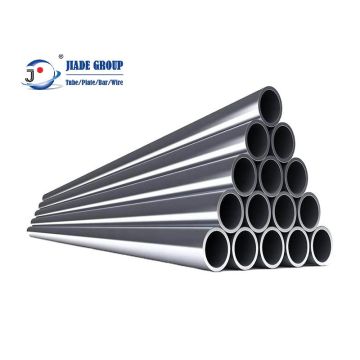


Welded steel pipe is a tubular product manufactured by rolling steel plate or coil into a cylindrical shape and welding the seam longitudinally or spirally. Unlike seamless pipes, which are formed from a solid billet, welded pipes offer superior cost-efficiency and dimensional consistency for large-diameter applications.
Common manufacturing processes include Electric Resistance Welding (ERW), Submerged Arc Welding (SAW) (both LSAW and SSAW), and High-Frequency Welding (HFW). These methods allow for precise control over wall thickness and diameter, making them ideal for high-volume infrastructure projects.
Key advantages for procurement include:
Sourcing reliable welded steel pipe requires a supplier with robust manufacturing infrastructure and rigorous quality control. Shaanxi Jiade Group Co., Ltd. operates a modern factory covering 200,000 square meters, ensuring stable supply chains and consistent output.
Our welded steel pipes meet international benchmarks, reducing compliance risks in global tenders.
We utilize specialized equipment to produce various welded configurations:
Selecting the correct supplier for welded steel pipe involves evaluating technical capabilities, material versatility, and logistical reliability. Buyers should prioritize partners who can handle complex specifications without compromising on delivery timelines.
Ensure your supplier can source and process the specific grade required for your project. Jiade Group specializes in Carbon Steel, Special Steel, Alloy Steel, and Stainless Steel materials, providing flexibility for diverse environments.
Large-scale infrastructure projects demand bulk capacity. A supplier with an annual output of 600,000 tons can support massive orders without bottlenecking your supply chain.
Look beyond basic ISO. Verify if the manufacturer holds API 5L certification and can provide mill test certificates (MTC) tracing back to raw material batches.
Use this checklist to evaluate potential suppliers and mitigate procurement risks when sourcing welded steel pipe.
Welded steel pipe is a critical component in heavy industry and infrastructure. Its versatility allows it to serve as the backbone for energy, construction, and municipal projects worldwide.
Used extensively for petroleum casing, oil and gas line pipes, and high-pressure boiler tubes. The spiral (SSAW) and straight seam (LSAW/ERW) variants are standard for transmission pipelines.
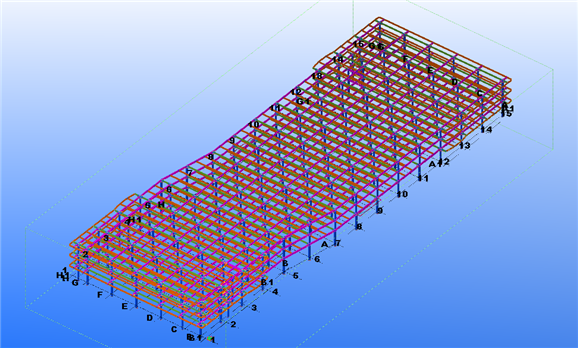
Essential for bridge pilings, high-speed railway supports, and exhibition center buildings. Square and rectangular steel pipes are preferred for steel structure frameworks due to their aesthetic and load-bearing properties.
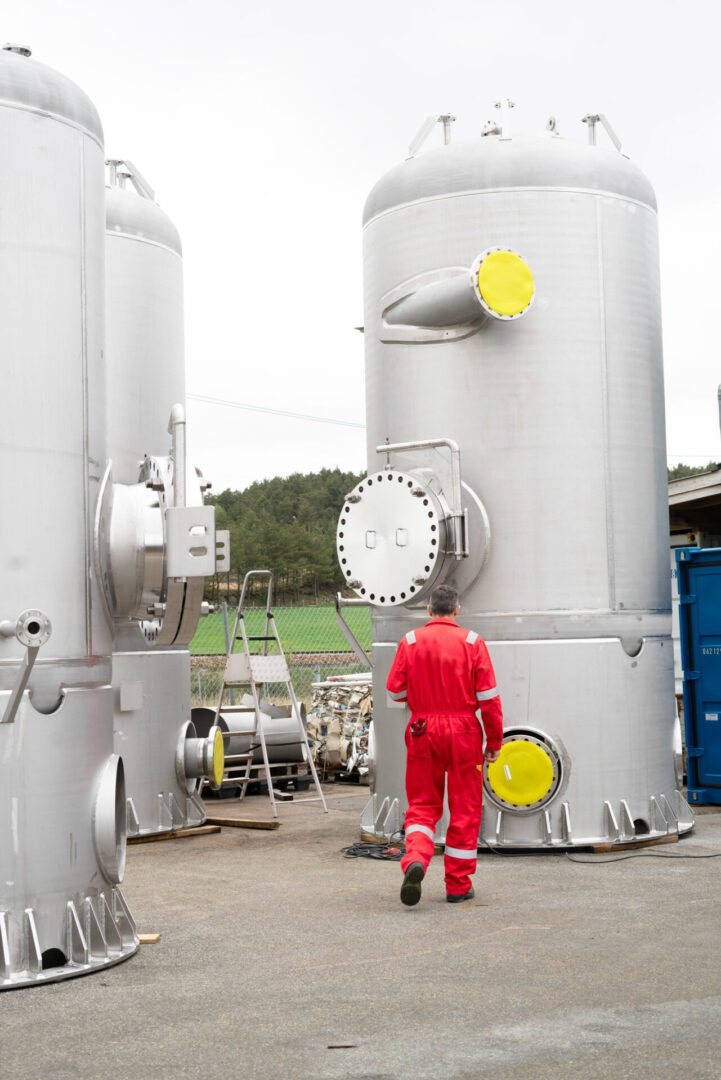
Special alloy and stainless steel welded pipes resist corrosive chemicals and ensure purity in water treatment projects and chemical processing vessels.
Procuring welded steel pipe often presents specific challenges related to quality verification and logistics. Understanding these common pitfalls helps buyers negotiate better terms and avoid delays.
Welded pipes, especially ERW types, can suffer from thickness variations if the rolling process is not tightly controlled. This leads to pressure rating failures.Solution: Specify strict tolerance bands (e.g., ±10%) in the contract and request ultrasonic thickness testing reports before shipment.
The weld seam is the weakest point in welded pipe. Poor welding parameters can cause cracks or lack of fusion, leading to leaks in fluid transport.Solution: Require IPE (Internal Pipe End) and OPE (Outer Pipe End) grinding and visual inspection. For critical services, mandate X-ray or UT (Ultrasonic) testing of the weld zone.
Carbon steel pipes are prone to rust when exposed to salt spray during ocean freight, especially if packaging is compromised.Solution: Ensure suppliers use waterproof wrapping and desiccants. Consider galvanized or coated pipes for harsh environments, or specify VCI (Volatile Corrosion Inhibitor) packaging.
Ovality or out-of-roundness in large-diameter pipes can cause fitting issues during installation.Solution: Define maximum ovality limits (typically 1% of diameter) in the purchase order and require caliper measurements at both ends and the middle of the pipe.
For buyers seeking a vertically integrated manufacturer with proven scale and compliance, Shaanxi Jiade Group Co., Ltd. stands out as a strategic partner.
Answers to common technical and commercial questions regarding welded steel pipe procurement.
ERW (Electric Resistance Welding): Uses high-frequency current to heat the edges of the steel strip before pressing them together. It is cost-effective for smaller diameters and thinner walls.
LSAW (Longitudinal Submerged Arc Welding): Uses an arc weld along the longitudinal axis. It is stronger and used for larger diameters and thicker walls, typically for high-pressure transmission.
Yes. While carbon steel is common, manufacturers like Jiade Group also produce welded pipes using stainless steel, alloy steel, and special steel materials. These are essential for corrosive environments and high-temperature applications.
Major standards include API 5L (for pipeline transportation), ASTM A53/A135 (general purpose), and GB/T 9711 (Chinese standard for petroleum natural gas pipeline transportation). Compliance depends on the specific application and regional regulations.
Welded pipes are generally more economical than seamless pipes because they are produced from flat steel stock (plate/coil) rather than solid billets. This results in less material waste and faster production cycles, offering significant savings for large-volume projects.
Related Products List
Contact Us

Privacy statement: Your privacy is very important to Us. Our company promises not to disclose your personal information to any external company with out your explicit permission.
Fill in more information so that we can get in touch with you faster
Privacy statement: Your privacy is very important to Us. Our company promises not to disclose your personal information to any external company with out your explicit permission.