


Send Message
Privacy statement: Your privacy is very important to Us. Our company promises not to disclose your personal information to any external company with out your explicit permission.



316 stainless steel plate is a premium-grade flat-rolled product defined by its enhanced corrosion resistance and high-temperature strength, making it the preferred material for demanding industrial applications.
Also known as marine-grade stainless steel, this alloy belongs to the austenitic family of metals. It contains approximately 16-18% chromium, 10-14% nickel, and a critical addition of 2-3% molybdenum. This specific chemical composition provides superior resistance to pitting, crevice corrosion, and chloride attack compared to standard 304 stainless steel plates.
For procurement professionals sourcing raw materials, understanding what makes 316 stainless steel plate distinct is essential. The presence of molybdenum fundamentally changes the material's behavior in aggressive environments, extending asset life and reducing total cost of ownership for projects involving chemical processing, offshore platforms, or pharmaceutical manufacturing.
When evaluating 316 stainless steel plate suppliers, buyers must prioritize technical performance alongside supply chain reliability. Shaanxi Jiade Group Co., Ltd has been manufacturing and exporting high-quality steel products since 2005, serving global markets with a modern 200,000 square meter factory.
Our annual output capacity reaches up to 600,000 tons, ensuring that large-scale orders are fulfilled on time without compromising quality. With over 400 employees and fixed assets valued at 120 million USD, we maintain the production scale necessary to support major infrastructure, energy, and industrial projects worldwide.
The key advantages of sourcing 316 stainless steel plate from an established manufacturer include consistent chemical composition verification, adherence to international standards such as ASTM, ASME, DIN, and JIS, and comprehensive documentation including Mill Test Certificates (MTC) for every batch delivered.
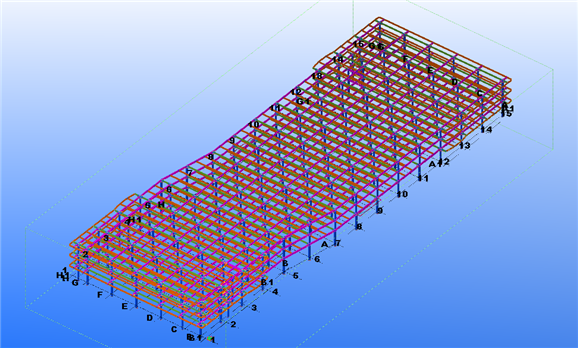
Every 316 stainless steel plate produced under our quality management system undergoes rigorous testing at multiple stages — from raw material inspection through hot rolling, cold rolling, heat treatment, surface finishing, and final dispatch. This end-to-end control ensures compliance with buyer specifications and international codes.
Our quality assurance framework covers full chemical analysis via spectrometry, mechanical property testing including tensile strength, yield strength, and elongation measurements, non-destructive examination methods such as ultrasonic testing (UT), eddy current testing (ECT), and hydrostatic pressure tests where applicable. Surface finish options include 2B, BA, No.1, No.3, No.4, and custom mirror finishes tailored to application requirements.
Compliance with ASTM A240, ASTM A480, EN 10088, GB/T 3280, and other relevant standards guarantees that each hot rolled 316 stainless steel plate meets dimensional tolerances, surface quality expectations, and mechanical performance criteria specified in purchase orders.
Selecting the correct supplier for 316 stainless steel plate wholesale requires careful evaluation beyond price comparison. Buyers should assess manufacturing capability, certification status, lead time consistency, logistics network, and after-sales support to minimize procurement risk.
Verify that your supplier operates an owned factory rather than trading-only operations. An in-house production facility like ours — spanning 200,000 square meters with 600,000 tons annual capacity — provides direct control over production scheduling, quality parameters, and delivery timelines. This eliminates the delays and communication gaps common with intermediary traders.
Ensure your supplier can issue complete documentation packages including Material Test Certificates (MTC) traceable to heat numbers, mill certificates confirming chemical composition and mechanical properties, and export certifications required by destination country regulations. All products should comply with recognized standards such as ASTM, ANSI, DIN, JIS, and GB.
A supplier offering a broad range of metal products — including stainless steel, carbon steel, alloy steel, copper materials, steel tubes, flanges, and special steels — enables you to consolidate purchasing across multiple categories. This simplifies procurement workflows, reduces administrative overhead, and strengthens negotiating leverage through volume-based pricing.
International shipping of heavy steel products demands experienced logistics coordination. Your supplier should have established relationships with freight forwarders, knowledge of container loading optimization, and experience handling customs clearance procedures to ensure timely delivery to ports worldwide.
Use this checklist when evaluating potential sources for 316 stainless steel plate procurement. Each item addresses a critical factor that impacts project success, budget accuracy, and supply chain resilience.
Confirm that supplied plates meet the exact Cr, Ni, Mo, C, Mn, Si limits per ASTM A240/A480. Request spectrometer reports with every shipment.
Verify thickness tolerance falls within ASTM A480 allowable deviations. Check flatness, edge condition, and surface finish against project drawings.
Ensure tensile, yield strength, and elongation values are verified through independent laboratory testing. MTC must reference specific test coupons.
Inspect surface conditions for scratches, roll marks, oxide scale, or discoloration. Specify required finish (2B, BA, No.1, etc.) in purchase order.
Confirm solution annealing was performed at correct temperature range (1010-1150°C) followed by rapid cooling. Documented heat treatment is mandatory.
Plates must be properly crated, strapped, and protected against moisture, transit damage, and surface contamination during ocean freight.
The versatility of 316 stainless steel plate applications spans industries where corrosion resistance, hygiene, and structural integrity are non-negotiable. Below are the primary sectors where this material delivers measurable value.
Used in reactor vessels, heat exchangers, storage tanks, and piping systems handling corrosive acids, alkalis, and chlorides. The molybdenum content prevents localized corrosion in aggressive process streams.
Ideal for shipbuilding, offshore platform construction, desalination plants, and coastal infrastructure exposed to saltwater environments. Superior chloride resistance extends service life significantly.
Meets sanitary requirements for FDA-compliant equipment, bioreactors, fermentation tanks, and food processing lines where cleanliness and non-reactivity are critical.
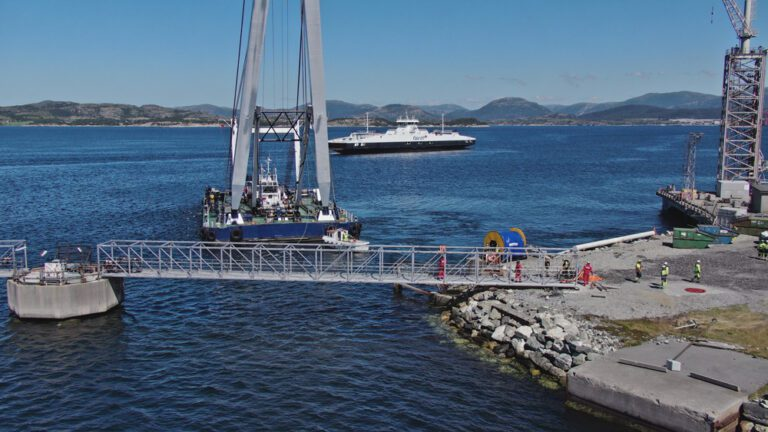
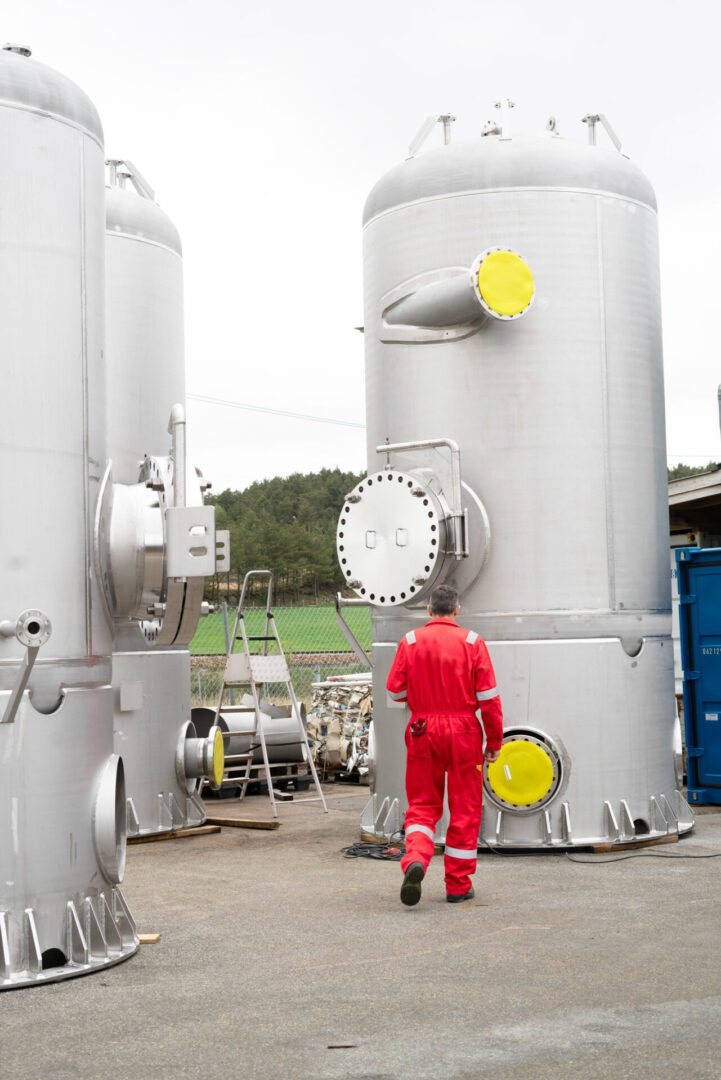
When building a qualified supplier shortlist for 316 stainless steel plate sourcing, consider these recommendations based on industry best practices and proven procurement strategies.
Direct engagement with manufacturing facilities like Shaanxi Jiade Group ensures transparent pricing, accurate lead times, and direct accountability for product quality. Trading companies add markup layers and introduce communication friction that can delay critical shipments.
Always obtain physical samples for metallurgical verification before committing to large-volume purchases. Evaluate surface quality, dimensional accuracy, and material markings against your specification sheets.
Lock in pricing and allocation through annual framework agreements. Established manufacturers with significant production capacity can guarantee priority scheduling and competitive pricing for recurring orders.
Maintain relationships with at least two qualified suppliers to mitigate supply chain disruption risk. However, avoid spreading orders too thinly — consolidated volumes with reliable partners yield better commercial terms.
The primary difference lies in the molybdenum content. 316 stainless steel plate contains 2-3% molybdenum, while 304 does not. This addition gives 316 significantly better resistance to chloride-induced pitting and crevice corrosion, making it suitable for marine, chemical, and pharmaceutical applications where 304 would degrade prematurely. Both grades share similar chromium and nickel content, but the molybdenum in 316 commands a higher price point due to enhanced performance characteristics.
ASTM A480 specifies allowable thickness variations for 316 stainless steel plate based on nominal thickness ranges. For plates up to 3/16 inch thick, the tolerance is typically ±0.016 inch. For thicker sections, tolerances increase proportionally. Buyers should specify their required tolerance class in purchase orders to ensure the supplier delivers material meeting project-specific dimensional requirements.
Yes, 316 stainless steel plate welds readily using standard techniques including TIG, MIG, and shielded metal arc welding. The molybdenum content actually improves resistance to intergranular corrosion compared to 304. For optimal results, use ER316 filler metal, maintain proper interpass temperatures below 150°F, and perform solution annealing post-weld to restore corrosion resistance in the heat-affected zone.
Continuous service temperature for 316 stainless steel plate ranges up to 870°C (1600°F) in oxidizing environments and up to 925°C (1700°F) intermittently. In reducing or corrosive atmospheres, the maximum recommended temperature drops to approximately 500°C (932°F). Above these thresholds, creep strength diminishes and oxidation rates increase, so buyers should consult material data sheets for specific high-temperature application guidance.
As a manufacturer founded in 2005 with a 200,000 square meter facility and 600,000-ton annual capacity, we implement comprehensive quality controls including incoming material spectrometry, in-process mechanical testing, final surface inspection, and third-party verification upon request. Every shipment includes full documentation: Mill Test Certificates, heat number traceability, compliance statements, and export packing lists. Our experience supplying diverse industries — from petroleum casing to water treatment projects — demonstrates our ability to meet international standards consistently.
We use seaworthy packaging including wooden crating, steel strapping, waterproof wrapping, and desiccant placement to prevent moisture damage during transoceanic transport. Plates are stacked with protective interleaving paper or plastic film to prevent surface scratching. Each bundle is clearly labeled with heat numbers, dimensions, grade designation, and handling instructions to ensure safe unloading and storage at destination ports.
Related Products List
Contact Us

Privacy statement: Your privacy is very important to Us. Our company promises not to disclose your personal information to any external company with out your explicit permission.
Fill in more information so that we can get in touch with you faster
Privacy statement: Your privacy is very important to Us. Our company promises not to disclose your personal information to any external company with out your explicit permission.