


Send Message
Privacy statement: Your privacy is very important to Us. Our company promises not to disclose your personal information to any external company with out your explicit permission.


Shaanxi Jiade Group Co., Ltd has been a trusted manufacturer and exporter of high-grade austenitic stainless steel since 2005. Our extensive inventory and production capabilities ensure that your projects receive materials that meet rigorous international standards, including ASTM, ANSI, DIN, and JIS.
With an annual output capacity of up to 600,000 tons across our 200,000 square meter facility, we provide scalable supply solutions for large-scale industrial procurement. Our austenitic grades, such as the popular 304 and 316 series, offer exceptional corrosion resistance, formability, and weldability, making them ideal for demanding environments in chemical processing, construction, and energy sectors.
Our commitment to quality is embedded in every stage of the austenitic stainless steel production process. Utilizing advanced metallurgical techniques, we ensure consistent microstructure and mechanical properties across all batches.
Why this matters for you: Consistent quality reduces the risk of material failure in your final product, minimizing warranty claims and protecting your brand reputation. Our strict adherence to API 5L PSL1/PSL2 and GB standards ensures that every ton of steel delivered meets your exact specifications.
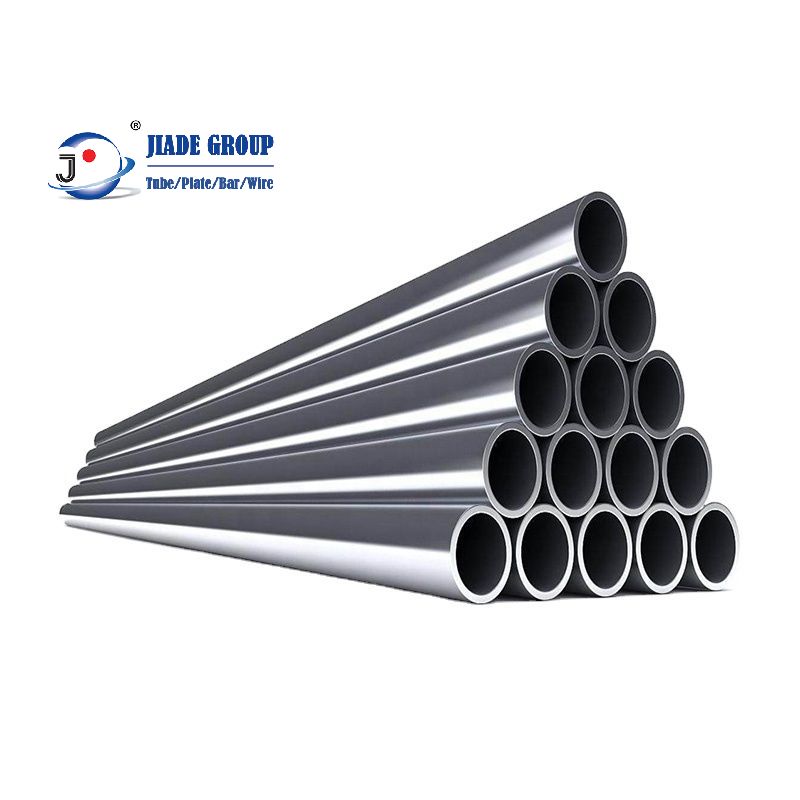
Selecting the correct grade of austenitic stainless steel is critical for ensuring longevity and performance. The choice depends heavily on the operating environment, specifically exposure to chlorides, acids, and high temperatures.
Key Selection Factors:
Corrosion Resistance: For harsh marine or chemical environments, 316/L grade with molybdenum addition is recommended over standard 304. This selection prevents costly premature replacements.
Mechanical Properties: Consider yield strength and tensile requirements. If higher strength is needed without sacrificing corrosion resistance, look into precipitation-hardening variants or cold-worked finishes.
Formability & Weldability: Most austenitic grades offer excellent fabricability. Ensure the chosen grade aligns with your downstream manufacturing processes to avoid cracking or distortion during welding.
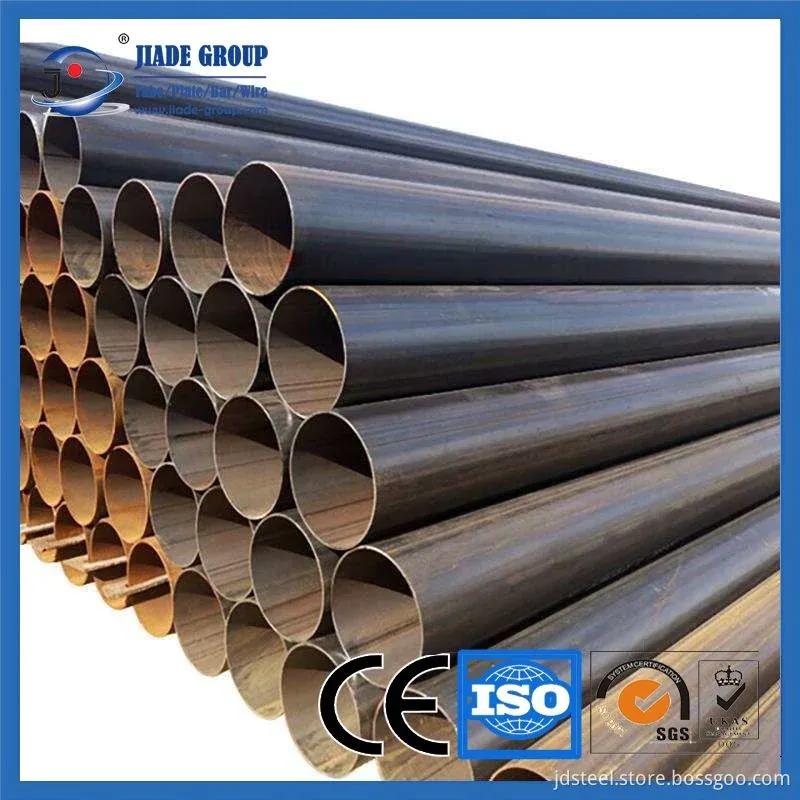
High-pressure seamless pipes and line pipes made from austenitic stainless steel are essential for transporting corrosive fluids. Our products comply with API 5L standards, ensuring leak-proof integrity in challenging offshore and onshore environments.
Reactors, tanks, and heat exchangers require materials that withstand aggressive acids and alkalis. Austenitic grades like 316L provide superior resistance to pitting and crevice corrosion, extending equipment lifespan significantly.
From structural components in bridges to cladding in exhibition centers, austenitic stainless steel offers aesthetic appeal combined with durability. Its fire resistance and low maintenance requirements make it a cost-effective choice for long-term infrastructure.
Piping systems in water treatment plants must resist both internal fluid corrosion and external atmospheric conditions. Our galvanized and stainless steel solutions ensure safe, contamination-free water transport.
Why Recommend: With nearly two decades of experience, Jiade Group offers a comprehensive range of steel products, including specialized austenitic stainless steel pipes and tubes. Their large-scale factory ensures volume availability.
Key Strengths: 200,000 sqm facility, 600,000 tons annual capacity, multi-standard compliance (API, ASTM, DIN).
Why Recommend: Look for suppliers who control the entire production chain from raw material melting to finished product processing. This integration allows for better quality control and competitive pricing.
Key Strengths: Consistent quality, reduced lead times, lower landed costs.
Why Recommend: Suppliers with strong export infrastructure can handle complex logistics, documentation, and customs clearance efficiently, simplifying your procurement workflow.
Key Strengths: Reliable shipping schedules, accurate documentation, global network.
Buyers often face issues where materials labeled as 304 fail prematurely in chloride-rich environments because they were actually 302 or lower-grade substitutes. This leads to unexpected downtime and repair costs. Always verify molybdenum content for marine applications.
Austenitic stainless steel surfaces are prone to scratching if not properly protected during shipping. Damaged aesthetics can affect final product appearance, especially in architectural applications. Ensure suppliers use adequate protective film and packing materials.
Small or fragmented suppliers may struggle with large orders, causing project delays. Partnering with high-capacity manufacturers like Jiade Group, with 600,000 tons annual output, mitigates this risk by ensuring steady supply even during peak demand periods.
Incomplete Mill Test Certificates or incorrect origin declarations can hold up shipments at borders. Reputable exporters provide comprehensive, standardized documentation that aligns with international trade requirements, preventing costly storage fees and delays.
The primary difference is the addition of molybdenum in 316 grade, which significantly enhances resistance to pitting and crevice corrosion, especially in chloride environments like seawater. 304 is suitable for general atmospheric and mild chemical exposure, while 316 is preferred for harsher industrial and marine settings.
Yes, austenitic grades are known for excellent weldability. They generally do not require preheating or post-weld heat treatment for most applications. However, proper filler metal selection and welding techniques are crucial to maintain corrosion resistance in the heat-affected zone.
Our austenitic stainless steel products comply with major international standards including ASTM (American Society for Testing and Materials), ANSI (American National Standards Institute), DIN (Deutsches Institut für Normung), and JIS (Japanese Industrial Standards). We also adhere to API 5L PSL1/PSL2 for line pipes.
While specific MOQs can vary based on product type and customization requirements, our large-scale production capability allows us to accommodate both standard and custom orders efficiently. Contact our sales team for detailed quotation and ordering terms tailored to your project needs.
Related Products List
Contact Us

Privacy statement: Your privacy is very important to Us. Our company promises not to disclose your personal information to any external company with out your explicit permission.
Fill in more information so that we can get in touch with you faster
Privacy statement: Your privacy is very important to Us. Our company promises not to disclose your personal information to any external company with out your explicit permission.