


Send Message
Privacy statement: Your privacy is very important to Us. Our company promises not to disclose your personal information to any external company with out your explicit permission.



The strongest titanium alloy is a high-performance metallic material engineered to deliver exceptional tensile strength and yield strength while maintaining an outstanding strength-to-weight ratio. Unlike standard grades of titanium or heavier metals like steel, these specialized alloys are designed for applications where structural integrity under extreme stress is critical.
Typically based on the Ti-6Al-4V (Grade 5) composition or advanced beta-titanium formulations, the strongest titanium alloy offers superior resistance to deformation, fatigue, and corrosion. This makes it the preferred choice for aerospace components, high-pressure hydraulic systems, and deep-sea engineering projects. Procurement professionals seek these alloys to reduce component weight without compromising safety margins, ultimately lowering fuel consumption and extending service life in demanding environments.
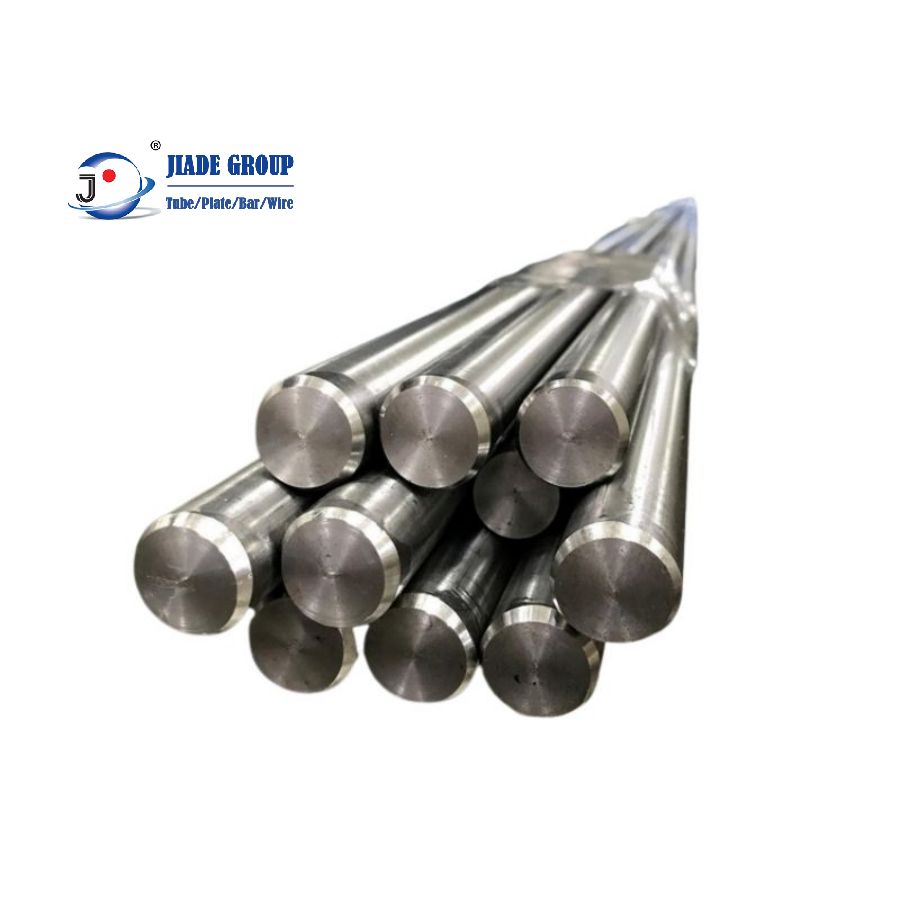
Producing the strongest titanium alloy requires precision metallurgy and rigorous quality control protocols to ensure consistent mechanical properties across every batch. Shaanxi Jiade Group Co., Ltd leverages over 15 years of manufacturing expertise to deliver materials that meet stringent international standards, including ASTM, AMS, and ISO specifications.
Our production process involves vacuum arc remelting (VAR) and electroslag remelting (ESR) techniques to eliminate impurities and achieve uniform grain structure. This meticulous approach ensures that the final product delivers reliable performance in critical applications such as jet engine components, landing gear, and fasteners. Buyers benefit from this level of quality assurance through reduced risk of part failure, simplified supply chain validation, and compliance with global aerospace and defense regulations.
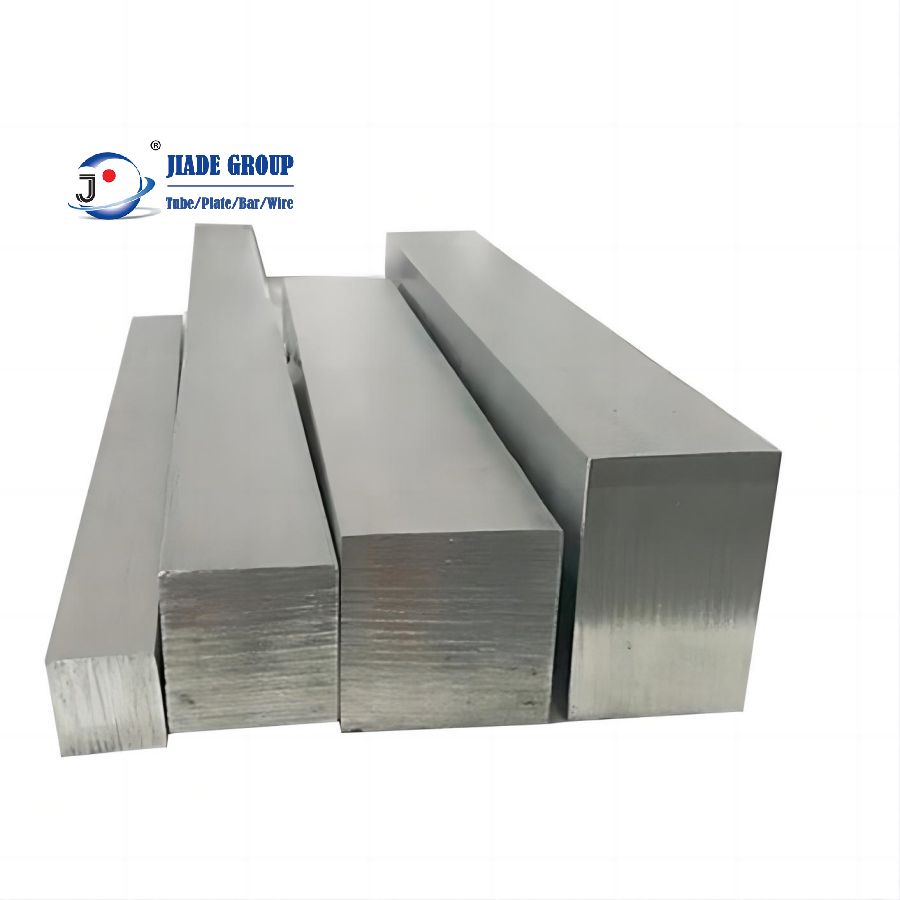
Selecting the optimal grade of strongest titanium alloy for your procurement needs requires balancing mechanical requirements, environmental conditions, and cost-efficiency. With numerous alloy compositions available, buyers must evaluate specific criteria to ensure the material meets their application's demands without overspending on unnecessary properties.
Determine the required tensile strength, yield strength, and elongation percentages based on your load-bearing calculations. For high-stress aerospace structures, look for beta-titanium alloys or aged Ti-6Al-4V variants that offer higher strength thresholds. Ensure the supplier provides mill test reports certifying these values match your specification sheets.
Evaluate the operating environment for exposure to chlorides, acids, or extreme temperatures. While all titanium alloys offer excellent corrosion resistance, certain grades perform better in reducing acids or at elevated temperatures above 400°C. Matching the alloy chemistry to your specific chemical exposure profile prevents premature degradation and costly replacements.
Higher strength often correlates with reduced formability. Assess whether your manufacturing processes require bending, welding, or CNC machining. Some ultra-high-strength titanium alloys may require specialized tooling or heat treatment after forming. Consult with your fabrication team early to select an alloy that balances strength with manufacturability.
In regulated industries like aerospace and medical devices, full material traceability is non-negotiable. Source from suppliers who provide comprehensive documentation, including heat treatment records, chemical composition analysis, and non-destructive testing results. This ensures compliance with industry standards and simplifies your quality audit processes.
Use this comprehensive checklist to streamline your sourcing process and mitigate risks when purchasing the strongest titanium alloy. Each item addresses a critical decision point that impacts total landed cost, project timelines, and final product reliability.
Procuring high-grade titanium alloys presents unique challenges that can impact project timelines and budgets. Understanding these common pitfalls allows buyers to implement preventive measures and maintain supply chain stability.
Identifying a reliable supplier for the strongest titanium alloy is crucial for maintaining production continuity and product quality. Evaluate potential partners based on manufacturing capability, quality systems, and industry reputation.
With over 15 years of experience since 2005, Jiade Group operates a modern 200,000 square meter facility with an annual output capacity of 600,000 tons. Their extensive product range includes special steel and alloy materials compliant with API, ASTM, ANSI, DIN, and JIS standards. Ideal for buyers seeking scalable supply chains with established quality infrastructure.
Look for suppliers with dedicated titanium production lines and vacuum melting capabilities. These specialists typically offer broader alloy selections and advanced heat treatment services. Prioritize vendors with documented track records in aerospace or medical device sectors for highest reliability.
For buyers requiring consolidated logistics or smaller MOQs, reputable trading companies with direct mill relationships can provide flexibility. Ensure they maintain transparent traceability documentation and offer technical support for alloy selection and specification verification.
Addressing common procurement questions helps streamline the purchasing process and ensures informed decision-making when sourcing high-strength titanium materials.
The strongest commercially available titanium alloys are typically beta-titanium alloys and modified Ti-6Al-4V (Grade 5) variants. Beta alloys such as Ti-10V-2Fe-3Al or Ti-15V-3Cr-3Sn-3Al can achieve tensile strengths exceeding 1,500 MPa after aging treatment. For most industrial applications, Grade 5 titanium offers an optimal balance of strength, ductility, and weldability.
While some high-strength titanium alloys exceed the tensile strength of many carbon steels, their primary advantage lies in the strength-to-weight ratio. Titanium alloys weigh approximately 45% less than steel while delivering comparable or superior strength. This makes them ideal for weight-sensitive applications where reducing mass directly improves efficiency, such as in aerospace and automotive racing.
Yes, but proper technique is essential. Ti-6Al-4V and similar alloys can be welded using Tungsten Inert Gas (TIG) or Electron Beam Welding (EBW) in controlled atmospheres. Post-weld heat treatment may be required to restore strength in the heat-affected zone. Always consult welding procedure specifications (WPS) developed by the material supplier to ensure joint integrity.
Request Mill Test Reports (MTR) or Certificate of Compliance (CoC) that verify chemical composition and mechanical properties. For aerospace and defense applications, look for AS9100 certification and compliance with AMS (Aerospace Material Specifications). Medical device buyers should verify ISO 13485 compliance and biocompatibility testing documentation.
Standard grades like Ti-6Al-4V in common forms (sheet, plate, bar) typically have lead times of 4-8 weeks from major suppliers. Custom alloys, specialized heat treatments, or large volume orders may extend lead times to 12-16 weeks. Exotic beta-titanium alloys may require longer scheduling windows depending on mill capacity and raw material availability.
Most titanium alloys maintain excellent mechanical properties up to approximately 400-450°C (750-850°F). Beyond this temperature range, titanium alloys begin to lose strength and become susceptible to oxidation. For applications exceeding these temperatures, consider nickel-based superalloys or ceramic materials instead. Some specialized titanium aluminide compounds can operate at slightly higher temperatures.
Related Products List
Contact Us

Privacy statement: Your privacy is very important to Us. Our company promises not to disclose your personal information to any external company with out your explicit permission.
Fill in more information so that we can get in touch with you faster
Privacy statement: Your privacy is very important to Us. Our company promises not to disclose your personal information to any external company with out your explicit permission.