


Send Message
Privacy statement: Your privacy is very important to Us. Our company promises not to disclose your personal information to any external company with out your explicit permission.



Nickel alloy pipe is a specialized tubular product engineered with high concentrations of nickel—typically combined with chromium, molybdenum, iron, and other elements—to deliver exceptional resistance to corrosion, extreme temperatures, and mechanical stress. Unlike standard carbon steel or even basic stainless steel piping, nickel alloy pipes maintain structural integrity in the most hostile environments, making them indispensable for industries where failure is not an option.
For procurement teams sourcing materials for chemical processing, oil and gas extraction, power generation, or marine applications, choosing the right nickel alloy pipe directly impacts system longevity, maintenance costs, and operational safety. Understanding the distinctions between alloy grades such as Inconel, Monel, Hastelloy, and UNS N06600 allows buyers to specify exactly what their project requires—and avoid costly over-engineering or under-specification.
Shaanxi Jiade Group Co., Ltd. brings over 19 years of manufacturing expertise to the supply of premium steel and specialty alloy products. With a 200,000-square-meter facility, an annual output capacity of 600,000 tons, and compliance with API 5L PSL1/PSL2, GB, ASTM, ANSI, DIN, and JIS standards, we are positioned to support your nickel alloy pipe requirements with verified quality and scalable production.
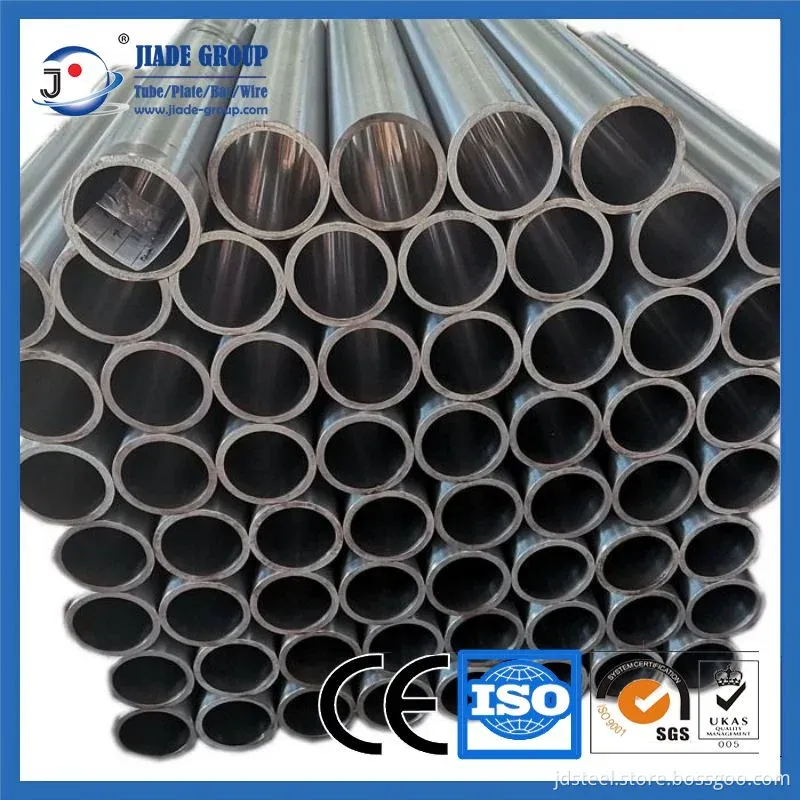
Consistent quality is the foundation of reliable procurement. Every batch of nickel alloy pipe produced by Shaanxi Jiade Group undergoes rigorous inspection protocols aligned with international standards, ensuring that material composition, dimensional tolerances, and mechanical properties meet or exceed specification requirements.
Each heat lot is chemically analyzed to confirm nickel, chromium, molybdenum, and trace element percentages fall within specified ranges for grades including UNS N06600, Inconel, Monel, and Hastelloy variants.
Outer diameter, wall thickness, straightness, and length are measured against ASTM and ISO tolerances. Tensile strength, yield strength, and elongation tests verify mechanical performance for each production run.
Visual inspection, eddy current testing, and hydrostatic pressure checks ensure every pipe meets surface quality requirements and pressure containment standards before shipment.
Selecting the correct nickel alloy pipe grade is a critical procurement decision that affects both performance and total cost of ownership. The wrong grade can lead to premature corrosion failure, while over-specifying can unnecessarily inflate your material budget. Here is how to approach the selection process systematically.
Begin by defining the corrosive agents, temperature range, pressure levels, and fluid media your piping system will encounter. Environments involving chlorides, sulfuric acid, caustic solutions, or high-temperature oxidation demand different alloy characteristics.
UNS N06600 (Inconel 600) excels in high-temperature oxidation and carburization resistance, making it ideal for heat treatment furnaces and chemical processing reactors. Inconel 625 (UNS N06625) offers superior pitting and crevice corrosion resistance due to its molybdenum and niobium content, suitable for seawater and acidic environments. Monel 400 (UNS N04400) provides excellent resistance to hydrofluoric acid and alkaline solutions, often selected for marine and fluorination applications.
Ensure the supplier can provide mill test certificates (MTC) aligned with ASTM B163, ASTM B622, or ASME SB163 depending on whether you require seamless or welded pipe. Confirm that dimensions, tolerances, and testing protocols match your project specifications.
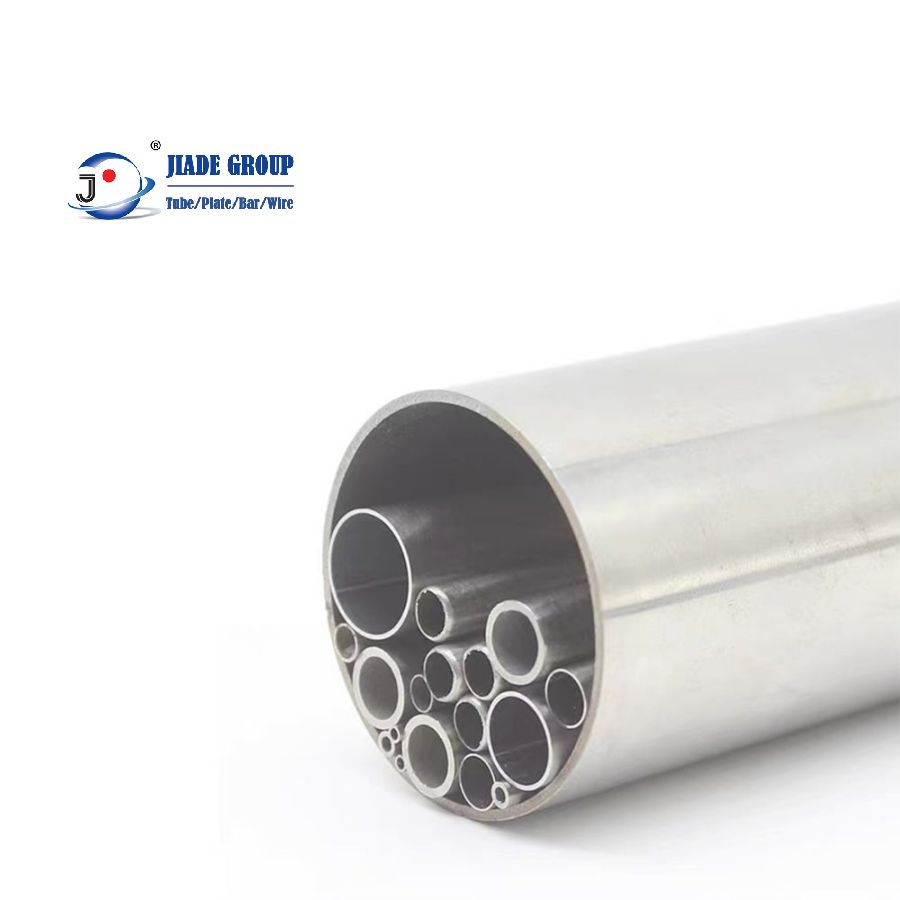
Use this checklist during your supplier evaluation process to ensure every critical factor is addressed before placing an order. Each item represents a common point of failure in procurement when overlooked.
Verify that the supplied pipe matches the exact UNS number or trade name specified in your engineering drawings. Request a material certification report from an accredited laboratory.
Confirm outer diameter, wall thickness, and length tolerances comply with ASTM B163 (seamless) or ASTM B716 (welded) specifications. Tight tolerances may be required for precision fitting applications.
Require EN 10204 Type 3.1 or 3.2 Mill Test Certificates documenting chemical composition, mechanical properties, and non-destructive test results for each heat lot.
Assess whether the supplier's annual output capacity and current order backlog can accommodate your delivery timeline without compromising quality or scheduling.
Nickel alloy surfaces are susceptible to contamination and mechanical damage during transit. Verify that end caps, protective wrapping, and crate construction prevent scratching and corrosion during ocean freight.
Clarify production lead time, pre-production sample availability, and Incoterms. A clear understanding prevents schedule disruptions and unexpected demurrage charges at destination ports.
Procuring nickel alloy pipe presents unique challenges that many first-time buyers encounter. Understanding these common pitfalls helps you mitigate risk and build stronger supplier relationships.
Nickel alloys use multiple naming conventions—UNS numbers, trade names (Inconel, Monel, Hastelloy), and Chinese GB designations—which can lead to ordering errors. Always cross-reference the UNS number with your specification sheet and require the supplier to confirm the exact grade in writing before production begins.
Some suppliers deliver pipe that falls outside ASTM tolerance bands for wall thickness or outer diameter. This is particularly problematic when fittings and flanges must mate precisely. Request third-party inspection reports or arrange pre-shipment inspections at the factory to catch dimensional issues before goods leave the port.
Receiving pipe without proper EN 10204 certificates forces projects into compliance limbo. Reputable manufacturers like Shaanxi Jiade Group issue full documentation packages with every shipment, eliminating delays in quality audits and regulatory approvals.
Nickel alloy surfaces can become contaminated with iron particles from handling equipment or shipping containers, leading to localized corrosion upon exposure to service environments. Ensure your supplier uses dedicated handling tools, protective end caps, and clean packaging materials throughout the logistics chain.
The lowest unit price does not always represent the best value. Consider factors such as dimensional accuracy (which reduces fabrication waste), certification completeness (which avoids re-inspection costs), and delivery reliability (which prevents project delays). Evaluate suppliers based on total cost of ownership rather than purchase price alone.
Nickel alloy pipe is deployed across industries where conventional materials fail under demanding conditions. Understanding these applications helps procurement teams justify material selection and communicate technical requirements to engineering stakeholders.
Seamless nickel alloy pipe handles sour gas environments containing H₂S and CO₂, offshore riser systems, and downhole tubing where chloride stress corrosion cracking threatens pipeline integrity.
Piping networks transporting sulfuric acid, phosphoric acid, caustic soda, and organic solvents rely on nickel alloys for their unmatched chemical resistance and long-term durability.
Supercritical and ultra-supercritical boiler tubes, superheater/reheater headers, and nuclear auxiliary systems utilize nickel alloy pipe for high-temperature creep resistance and steam-side oxidation protection.
Desalination plants, seawater cooling systems, and subsea infrastructure depend on Monel and duplex nickel-copper alloys to resist seawater corrosion and biofouling over decades of continuous operation.
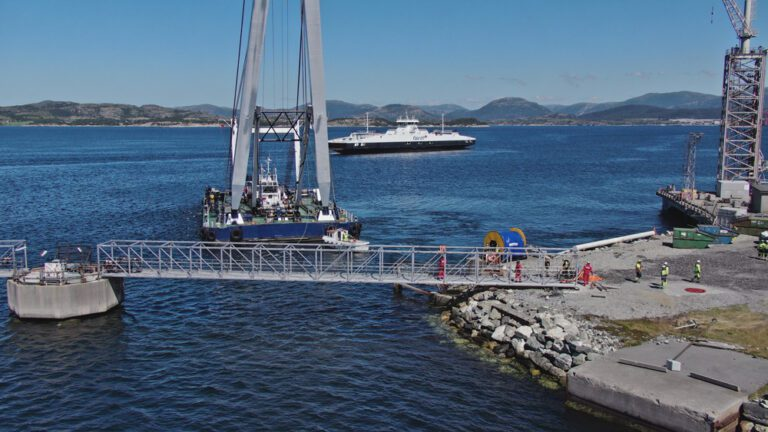
Choosing the right supplier is as important as selecting the right alloy grade. An experienced manufacturer with proven capabilities reduces risk, simplifies communication, and ensures consistent quality across every order.
Prioritize suppliers with substantial production infrastructure. Shaanxi Jiade Group operates a 200,000-square-meter modern factory with 600,000 tons of annual output capacity, ensuring your orders are fulfilled on schedule regardless of volume.
Verify that your supplier produces to API 5L PSL1/PSL2, ASTM, ANSI, DIN, and JIS standards. Compliance with multiple international codes demonstrates manufacturing maturity and flexibility for global project requirements.
Establish a direct relationship with the manufacturer to eliminate intermediary markups. A vertically integrated producer with $120 million in fixed assets can offer competitive pricing while maintaining full quality control over every production stage.
These answers address the most common questions procurement professionals ask when sourcing nickel alloy pipe from international manufacturers.
Seamless nickel alloy pipe is formed by piercing a solid billet, resulting in a joint-free tube ideal for high-pressure and high-temperature services. Welded pipe is manufactured from rolled plate or strip with a longitudinal weld, offering cost efficiency for lower-pressure applications. For critical service in oil and gas or chemical processing, seamless pipe per ASTM B163 is typically specified.
Inconel 625 (UNS N06625) and Hastelloy C-276 (UNS N10276) offer excellent resistance to chloride-induced pitting and crevice corrosion. Monel 400 is also suitable for marine chloride exposure. The optimal choice depends on the specific concentration, temperature, and presence of other corrosive agents in your process stream.
MOQ varies by supplier and product specification. Large-scale producers like Shaanxi Jiade Group can accommodate both bulk orders and smaller project-specific quantities due to their flexible production lines. Contact the manufacturer directly to discuss MOQ flexibility for your specific grade, size, and quantity requirements.
Standard sizes and grades in stock may ship within 7–15 days. Custom sizes, special alloys, or large-volume orders typically require 30–60 days for production, depending on current factory schedules. Rush orders may be available at a premium. Confirm lead times during the quotation phase to align with your project schedule.
Yes, major manufacturers produce custom outer diameters, wall thicknesses, and lengths to meet specific project requirements. Non-standard dimensions may affect pricing and lead time. Provide your engineering drawings with all dimensional tolerances to receive an accurate quotation and feasibility assessment.
Expect EN 10204 Type 3.1 or 3.2 Mill Test Certificates, material traceability documentation, and optionally third-party inspection reports from SGS, BV, or equivalent agencies. These documents confirm chemical composition, mechanical properties, and test results for each heat lot included in your shipment.
Related Products List
Contact Us

Privacy statement: Your privacy is very important to Us. Our company promises not to disclose your personal information to any external company with out your explicit permission.
Fill in more information so that we can get in touch with you faster
Privacy statement: Your privacy is very important to Us. Our company promises not to disclose your personal information to any external company with out your explicit permission.