


Send Message
Privacy statement: Your privacy is very important to Us. Our company promises not to disclose your personal information to any external company with out your explicit permission.



Titanium alloy bars are high-performance metal stock forms manufactured from titanium combined with elements such as aluminum, vanadium, or molybdenum to enhance specific mechanical properties. These bars serve as the fundamental raw material for downstream manufacturing, providing exceptional strength-to-weight ratios and corrosion resistance that standard steel cannot match.
For procurement professionals, selecting the right titanium alloy bar is critical. Whether you need grades like Ti-6Al-4V (Grade 5) for aerospace applications or commercially pure titanium for chemical processing, understanding the metallurgical composition ensures your final product meets rigorous industry standards. Our supply chain guarantees consistent chemical composition across batches, reducing your risk of production delays due to material non-conformance.
Our titanium alloy bars undergo a rigorous quality assurance process designed to meet international specifications including ASTM, AMS, and EN standards. We utilize advanced vacuum arc remelting (VAR) and electroslag remelting (ESR) techniques to eliminate impurities and ensure a uniform grain structure.
Why this matters to you: Consistent microstructure translates directly to predictable mechanical performance in your machining operations. Every batch is tested for tensile strength, yield strength, and elongation, ensuring that your supply chain remains reliable and compliant with strict regulatory requirements.
We provide full Mill Test Certificates (MTC) with every shipment, detailing chemical analysis and mechanical test results. This documentation simplifies your inbound quality control and audit processes, saving time and administrative overhead.
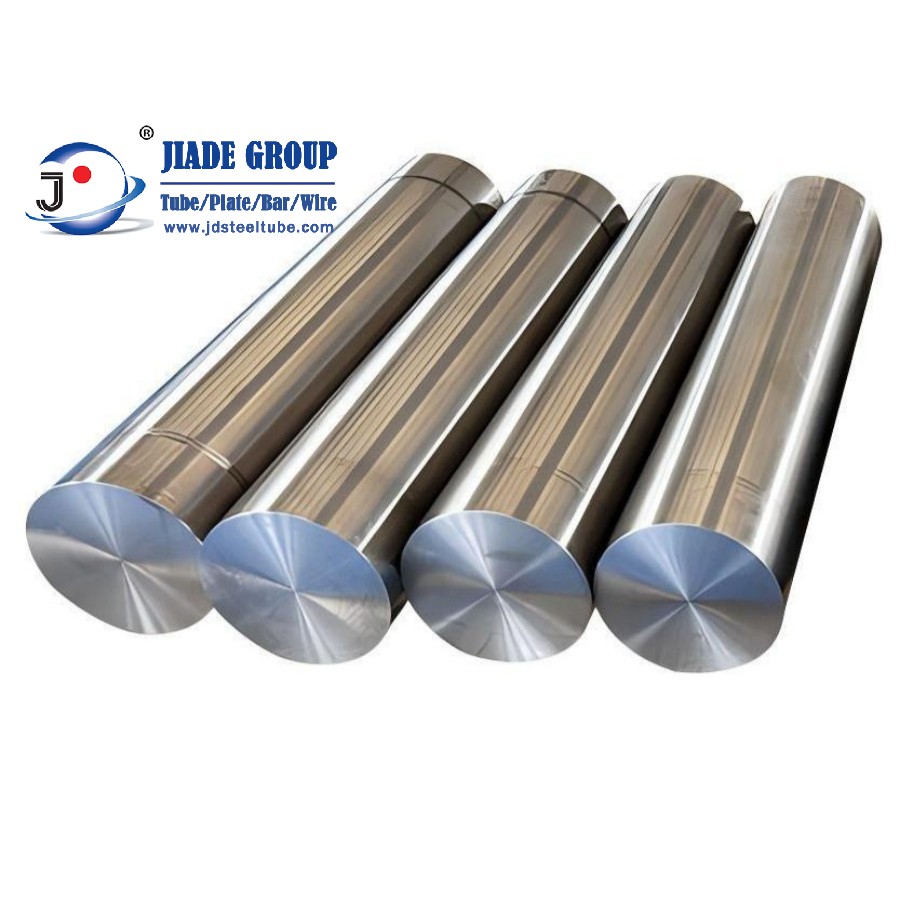
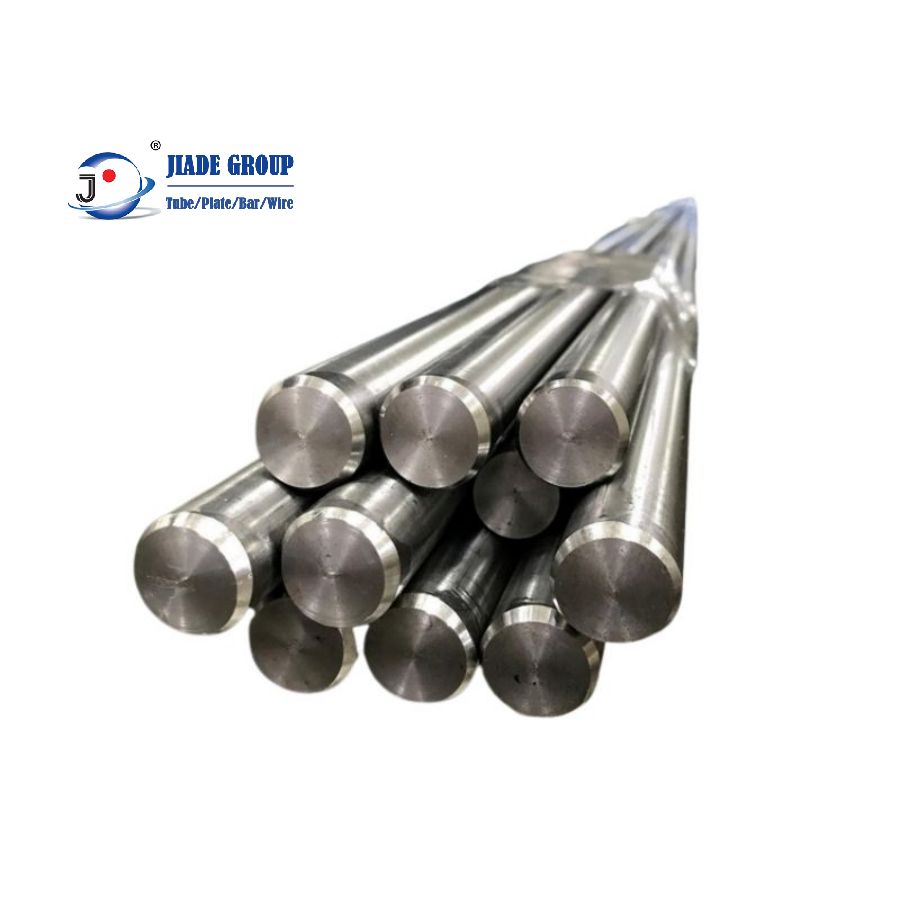
Choosing the correct grade is the first step in optimizing your project costs and performance. Commercially Pure (CP) Titanium grades (1-4) offer excellent formability and corrosion resistance, ideal for architectural and chemical applications. Alpha-beta alloys like Ti-6Al-4V provide the best balance of strength and toughness for aerospace and medical implants.
Precision matters. Standard tolerances may suffice for rough forging, but CNC machining and medical device manufacturing often require tight diameter tolerances (H8/H9). Confirming these requirements upfront prevents costly re-work and ensures your parts fit perfectly the first time.
Before placing an order for titanium alloy bars, use this checklist to evaluate potential suppliers and mitigate procurement risks. This structured approach helps streamline your vendor selection process.
Does the supplier provide heat numbers and full MTCs traceable back to the melt shop?
Can they deliver black pickled, bright polished, or ground surfaces as required by your application?
Are their quality certifications (ISO, API, etc.) current and recognized by your industry auditors?
Do they have sufficient inventory of common grades to prevent production stoppages?
Procuring titanium alloy bars comes with unique challenges. Being aware of these common pitfalls allows you to negotiate better terms and avoid supply chain disruptions.
Titanium prices fluctuate with sponge titanium markets. Locking in prices early or ordering during market dips can significantly lower your landed cost.
Iron contamination is a major issue. Ensure your supplier uses dedicated tooling and storage to prevent cross-contamination with carbon steel.
Specialty grades often have long production cycles. Plan your procurement schedule well in advance to accommodate melting and refining times.
The aerospace sector relies heavily on Ti-6Al-4V bars for aircraft structures, jet engine components, and landing gear due to their high strength and light weight. Using these alloys reduces fuel consumption and increases payload capacity.
Biocompatibility is paramount in medical devices. Commercially pure titanium and beta-alloys are used for surgical instruments, bone screws, and orthopedic implants, offering osseointegration without adverse tissue reactions.
In harsh environments involving chlorides and acids, titanium bars outperform stainless steel. They are essential for heat exchangers, reactor vessels, and piping systems where corrosion resistance extends equipment lifespan.

When evaluating suppliers for titanium alloy bars, look beyond price. A reliable partner offers technical support, inventory management, and logistical efficiency.
Choose a supplier who can advise on heat treatment options (annealing, solution treating) and machining characteristics. Their expertise can help you optimize material usage and reduce waste.
Titanium bars are heavy and require careful handling. Ensure your supplier has experience in packaging and shipping to prevent surface damage during transit, which can lead to rejected shipments.
Grade 1 is commercially pure titanium, offering excellent corrosion resistance and formability but lower strength. Grade 5 (Ti-6Al-4V) is an alpha-beta alloy containing aluminum and vanadium, providing significantly higher strength and hardness, making it suitable for high-stress structural applications.
Yes, titanium bars can be welded using techniques like Tungsten Inert Gas (TIG) or Electron Beam Welding (EBW). However, the weld zone must be shielded with inert gas (argon or helium) to prevent contamination and embrittlement during the cooling process.
Standard diameters typically range from small round bars (under 10mm) up to large forgings (over 300mm). Custom sizes are often available depending on the melting capacity of the supplier's facility. It is best to consult with your supplier regarding specific dimensional requirements.
Absolutely. Titanium is 100% recyclable without loss of properties. Scrap titanium retains high value in the secondary market, contributing to sustainable manufacturing practices and potentially reducing overall material costs through scrap buy-back programs.
Related Products List
Contact Us

Privacy statement: Your privacy is very important to Us. Our company promises not to disclose your personal information to any external company with out your explicit permission.
Fill in more information so that we can get in touch with you faster
Privacy statement: Your privacy is very important to Us. Our company promises not to disclose your personal information to any external company with out your explicit permission.