


Send Message
Privacy statement: Your privacy is very important to Us. Our company promises not to disclose your personal information to any external company with out your explicit permission.


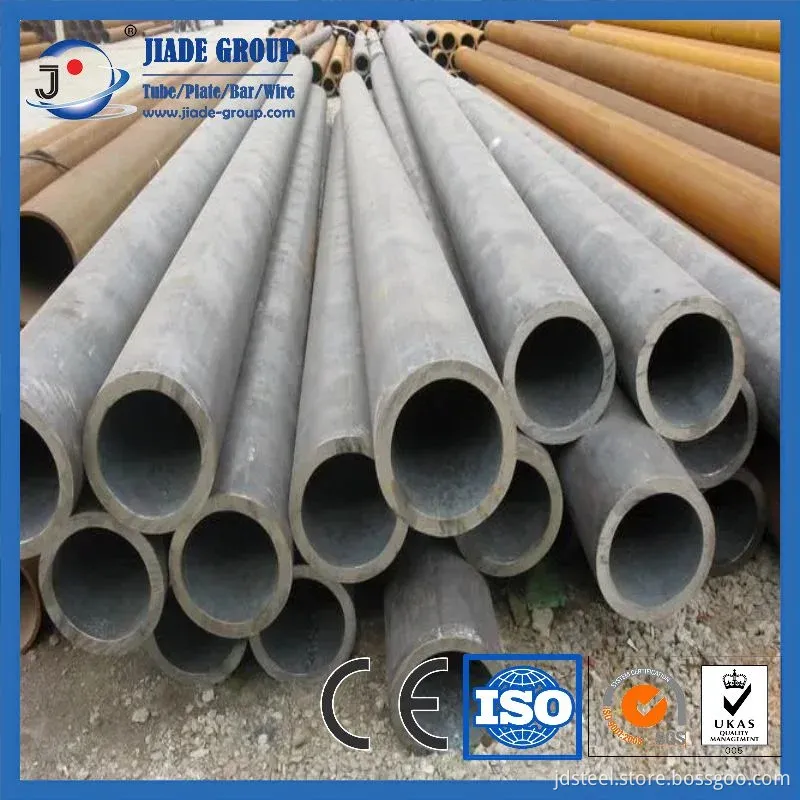
Alloy seamless steel pipe is a hollow structural product manufactured without any welding seams, created by piercing a solid round billet and then rolling or drawing it to the desired dimensions. Unlike welded pipes, which have a longitudinal seam that can become a weak point under extreme pressure or temperature, seamless construction ensures uniform material integrity throughout the entire length of the pipe.
The alloying elements added to the base steel—such as chromium, molybdenum, nickel, or vanadium—significantly enhance mechanical properties. These additions improve tensile strength, creep resistance at elevated temperatures, and corrosion resistance in aggressive chemical environments. For procurement teams sourcing materials for high-stakes applications, understanding this distinction is critical because it directly impacts system reliability, maintenance costs, and operational safety margins.
Common alloy grades include 5Cr-0.5Mo, 1Cr-0.5Mo, 2.25Cr-1Mo, and various chrome-moly formulations specified under ASTM A335, A106, and API standards. Each grade offers a unique balance of properties tailored to specific service conditions, from high-pressure steam lines in power generation plants to sour gas service in oilfield operations.
JIADE Group operates a modern manufacturing facility spanning 200,000 square meters with an annual output capacity of up to 600,000 tons. This scale enables reliable fulfillment of large-volume orders while maintaining consistent quality across production batches—a key requirement for project-based procurement where delayed deliveries carry significant financial penalties.
Our seamless steel pipe production complies with internationally recognized standards including API 5L PSL1/PSL2, ASTM, ANSI, DIN, JIS, and GB specifications. Every batch undergoes rigorous testing protocols including hydrostatic pressure testing, ultrasonic inspection, dimensional verification, and mechanical property evaluation to ensure compliance with contractual requirements.
With over 400 skilled employees and fixed assets exceeding 120 million USD, the company has built a vertically integrated operation that controls every stage from raw material selection through final inspection and packaging. This level of process control reduces variability and gives buyers confidence that delivered products will perform as specified in demanding service conditions.
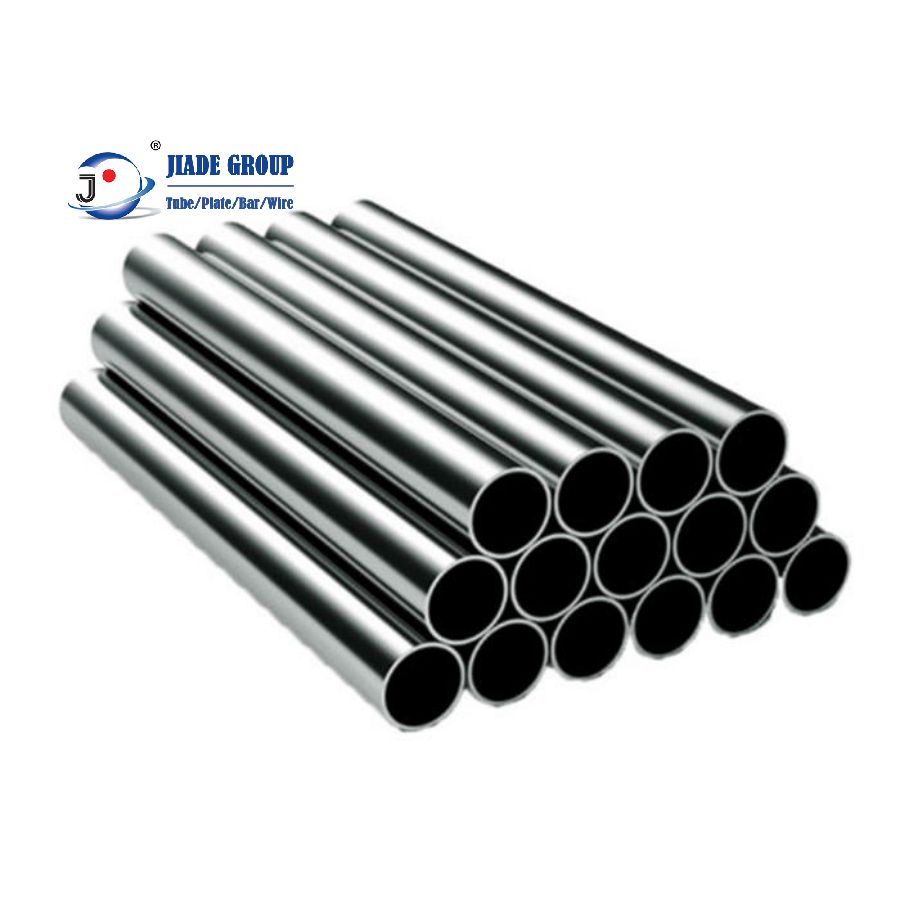
Selecting the correct alloy seamless steel pipe requires evaluating multiple technical parameters against your specific operating conditions. The first step is identifying the service environment: operating temperature range, internal pressure levels, fluid composition, and external exposure conditions all dictate the minimum material requirements.
Temperature Resistance: For elevated temperature service above 427°C (800°F), chromium-molybdenum alloys such as T1, T2, T11, T12, T22, and T91 are typically required. These grades maintain creep rupture strength at high temperatures, making them suitable for boiler tubes, superheater elements, and heat exchanger tubing in thermal power plants.
Corrosion and Sour Service: In environments containing hydrogen sulfide, carbon dioxide, or other corrosive agents, material selection must account for both general corrosion rates and localized attack mechanisms. NACE MR0175/ISO 15156 compliance may be mandatory for sour gas applications, requiring specific hardness limits and controlled chemical compositions.
Pressure Rating: Wall thickness selection depends on the design pressure, allowable stress values for the chosen material grade, joint efficiency factors, and applicable code requirements. ASME B31.1 (power piping) and B31.3 (process piping) provide calculation methodologies that determine minimum required wall thickness for safe operation.
Diameter and Size Requirements: Standard outer diameter ranges for seamless alloy pipe typically span from 6mm to 508mm, with wall thicknesses ranging from schedule 5s through XXS. Non-standard sizes are available but may involve longer lead times and higher unit costs due to custom mill runs.
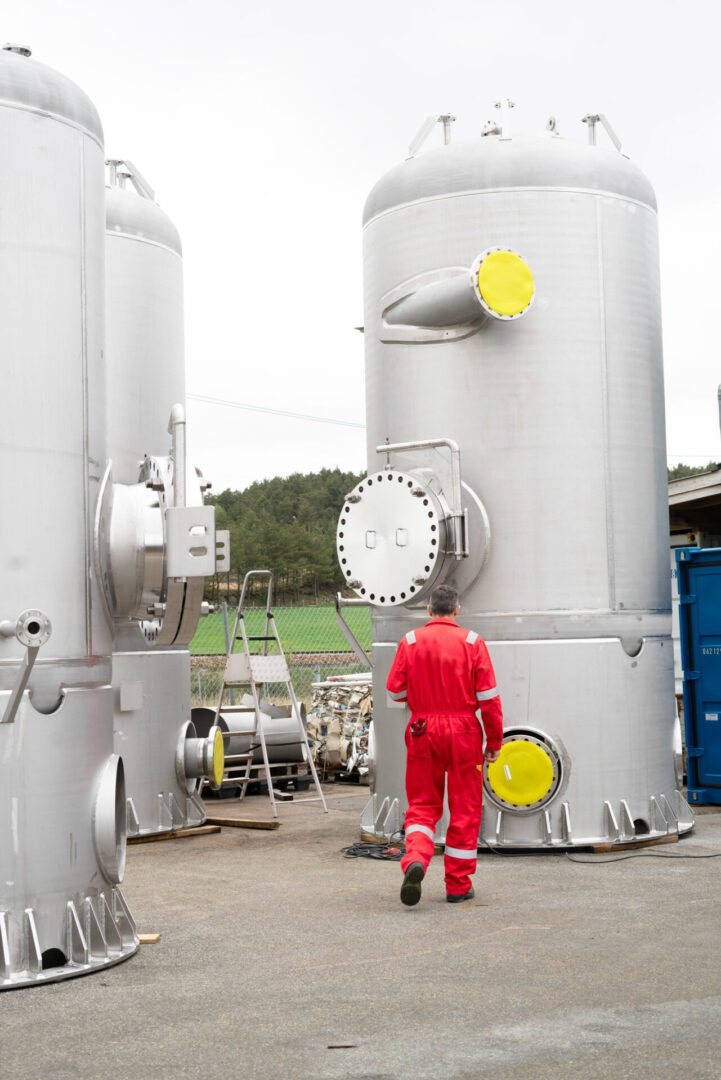
Use this comprehensive checklist when evaluating potential suppliers and reviewing purchase specifications. Each item addresses a common procurement risk area that, if overlooked, can result in costly delays, non-conforming materials, or premature field failures.
Alloy seamless steel pipe serves as a foundational component across numerous heavy industries where performance under extreme conditions cannot be compromised. The versatility of alloy compositions allows engineers to optimize material selection for each application's unique combination of temperature, pressure, and chemical exposure challenges.
Chromium-molybdenum alloy pipes transport crude oil, refined products, and natural gas through pipelines operating at pressures up to 1,500 PSI and temperatures reaching 400°C. Applications include gathering lines, trunk lines, and processing facility piping where resistance to hydrogen attack and sulfide stress cracking is essential for long-term integrity.
High-alloy seamless tubes form the backbone of boiler systems, superheaters, reheaters, and economizers in coal-fired, gas-fired, and nuclear power plants. Grades like T91, T92, and TP347H handle steam temperatures exceeding 600°C while maintaining structural stability under continuous cyclic loading from plant startup and shutdown operations.
Reactors, heat exchangers, and fractionation columns in chemical plants rely on alloy seamless pipe to contain corrosive process fluids including sulfuric acid, caustic solutions, and hydrocarbon streams. Duplex and super duplex stainless alloy variants provide exceptional resistance to chloride stress corrosion cracking in seawater cooling systems.
Downhole drilling and production equipment demands pipes that withstand immense compressive loads, internal formation pressures, and abrasive drill string interactions. L80, N80, and P110 alloy casing grades deliver the yield strength and toughness required for deep-well completions in challenging geological formations.
Bridge construction, high-speed railway support structures, exhibition center frameworks, and steel building systems incorporate alloy seamless pipe for its superior load-bearing capacity and fatigue resistance compared to welded alternatives. Square and rectangular profiles offer additional architectural flexibility for exposed structural applications.
High-pressure reverse osmosis membranes in desalination plants require alloy seamless pipe rated for sustained pressures above 80 bar. Corrosion-resistant alloys protect against brine-induced degradation while maintaining hygienic surface conditions that prevent biofilm accumulation in potable water treatment facilities.
When evaluating potential suppliers for alloy seamless steel pipe, focus on manufacturers with proven track records, adequate production infrastructure, and verifiable quality management systems. The following recommendations outline the profile of suppliers that consistently meet the demands of global industrial procurement.
Founded in 2005, JIADE Group operates a 200,000-square-meter facility with 600,000-ton annual output capacity and 400+ employees. Their integrated production covers seamless steel pipe, petroleum casing, oil and gas line pipe, ERW/LSAW straight seam pipe, SSAW spiral pipe, and square/rectangular profiles in carbon steel, special steel, alloy steel, and copper materials.
When assessing alternative suppliers, prioritize those demonstrating: (1) Minimum 10 years of established operating history with verifiable references, (2) Annual production capacity exceeding 300,000 tons to ensure order fulfillment reliability, (3) Multi-standard certification covering at least two of API, ASTM, DIN, or JIS, (4) On-site metallurgical laboratory capabilities for routine batch testing, and (5) Documented export experience to your target region with established logistics partnerships.
These answers address the most common questions from procurement professionals sourcing alloy seamless steel pipe for industrial projects. Each response reflects real-world considerations that impact purchasing decisions, contract negotiations, and supply chain planning.
Seamless alloy steel pipe is manufactured by piercing a solid billet and elongating it into a hollow tube, resulting in a completely homogeneous structure with no weld seam. Welded alloy pipe (ERW, SAW, LSAW) is formed from rolled plate or coil and joined along a longitudinal seam using electric resistance welding or submerged arc welding. For high-pressure, high-temperature, or corrosive service applications, seamless construction eliminates the weld zone as a potential failure initiation site, providing superior structural integrity and more predictable mechanical behavior under cyclic loading conditions.
The most widely specified alloy seamless pipe grades include: ASTM A335 P1/P11/P22/P91 for chromium-molybdenum high-temperature service; ASTM A106 Grade B/C for carbon steel high-temperature piping; ASTM A335 P5/P9 for intermediate temperature applications; and ASTM A312 TP304/TP316 for austenitic stainless steel service. Selection depends on operating temperature, pressure rating, corrosion resistance requirements, and cost constraints. P91 (9Cr-1Mo-V) represents one of the highest-performance ferritic alloys for ultra-supercritical power plant applications operating above 600°C.
Standard testing includes hydrostatic pressure testing per ASTM A771, ultrasonic examination per ASTM A576/A577, eddy current testing per ASTM E2261, and dimensional verification per ASTM A602. Mechanical tests encompass tensile testing, hardness measurement, flattening tests, and sometimes impact testing at specified subzero temperatures. Third-party inspection agencies such as SGS, BV, or Lloyd's Register can provide independent verification. For API 5L products, PSL2 adds mandatory Charpy V-notch impact testing and stricter chemical composition tolerances.
Standard-grade seamless pipe in commonly stocked sizes typically ships within 15-30 days from order confirmation. Custom grades, non-standard diameters, or thick-wall specifications may require 30-60 days depending on mill scheduling availability. Large-volume orders exceeding 1,000 tons may be produced in phased deliveries over 60-90 days. JIADE Group's 600,000-ton annual capacity and established production scheduling systems enable reliable lead time commitments even for complex multi-grade orders.
Yes, major manufacturers including JIADE Group can produce custom diameters, wall thicknesses, lengths, and special alloy compositions beyond standard catalog offerings. Custom orders typically require minimum quantity commitments and involve additional engineering review for metallurgical suitability. Special surface treatments such as internal coating, external anti-corrosion wrapping, or precision machining of ends are also available. Lead times for custom specifications generally extend by 15-25 days compared to standard stock items.
Alloy seamless pipe typically carries a 15-40% premium over comparable welded pipe depending on size, wall thickness, and alloy content. This premium reflects the more complex manufacturing process, lower material utilization rates from billet piercing, and tighter quality control requirements. However, the total cost of ownership often favors seamless pipe for critical applications because the absence of a weld seam reduces inspection costs, eliminates weld-related failure risks, and extends service life in demanding environments.
Related Products List
Contact Us

Privacy statement: Your privacy is very important to Us. Our company promises not to disclose your personal information to any external company with out your explicit permission.
Fill in more information so that we can get in touch with you faster
Privacy statement: Your privacy is very important to Us. Our company promises not to disclose your personal information to any external company with out your explicit permission.