


Send Message
Privacy statement: Your privacy is very important to Us. Our company promises not to disclose your personal information to any external company with out your explicit permission.



Alloy steel plate is a structural material enhanced with specific chemical elements beyond standard carbon content to deliver superior mechanical properties, corrosion resistance, and performance under extreme conditions.
Unlike standard carbon steel, alloy steel plates incorporate elements such as chromium, nickel, molybdenum, or vanadium. These additions transform the material's microstructure, resulting in higher tensile strength, improved toughness at low temperatures, and enhanced resistance to wear and corrosion.
For procurement managers, this means fewer replacements, lower maintenance costs, and increased safety margins in critical applications like high-pressure pipelines, heavy machinery, and industrial infrastructure.
Our manufacturing process ensures every alloy steel plate meets international standards through rigorous quality control, advanced production facilities, and certified testing procedures.
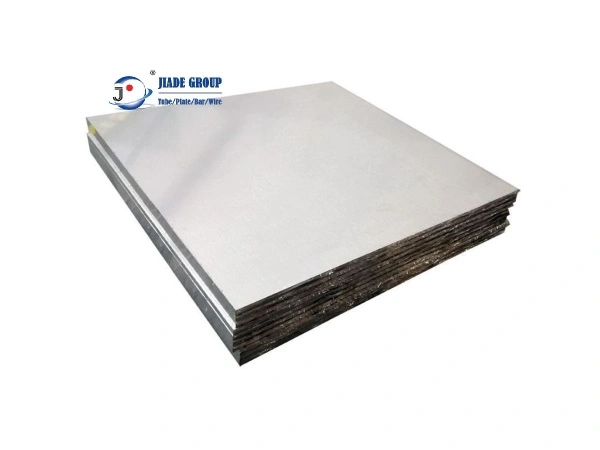
JIADE Group operates a modern 200,000 square meter factory with an annual output capacity of 600,000 tons. Our alloy steel plate production complies with global standards including API 5L PSL1/PSL2, GB, ASTM, ANSI, DIN, and JIS specifications.
Every batch undergoes comprehensive testing to ensure consistency and reliability. Our quality assurance process includes:
Precise verification of alloy composition to meet exact specification requirements.
Tensile, impact, and hardness tests to validate structural performance.
With fixed assets of $120 million USD and over 400 skilled employees, we guarantee consistent supply volumes and on-time delivery for large-scale projects worldwide.
Selecting the correct alloy steel plate requires understanding your application's demands. This guide helps procurement teams make informed decisions that balance performance, cost, and compliance.
Different industries demand different material properties. Start by defining:
Always specify plates that comply with recognized standards. Common specifications include:
ASTM A572/A588: High-strength low-alloy structural plates.
ASTM A285/A516: Pressure vessel plates for moderate and low-temperature service.
API 5L: Line pipe plates for oil and gas transmission.
EN 10025: European hot-rolled product standards for structural and general engineering.
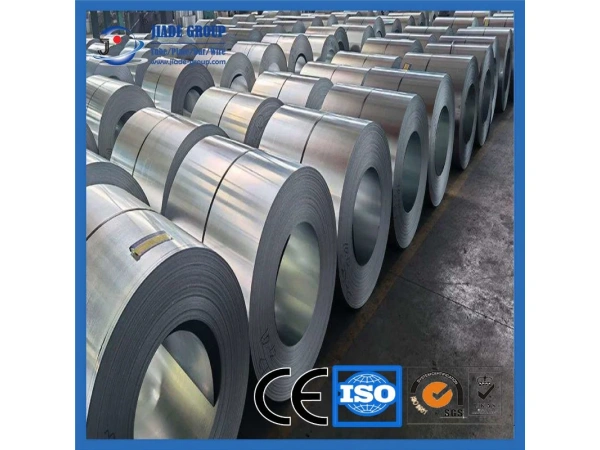
Use this comprehensive checklist to evaluate suppliers and ensure your alloy steel plate orders meet all technical, commercial, and logistical requirements.
Supplier provides MTC (Mill Test Certificate) with each batch, verifying chemical composition and mechanical properties.
Plates meet your specified standards (ASTM, API, EN, JIS) with documented traceability from melt to final product.
Supplier demonstrates sufficient production capacity (600,000+ tons annually) to fulfill your order volume and timeline.
Available surface treatments (pickled, blasted, coated) match your fabrication and end-use requirements.
Robust packaging prevents damage during transit, with moisture protection and secure strapping for international shipping.
Supplier offers engineering support for material selection, welding procedures, and troubleshooting fabrication issues.
JIADE Group combines manufacturing scale, technical expertise, and global experience to deliver reliable alloy steel plate solutions that reduce your procurement risk and total cost of ownership.
With 200,000 sqm factory space and 600,000 tons annual output, we handle large-volume orders without compromising lead times or quality consistency.
Products comply with API 5L, ASTM, ANSI, DIN, JIS, and GB standards, ensuring seamless integration into your international projects and regulatory frameworks.
Beyond alloy steel plates, we supply seamless pipes, ERW/LSAW pipes, flanges, and special steels, simplifying your supply chain through single-source procurement.
Since 2005, we've served critical sectors including petroleum, chemical industry, water treatment, bridge construction, and high-speed railway infrastructure worldwide.
Vertical integration from raw material processing to finished products enables us to offer competitive pricing while maintaining strict quality controls and certifications.
Established export channels and experienced logistics team ensure timely delivery to ports worldwide, with proper documentation and customs support included.
Understanding common pitfalls in alloy steel plate procurement helps you avoid costly mistakes. Here are frequent issues buyers face and how our solutions address them.
Request Mill Test Certificates (MTC) with detailed chemical analysis and mechanical test results. Conduct third-party inspections (SGS, BV) at the factory before loading. Our transparent quality documentation and optional pre-shipment inspection services ensure you receive exactly what was ordered.
Delays often stem from production bottlenecks, quality rejections, or logistics complications. With our 600,000-ton annual capacity and streamlined processes, we maintain consistent production schedules. We provide realistic lead times upfront and proactive communication throughout the manufacturing process.
Work with manufacturers who have vertical integration and direct control over production. Our owned factory (not trading company) eliminates middleman markups while ensuring material authenticity. Request comparative quotes based on exact specifications to enable accurate value assessment.
Establish clear technical agreements before production, including exact grade, dimensions, tolerances, and testing requirements. Our quality control team cross-references your PO with production specs at every stage. In rare cases of non-conformance, we provide prompt replacement or credit under our quality guarantee policy.
Yes, we accommodate custom dimensions within our rolling mill capabilities. Standard ranges are readily available, and special orders for non-standard thicknesses, widths, or lengths can be arranged with appropriate lead time adjustments. Consult our technical team for feasibility and pricing on custom requirements.
Alloy steel plates serve critical roles across diverse industries where performance, durability, and safety are paramount. Our products power infrastructure and equipment worldwide.
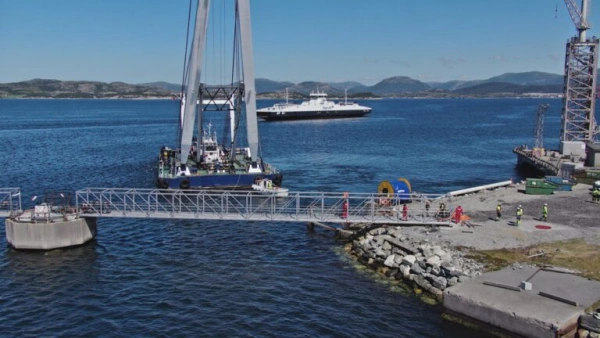
High-strength alloy plates are essential for oil and gas pipelines (API 5L), pressure vessels, boiler tubes, and offshore platform structures. Their ability to withstand high pressure, temperature extremes, and corrosive environments makes them indispensable in energy infrastructure.
Corrosion-resistant alloy steels protect chemical storage tanks, reaction vessels, and piping systems from aggressive substances. Material selection depends on specific chemical exposure, temperature, and pressure conditions.
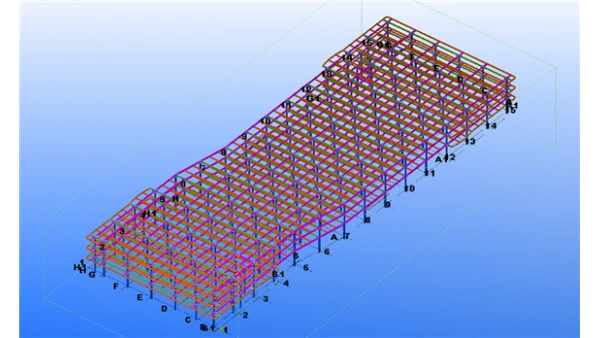
Bridge construction, high-rise buildings, and industrial facilities use high-tensile alloy plates for structural components, foundations, and seismic-resistant designs. Weathering steels provide long-term durability for exposed structures.
Construction equipment, mining vehicles, shipbuilding, and railway components rely on abrasion-resistant and high-strength alloy plates to endure extreme mechanical stresses and extend service life.
Get quick answers to common questions about alloy steel plate specifications, ordering processes, and technical considerations.
Alloy steel plates contain additional elements (chromium, nickel, molybdenum, etc.) beyond carbon, providing enhanced mechanical properties, corrosion resistance, and high-temperature performance compared to standard carbon steel plates. This makes alloy steels suitable for more demanding applications.
We supply alloy steel plates in various thicknesses typically ranging from 3mm to 150mm+, depending on the specific grade and application. Custom thicknesses can be produced to meet your project requirements. Please contact our sales team for specific availability.
Yes, every shipment includes Mill Test Certificates (MTC) documenting chemical composition, mechanical properties, and compliance with specified standards (ASTM, API, EN, etc.). Third-party inspection certificates are also available upon request.
Standard grades in common sizes are typically available for shipment within 7-15 days. Custom orders or special specifications may require 15-30 days depending on current production schedules and material availability. We provide firm lead times after order confirmation.
Absolutely. We have extensive experience exporting alloy steel plates globally with complete documentation, proper packaging for ocean freight, and coordination with international logistics partners. All exports comply with destination country regulations and standards.
Related Products List
Contact Us

Privacy statement: Your privacy is very important to Us. Our company promises not to disclose your personal information to any external company with out your explicit permission.
Fill in more information so that we can get in touch with you faster
Privacy statement: Your privacy is very important to Us. Our company promises not to disclose your personal information to any external company with out your explicit permission.