


Send Message
Privacy statement: Your privacy is very important to Us. Our company promises not to disclose your personal information to any external company with out your explicit permission.



Galvanized coil and sheet are steel products coated with a protective layer of zinc to prevent rust and corrosion. This process, known as hot-dip galvanizing or electro-galvanizing, significantly extends the lifespan of the steel in harsh environments.
For industrial buyers, galvanized steel represents the optimal balance between cost-efficiency and durability. Whether used for construction, automotive manufacturing, or appliance production, these materials provide reliable structural integrity while minimizing long-term maintenance costs.
Involves dipping clean steel into molten zinc at approximately 450°C. This creates a metallurgical bond between the zinc and steel, resulting in a thick, durable coating ideal for heavy-duty applications like pipelines and structural beams.
Uses an electrical current to deposit a thin, smooth layer of zinc. This method provides excellent surface quality and paintability, making it perfect for automotive body panels and consumer electronics casings where aesthetics matter.
Our commitment to precision ensures that every batch of galvanized coil meets international standards. We utilize advanced continuous galvanizing lines and strict quality control protocols to guarantee consistent zinc coating weights and excellent adhesion.
We source high-quality cold-rolled coils from certified mills, ensuring base metal chemistry complies with ASTM, JIS, and DIN specifications before processing begins.
Automated sensors monitor zinc pot temperature and line speed in real-time, maintaining coating uniformity within ±5% tolerance to protect your downstream production.
Post-treatment processes such as chromating or phosphating are applied to enhance corrosion resistance and ensure proper storage stability without oil staining.
Every coil undergoes rigorous visual and dimensional inspection, including eddy current testing for pinholes and adhesion tests to verify coating bonding strength.
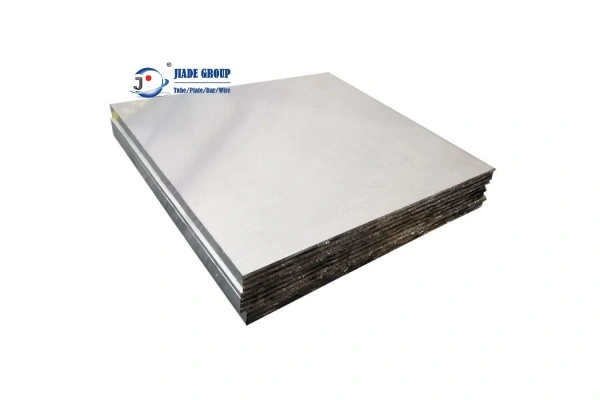
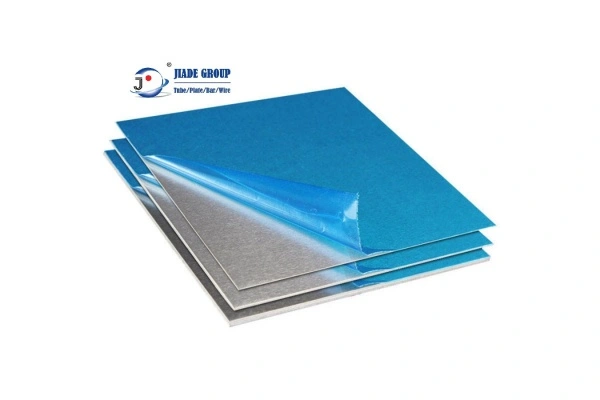
Selecting the appropriate galvanized steel requires careful consideration of your application's environmental conditions, mechanical requirements, and finishing needs. Here is a comprehensive guide to help you make the right choice.
The zinc coating weight (measured in g/m²) directly correlates to corrosion resistance. For indoor applications, lighter coatings (Z60-Z100) suffice. For outdoor or marine environments, specify heavier coatings (Z180-Z275) for maximum protection.
Choose between spangled (normal or minimized) and smooth finishes based on your painting requirements. Minimized spangle surfaces provide better paint adhesion and a more uniform appearance for visible architectural components.
Ensure the base steel grade matches your forming requirements. High-strength low-alloy (HSLA) steels offer superior strength for structural applications, while mild steels are preferred for deep drawing operations.
Use this checklist to evaluate potential suppliers and ensure you receive product that meets your technical specifications and delivery requirements.
Understanding common pitfalls helps you avoid costly mistakes when sourcing galvanized coil and sheet. Here are frequent issues buyers encounter and how to prevent them.
Problem: Zinc oxide/hydroxide deposits appear during storage due to moisture condensation.
Solution: Ensure proper ventilation in warehouses, use desiccants in shipping containers, and apply temporary anti-corrosion oils for long-term storage.
Problem: Zinc layer detaches from base steel during forming or bending operations.
Solution: Specify appropriate surface treatments like chromating or phosphating to improve adhesion. Verify coating thickness is suitable for your forming severity.
Problem: Thickness or width variations exceed tolerances, causing fabrication issues.
Solution: Require mill test certificates with actual measured values. Establish clear tolerance specifications in purchase orders and conduct incoming quality inspections.
Problem: Scratches, roll marks, or uneven zinc distribution affect appearance and performance.
Solution: Define acceptable surface quality standards upfront. Request pre-production samples and establish rejection criteria for visible defects.
Problem: Production or shipping delays disrupt your manufacturing schedule.
Solution: Build buffer stock into your inventory plan. Work with suppliers who maintain finished goods inventory and have proven track records for on-time delivery.
Problem: Fluctuating zinc and steel prices impact budgeting accuracy.
Solution: Consider fixed-price contracts for large orders. Monitor commodity markets and negotiate price adjustment mechanisms tied to recognized indices.
As a leading manufacturer with nearly two decades of experience, Jiade Group offers distinct advantages for global buyers seeking reliable galvanized steel solutions. Our integrated production capabilities and extensive industry knowledge ensure consistent quality and competitive pricing.
With a 200,000 square meter facility and annual output of 600,000 tons, we can fulfill large-volume orders reliably. Our scalable infrastructure ensures consistent supply even during peak demand periods, reducing your risk of production stoppages.
Beyond galvanized steel, we manufacture stainless steel, carbon steel pipes, flanges, and special alloys. This diversification allows you to consolidate multiple material purchases through a single trusted supplier, simplifying your procurement workflow.
Our products comply with API 5L, GB, ASTM, ANSI, DIN, and JIS standards. This global certification portfolio eliminates regulatory barriers and ensures our materials meet the specific requirements of diverse international markets and industries.
Since 2005, we've supplied materials for critical infrastructure projects including high-speed railways, bridges, petroleum pipelines, and chemical plants. This track record demonstrates our ability to deliver products that perform under demanding conditions.
Get answers to common questions about galvanized coil and sheet procurement, technical specifications, and application considerations.
Hot-dip galvanizing involves immersing steel in molten zinc, creating a thicker coating (typically 60-275 g/m²) with excellent corrosion resistance. Electro-galvanizing uses electrical deposition for a thinner, smoother coating (5-20 g/m²) that provides better surface quality for painting. Hot-dip is ideal for structural and outdoor applications, while electro-galvanized suits automotive and appliance manufacturing.
Higher zinc coating weights provide longer-lasting protection against rust and corrosion. A Z100 coating (100 g/m²) offers moderate protection for indoor use, while Z275 (275 g/m²) provides exceptional durability for outdoor or marine environments. The relationship is generally linear – doubling the coating weight approximately doubles the service life in corrosive conditions.
Yes, but specialized techniques are required. Welding generates high heat that burns off zinc near the joint, creating corrosion vulnerability. Best practices include using zinc-rich welding rods, applying post-weld zinc-rich paint to exposed areas, or designing joints to minimize welding where possible. Always follow manufacturer guidelines for welding parameters.
Galvanized steel is used extensively across industries: construction (roofing, wall cladding, structural components), automotive (body panels, chassis parts), HVAC (ductwork, vents), agriculture (greenhouse frames, equipment), and consumer goods (appliances, furniture). The specific grade and coating selection depend on the application's environmental exposure and mechanical requirements.
Store galvanized steel in dry, well-ventilated environments with stable temperatures. Avoid direct contact with ground moisture by using pallets or racks. Keep coils upright and covered with waterproof tarps if stored outdoors temporarily. Maintain spacing between stacked sheets to allow air circulation and prevent condensation buildup.
Minimum order quantities vary by product type and specifications. Typically, we accept orders starting from one full container load (approximately 20-25 tons for coils). For standard grades in stock, smaller quantities may be accommodated subject to availability. Contact our sales team for specific MOQ requirements based on your project needs.
Related Products List
Contact Us

Privacy statement: Your privacy is very important to Us. Our company promises not to disclose your personal information to any external company with out your explicit permission.
Fill in more information so that we can get in touch with you faster
Privacy statement: Your privacy is very important to Us. Our company promises not to disclose your personal information to any external company with out your explicit permission.