


Send Message
Privacy statement: Your privacy is very important to Us. Our company promises not to disclose your personal information to any external company with out your explicit permission.



Galvanized steel sheet is a versatile metal product that combines the strength of carbon steel with a protective zinc coating to prevent rust and corrosion. This essential material serves as the backbone for countless industrial applications, from construction frameworks to automotive components.
The galvanization process involves applying a layer of zinc to the steel surface through hot-dip or electro-galvanizing methods. This creates a durable barrier that significantly extends the lifespan of the steel, making it an ideal choice for projects exposed to harsh weather conditions or corrosive environments. For procurement teams seeking reliable raw materials, understanding these specifications ensures optimal project longevity and reduced maintenance costs.
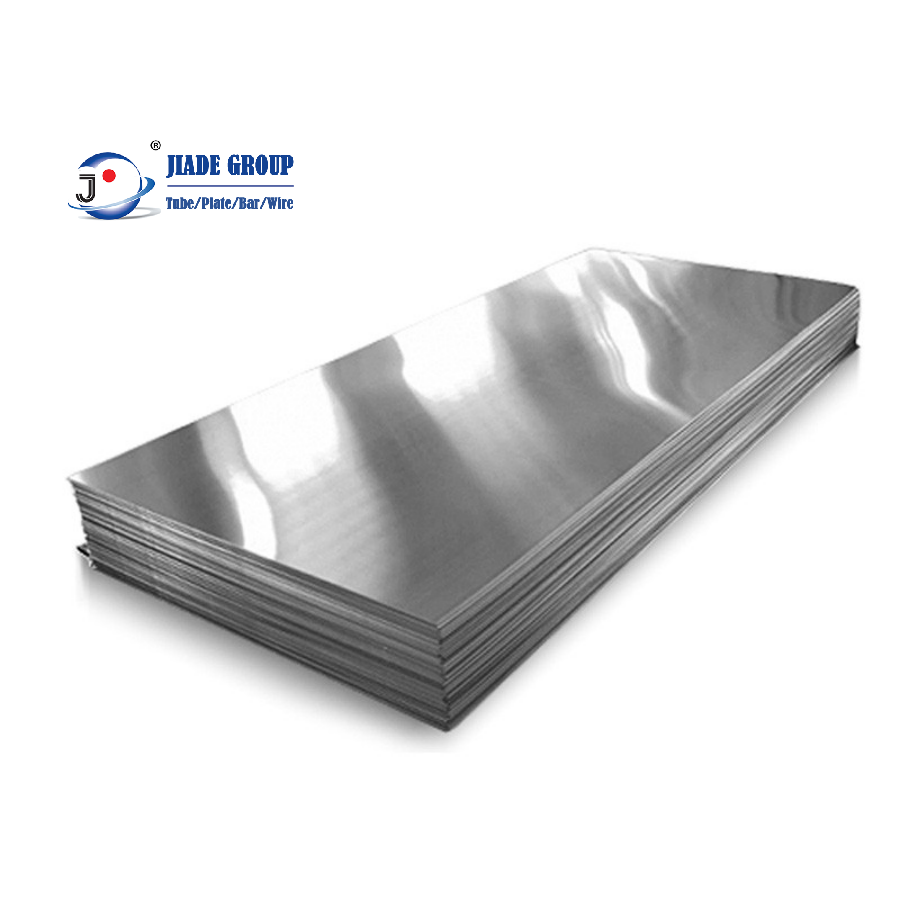
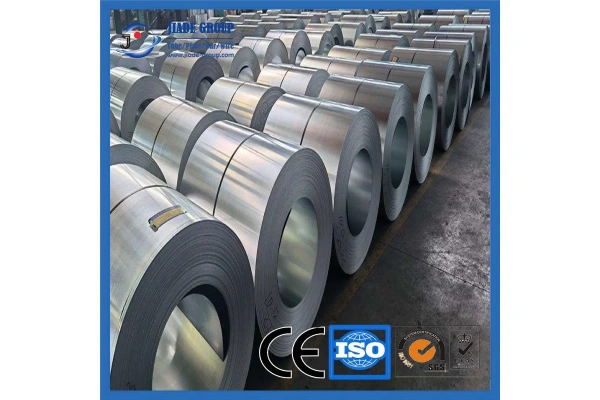
Our galvanized steel sheets are manufactured in state-of-the-art facilities adhering to international quality standards. With annual production capacity exceeding 600,000 tons, we ensure consistent supply for large-scale procurement needs.
Produced in compliance with API 5L PSL1/PSL2, GB, ASTM, ANSI, DIN, and JIS standards. Our 200,000 square meter facility employs over 400 skilled workers dedicated to precision manufacturing.
Fixed assets of $120 million USD support advanced processing equipment. Each batch undergoes rigorous testing to ensure zinc adhesion, coating uniformity, and mechanical properties meet buyer specifications.
Selecting the right galvanized steel sheet requires evaluating several critical factors to match your project's specific requirements. The coating type, base steel grade, and thickness directly impact performance and total cost of ownership.
Key Selection Criteria:
Before finalizing your purchase order, verify these essential criteria to minimize risk and ensure supplier reliability.
Confirm manufacturer credentials, factory audit reports, and production capacity alignment with your volume requirements.
Request Mill Test Certificates (MTC), chemical composition reports, and mechanical property data for every batch.
Evaluate packaging methods, loading capacity per container, and lead times to synchronize with your production schedule.
Analyze total landed cost including freight, insurance, and tariffs rather than unit price alone for accurate budgeting.
Ensure supplier offers engineering consultation for formability, welding compatibility, and application-specific guidance.
Verify warranty terms, claim procedures, and responsiveness to quality disputes or delivery discrepancies.
Galvanized steel sheets serve diverse sectors requiring durable, corrosion-resistant materials. Their versatility makes them indispensable across multiple industries.
Used in roofing, cladding, structural frames, bridges, and building envelopes where weather resistance is critical.
Manufactured into chassis components, body panels, and undercarriage parts requiring strength-to-weight optimization.
Deployed in pipeline casings, offshore platforms, and power transmission structures exposed to harsh environments.
Ideal for greenhouse framing, storage facilities, and irrigation systems due to humidity resistance.
Forms outer casings for HVAC units, washing machines, and refrigerators requiring clean surface finishes.
Fabricated into machinery guards, electrical enclosures, and chemical processing tanks with protective coatings.
Understanding typical pitfalls in galvanized steel procurement helps buyers avoid costly mistakes and supply chain disruptions.
Variable zinc coating can lead to premature corrosion in specific areas. Always request coating weight verification per batch and specify minimum G-coat requirements in contracts.
Transportation damage during shipping may compromise the protective layer. Implement strict inspection protocols upon delivery and document any visible defects immediately.
Production bottlenecks can disrupt project timelines. Establish clear milestone tracking with suppliers and maintain buffer stock for critical inventory items.
Receiving non-conforming materials causes rework delays. Provide detailed technical drawings and reference standards in purchase orders to prevent misunderstandings.
When selecting a galvanized steel sheet supplier, prioritize partners with proven track records, comprehensive capabilities, and transparent communication channels.
Choose suppliers who control the entire production process from raw material sourcing to finished goods. This vertical integration ensures quality consistency and competitive pricing.
Suppliers with extensive international shipping experience understand documentation requirements, customs procedures, and packaging standards for overseas deliveries.
Partner with manufacturers offering scalable MOQs to accommodate both trial orders and bulk purchases without compromising unit economics.
Select suppliers providing dedicated account managers and engineering support to address technical queries promptly and resolve issues efficiently.
Hot-dip galvanizing produces a thicker zinc coating (typically 60-275 g/m²) offering superior corrosion protection for outdoor applications. Electro-galvanizing creates a thinner, smoother coating (5-25 g/m²) ideal for painting and forming operations where surface finish matters most.
Higher zinc coating weights directly correlate with longer service life in corrosive environments. A G90 coating (90 g/m² total) provides basic protection for indoor use, while G115-G140 coatings suit moderate outdoor exposure. For severe coastal or industrial atmospheres, specify G185 or higher coatings.
Yes, but proper techniques are essential. Welding burns off zinc at joint areas, creating potential corrosion points. Use galvanized-compatible electrodes, apply zinc-rich primer to weld seams afterward, or consider pre-painted galvanized steel for applications requiring post-weld aesthetics.
Request Mill Test Certificates (MTC) compliant with EN 10204 3.1 or 3.2 standards. Verify ISO 9001 quality management certification, CE marking for European markets, and country-specific approvals like ASME for pressure vessel applications or AWS for structural welding codes.
Store indoors in dry, ventilated areas away from moisture sources. Keep sheets elevated on wooden pallets, never directly on concrete floors. Maintain temperature stability to prevent condensation. Stack sheets with spacers between layers to allow air circulation and prevent white rust formation.
Standard mill quantities typically ship within 15-25 days after order confirmation. Custom sizes, special coatings, or expedited orders may require 30-45 days. Seasonal demand fluctuations and raw material availability can impact schedules, so establish delivery windows with buffer periods in your procurement planning.
Related Products List
Contact Us

Privacy statement: Your privacy is very important to Us. Our company promises not to disclose your personal information to any external company with out your explicit permission.
Fill in more information so that we can get in touch with you faster
Privacy statement: Your privacy is very important to Us. Our company promises not to disclose your personal information to any external company with out your explicit permission.