


Send Message
Privacy statement: Your privacy is very important to Us. Our company promises not to disclose your personal information to any external company with out your explicit permission.



When sourcing materials for demanding industrial environments, procurement managers often face a critical decision: Incoloy 800 vs stainless steel. While both are iron-nickel-chromium alloys, their performance characteristics diverge significantly under extreme conditions.
Incoloy 800 is an austenitic alloy designed specifically for high-temperature applications up to 1100°C (2012°F). It offers exceptional resistance to oxidation and corrosion in both carburizing and neutral atmospheres. Unlike standard stainless steels, Incoloy 800 maintains its structural integrity at temperatures where other alloys would fail.
Stainless steel, particularly grades like 304 and 316, remains the workhorse of general-purpose corrosion resistance. However, when comparing Incoloy 800 vs stainless steel in terms of thermal stability and stress rupture strength, Incoloy 800 provides superior performance for pressure vessels, heat exchangers, and chemical processing equipment operating at elevated temperatures.
Understanding these differences helps your procurement team select the right material specification, reducing lifecycle costs and preventing costly failures in critical applications.
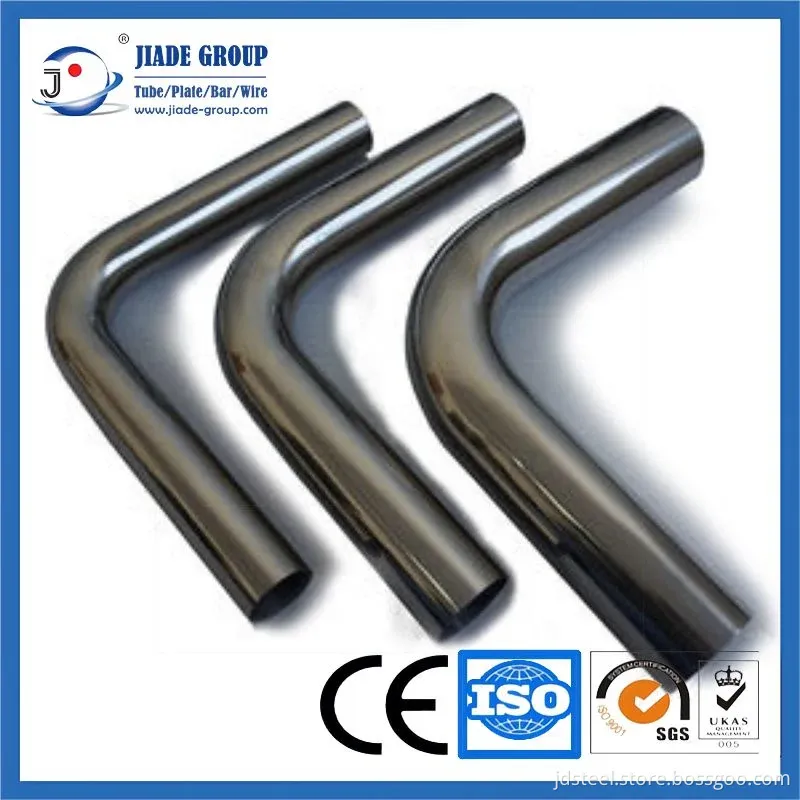
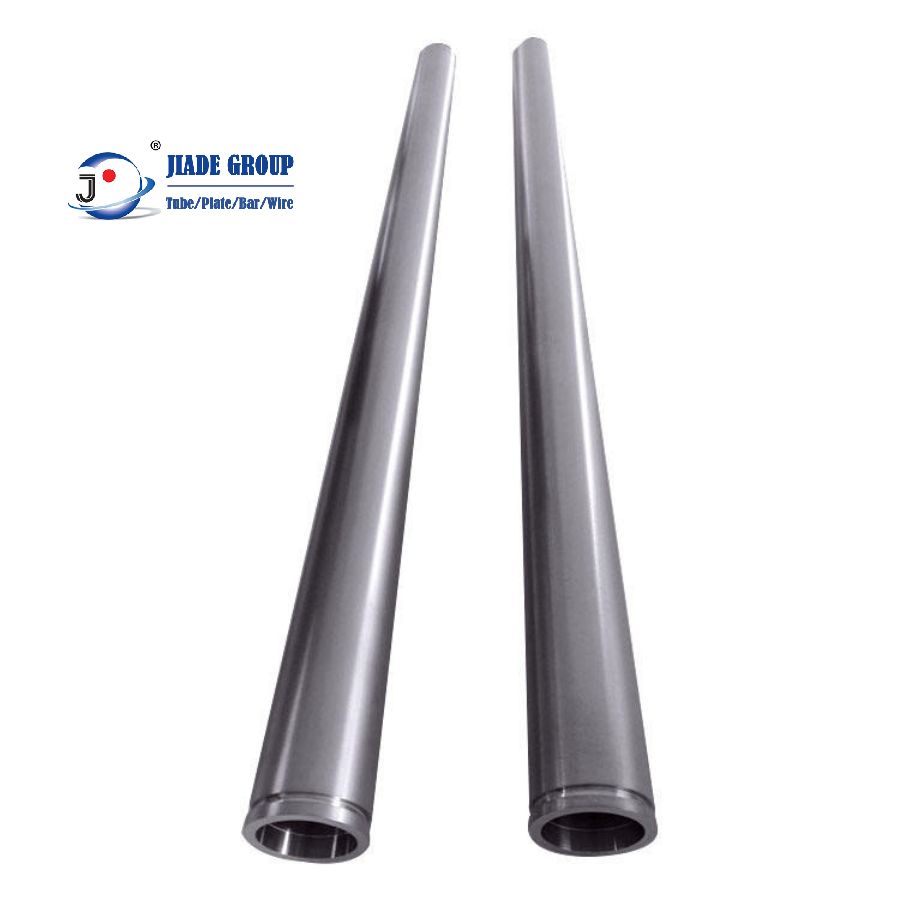
As a leading manufacturer of special alloys including Incoloy 800, we maintain rigorous quality standards that exceed international specifications. Our production facilities utilize advanced melting technologies including vacuum arc remelting (VAR) and electroslag remelting (ESR) to ensure consistent chemical composition and mechanical properties.
Every batch of Incoloy 800 undergoes extensive testing protocols including:
Our Incoloy 800 products comply with ASTM B407, ASME SB407, EN 10216-5, and JIS G3463 specifications. We provide full mill test certificates (MTC) with each shipment, documenting chemical composition, mechanical properties, and heat treatment records. This comprehensive documentation supports your quality assurance requirements and facilitates smooth customs clearance.
With annual production capacity exceeding 600,000 tons across all steel products, our specialized Incoloy division ensures reliable supply even during peak demand periods. Our inventory management system tracks raw material batches through every stage of production, providing complete traceability from melt shop to final delivery.
Incoloy 800 is an iron-nickel-chromium alloy specifically engineered for high-temperature service and corrosion-resistant applications. When evaluating Incoloy 800 vs stainless steel, understanding the precise alloy composition reveals why this material commands premium pricing while delivering unmatched performance in demanding environments.
Balance (minimum 30%)
Provides the base matrix structure and cost-effectiveness while maintaining compatibility with chromium and nickel additions.
30-35%
Ensures austenitic structure stability at high temperatures and provides excellent resistance to caustic corrosion and stress corrosion cracking.
19-23%
Forms protective oxide layer for oxidation resistance up to 1100°C and enhances resistance to reducing acids.
Maximum 0.10%
Controlled carbon content prevents sensitization during welding and maintains optimal mechanical properties.
Maximum 2.0%
Improves hot workability and deoxidizes the melt during production while contributing to strength.
1.15-1.75%
Stabilizes the alloy against carbide precipitation and enhances resistance to intergranular attack.
Maintains tensile strength and creep resistance at temperatures up to 815°C (1500°F), making it ideal for furnace components and heat treatment fixtures.
Excellent resistance to oxidation and carburization in both oxidizing and reducing atmospheres, extending component service life by 3-5 times compared to standard stainless steels.
Superior resistance to chloride stress corrosion cracking and pitting corrosion, particularly valuable in marine and chemical processing applications.
Selecting the optimal material requires careful evaluation of operating conditions, budget constraints, and lifecycle cost considerations. When comparing Incoloy 800 vs stainless steel, procurement professionals must assess multiple factors beyond initial material cost to determine the most economical solution over the equipment's operational lifetime.
If your application operates above 600°C (1112°F), Incoloy 800 becomes the clear choice. Standard stainless steels like 304 and 316 begin losing structural integrity at these temperatures, while Incoloy 800 maintains excellent mechanical properties up to 1100°C.
Buyer benefit: Selecting the correct temperature-rated material prevents unexpected downtime and costly emergency replacements during peak production periods.
Evaluate the specific chemicals, pH levels, and contaminants present in your process stream. Incoloy 800 excels in oxidizing and reducing acid environments, caustic solutions, and high-purity water systems where standard stainless steels may suffer from pitting or crevice corrosion.
Buyer benefit: Enhanced corrosion resistance translates to longer maintenance intervals and reduced total cost of ownership, even with higher initial material costs.
For high-pressure applications requiring stress rupture strength, Incoloy 800 provides superior performance. Its combination of yield strength and ductility makes it ideal for pressure vessels, boilers, and piping systems operating under sustained loads at elevated temperatures.
Buyer benefit: Higher safety margins reduce insurance premiums and regulatory compliance costs while ensuring uninterrupted operation.
While Incoloy 800 carries a premium price compared to stainless steel, conduct a comprehensive lifecycle cost analysis including installation, maintenance, replacement frequency, and production downtime costs. In many cases, Incoloy 800 delivers lower total cost despite higher upfront investment.
Buyer benefit: Strategic material selection based on total lifecycle cost rather than purchase price optimizes capital expenditure and improves project ROI.
Before finalizing your procurement decision for Incoloy 800 materials, use this comprehensive checklist to ensure you meet all technical, commercial, and logistical requirements. This systematic approach helps prevent costly mistakes and ensures supplier alignment with your project specifications.
Procuring Incoloy 800 presents unique challenges that differ from standard stainless steel purchasing. Experienced procurement teams anticipate these issues and implement proactive strategies to ensure smooth transactions and timely delivery.
The special alloy market faces risks from counterfeit materials mislabeled as Incoloy 800. To protect your investment, require mill test certificates from recognized laboratories, specify third-party inspection before shipment, and consider using trusted manufacturers with established quality reputations.
Solution: Work only with verified manufacturers who provide complete traceability documentation and offer material guarantees backed by insurance coverage.
Incoloy 800 production involves complex melting and heat treatment processes that typically require 4-8 weeks lead time. Unforeseen delays can disrupt project schedules and increase carrying costs.
Solution: Place orders early in the project planning phase, establish framework agreements with manufacturers for priority production slots, and maintain safety stock for critical spare parts requirements.
Nickel and chromium prices fluctuate significantly, affecting Incoloy 800 pricing. Budget overruns can occur if material costs spike between quotation and order placement.
Solution: Request price validity periods of 30-60 days, negotiate fixed-price contracts for long-term projects, and consider hedging strategies for large-volume purchases.
Incorrect specification selection leads to either over-engineering (unnecessary cost) or under-performance (premature failure). Confusion between Incoloy 800, 800H, and 800HT variants is common.
Solution: Engage technical experts early in the specification process, request detailed material data sheets from suppliers, and validate selections through engineering review panels.
Defining clear acceptance criteria for Incoloy 800 deliveries prevents disputes and ensures received materials meet project requirements. Ambiguous specifications lead to rejected shipments and project delays.
Solution: Establish detailed inspection procedures including dimensional checks, surface quality verification, and mechanical property testing. Specify sampling plans and rejection criteria in purchase orders.
Selecting the right supplier partner is crucial for successful Incoloy 800 procurement. Based on industry reputation, production capabilities, and quality standards, we recommend evaluating potential suppliers against these key criteria to ensure reliable partnerships that support your long-term procurement objectives.
Choose suppliers with substantial production capacity to handle your volume requirements reliably. Look for manufacturers with annual output exceeding 500,000 tons and dedicated special alloy production lines.
Why it matters: Large-scale producers maintain consistent quality standards and can fulfill urgent orders without compromising delivery schedules.
Verify suppliers hold comprehensive certifications including ISO 9001, ISO 14001, API monogram, and PED compliance. These certifications demonstrate commitment to international quality standards and regulatory requirements.
Why it matters: Certified suppliers reduce compliance risks and simplify your vendor qualification process, accelerating project timelines.
Prioritize suppliers offering engineering consultation, material selection guidance, and custom fabrication services. Strong technical support helps optimize material specifications and reduces design errors.
Why it matters: Expert technical assistance prevents costly specification errors and ensures optimal material performance in your specific application.
Select suppliers with established international shipping capabilities, including proper export documentation, cargo insurance coordination, and experienced freight forwarding partnerships.
Why it matters: Reliable logistics networks ensure timely delivery and minimize supply chain disruptions that could impact your project schedule.
Evaluate supplier financial health through credit reports and trade references. Suppliers with strong financial positions offer favorable payment terms and maintain business continuity during market fluctuations.
Why it matters: Financially stable partners provide reliable supply relationships and flexible payment arrangements that improve your cash flow management.
Look for suppliers offering comprehensive after-sales support including material traceability assistance, technical troubleshooting, and responsive customer service for claims resolution.
Why it matters: Proactive after-sales support minimizes downtime when issues arise and demonstrates supplier commitment to long-term partnership success.
Related Products List
Contact Us

Privacy statement: Your privacy is very important to Us. Our company promises not to disclose your personal information to any external company with out your explicit permission.
Fill in more information so that we can get in touch with you faster
Privacy statement: Your privacy is very important to Us. Our company promises not to disclose your personal information to any external company with out your explicit permission.