


Send Message
Privacy statement: Your privacy is very important to Us. Our company promises not to disclose your personal information to any external company with out your explicit permission.



Inconel 617 and Inconel 625 are both high-performance nickel-chromium alloys designed for extreme environments, but they serve different procurement needs. Inconel 617 offers superior high-temperature strength due to its solid-solution strengthening mechanism with cobalt and molybdenum, making it ideal for gas turbine components and nuclear applications operating above 1000°C. In contrast, Inconel 625 excels in corrosion resistance and weldability, relying on niobium addition for precipitation hardening while maintaining excellent performance up to approximately 980°C.
For B2B buyers sourcing specialty alloys, understanding these distinctions is critical. Inconel 617's composition—approximately 44.5% nickel, 21.5% chromium, 12.5% molybdenum, and 9.5% cobalt—delivers exceptional creep rupture strength at elevated temperatures. Inconel 625 contains roughly 58% nickel, 21.5% chromium, 8.3% molybdenum, and 3.6% niobium, providing outstanding resistance to pitting, crevice corrosion, and stress corrosion cracking in chloride-rich environments.
Shaanxi Jiade Group Co., Ltd brings over 18 years of manufacturing expertise in producing high-grade nickel alloy materials including Inconel 617 and Inconel 625. Our 200,000 square meter modern facility employs over 400 skilled professionals and maintains a fixed asset base of 120 million USD, enabling an annual output capacity of up to 600,000 tons across multiple steel and alloy product lines.
Every batch of Inconel 617 and Inconel 625 produced by Jiade Group undergoes rigorous quality control protocols aligned with international standards including ASTM, ANSI, DIN, and JIS specifications. We ensure full material traceability from raw ingot melting through final machining, providing each shipment with comprehensive mill test certificates (MTC) that document chemical composition, mechanical properties, and heat treatment records.
Our manufacturing advantages include:
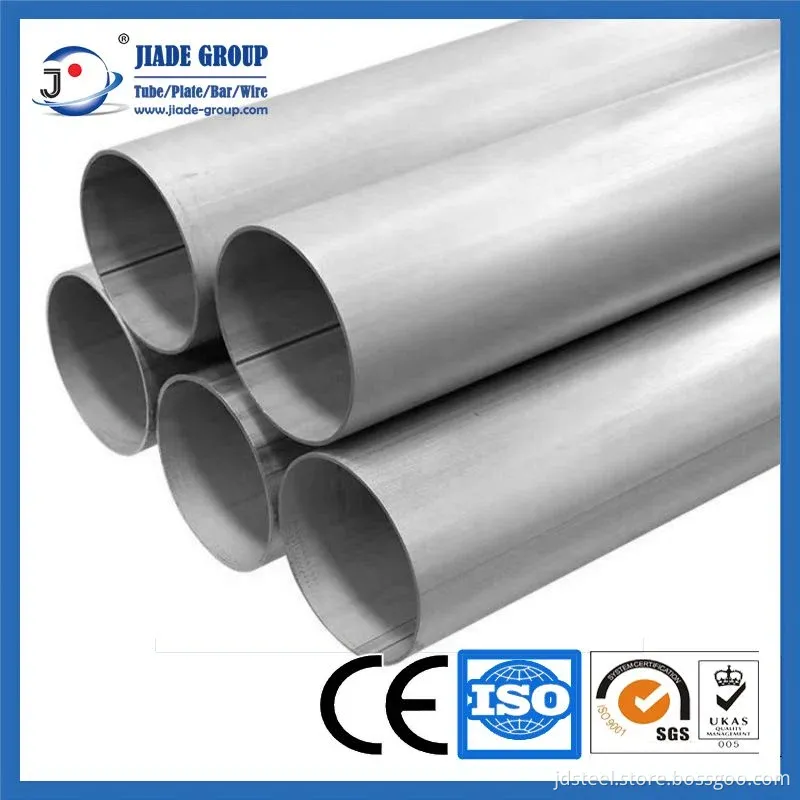
With annual production reaching hundreds of thousands of tons, Jiade Group can reliably fulfill large-volume orders for Inconel seamless pipes, tubes, flanges, and special alloy components while maintaining consistent quality across every batch.
Selecting the correct Inconel alloy requires careful evaluation of your application's operating conditions, environmental factors, and budget constraints. The decision between Inconel 617 and Inconel 625 should be guided by a systematic assessment of temperature demands, corrosion exposure, mechanical load requirements, and fabrication considerations.
While both alloys command premium pricing compared to standard stainless steels, the total cost of ownership must factor in lifecycle performance, maintenance intervals, and failure risk. Inconel 617 typically carries a higher material cost per kilogram due to its cobalt content and specialized melting requirements, but its extended service life in high-temperature applications can deliver significant savings over repeated component replacements.
Inconel 625 often provides better value for moderate-temperature corrosive environments where its superior weldability reduces fabrication costs and its proven track record in marine and chemical industries minimizes unexpected downtime. For buyers managing multi-year capital projects, evaluating the total installed cost—including installation, commissioning, and projected maintenance—will reveal which alloy delivers the stronger return on investment for your specific use case.
Use this comprehensive checklist to evaluate suppliers and validate material selections when procuring Inconel 617 or Inconel 625 alloys. Each item addresses common procurement risks and ensures you receive material that meets your technical specifications and regulatory requirements.
Procurement buyers frequently encounter challenges when sourcing Inconel alloys. Understanding these common problems and their solutions helps you avoid costly mistakes, delays, and material failures in your supply chain.
Solution: Always purchase from verified manufacturers or authorized distributors with documented supply chain transparency. Request third-party chemical analysis reports and verify heat numbers against Mill Test Certificates. Shaanxi Jiade Group Co., Ltd provides complete traceability documentation for every batch of Inconel 617 and 625 we produce, ensuring you receive exactly what was ordered.
Solution: Ensure proper heat treatment procedures are followed, including solution annealing at 1100-1150°C followed by rapid cooling. Control furnace atmosphere to minimize sulfur contamination, which accelerates intergranular attack. For applications exceeding 1093°C, consider protective coatings or atmospheric controls to extend component lifespan.
Solution: Use low-heat-input welding techniques such as TIG or electron beam welding to minimize the time spent in the sensitization temperature range (500-800°C). Post-weld solution annealing at 1065°C followed by rapid quenching restores corrosion resistance. Select filler metals specifically matched to Inconel 625 chemistry, such as ERNiCrMo-3 or ENiCrMo-3.
Solution: Partner with suppliers who maintain substantial inventory of common Inconel grades and have demonstrated production capacity. Jiade Group's 600,000-ton annual output capacity and established logistics infrastructure enable reliable fulfillment of both standard and custom orders. Establish clear communication channels and request regular production status updates throughout the order cycle.
Solution: Conduct thorough application analysis before ordering, considering all operating parameters including temperature cycles, media composition, mechanical loads, and expected service life. Consult with metallurgical experts or experienced suppliers like Jiade Group who can provide technical guidance on alloy selection based on your specific operating conditions and performance requirements.
Inconel 617 and Inconel 625 alloys serve critical roles across diverse industrial sectors worldwide. Their unique combination of high-temperature strength, corrosion resistance, and fabricability makes them indispensable materials for demanding applications where conventional alloys would fail prematurely.
Inconel 617 is extensively used in advanced gas turbine engines, supercritical CO₂ power cycles, and nuclear reactor core components. Its ability to maintain structural integrity at temperatures approaching 1200°C makes it essential for next-generation power generation systems seeking higher thermal efficiency. Inconel 625 finds application in boiler tubing, heat exchanger components, and flue gas desulfurization systems where corrosion resistance is paramount.
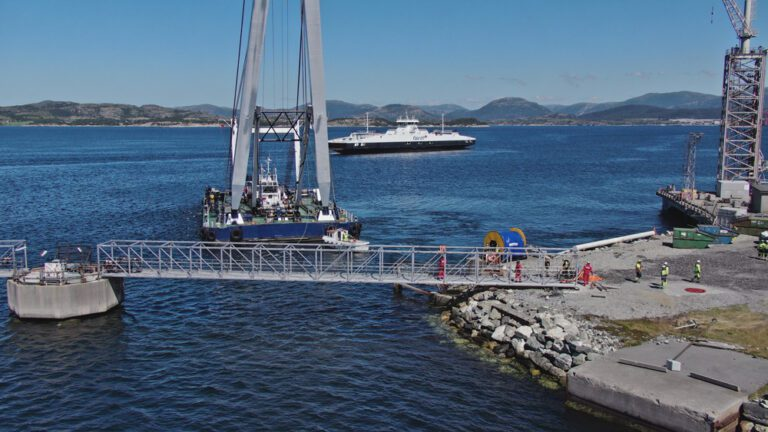
Both alloys are widely deployed in upstream oil and gas operations. Inconel 625 dominates in sour service environments, downhole tooling, Christmas tree components, and subsea piping systems due to its exceptional resistance to H₂S-induced stress corrosion cracking. Inconel 617 is selected for wellhead equipment and processing systems operating under extreme pressure and temperature conditions.
Inconel 625 is the preferred material for reactors, pressure vessels, and piping systems handling aggressive acids, chlorides, and caustic solutions. Its resistance to pitting and crevice corrosion in halide-containing environments ensures long-term reliability in chemical synthesis, pharmaceutical manufacturing, and fertilizer production facilities.
Inconel 617's superior creep resistance and oxidation stability make it a key material for aircraft engine turbine blades, combustor liners, and afterburner components. Both alloys are utilized in missile systems, rocket propulsion components, and defense-related thermal management applications where performance cannot be compromised.
When sourcing Inconel 617 and Inconel 625 alloys, partnering with a manufacturer that combines scale, quality, and reliability delivers measurable advantages for your procurement organization. Shaanxi Jiade Group Co., Ltd stands out as a trusted supplier for international buyers seeking consistent quality and competitive pricing.
Jiade Group's integrated production facility handles every stage from raw material melting through finished product delivery. With advanced vacuum remelting capabilities, precision rolling equipment, and comprehensive testing laboratories, we ensure every meter of Inconel pipe, tube, or plate meets exacting international standards. Our 400+ employee team includes certified metallurgists and quality engineers dedicated to maintaining consistency across every production run.
All Inconel products comply with ASTM, ANSI, DIN, JIS, and GB standards, with full documentation provided for customs clearance and regulatory audits. Jiade Group's extensive experience serving global markets means we understand the documentation, packaging, and shipping requirements for seamless international transactions. Every shipment includes MTCs, material certifications, and inspection reports tailored to your destination country's regulations.
With fixed assets of 120 million USD and annual output capacity of 600,000 tons, Jiade Group can accommodate large-volume orders without compromising quality or delivery timelines. This scalability reduces your risk of supply disruptions and enables consolidated purchasing from a single reliable source.
Beyond Inconel alloys, Jiade Group manufactures stainless steel, carbon steel, copper materials, seamless pipes, ERW/LSAW pipes, spiral pipes, flanges, and fittings. This breadth allows you to consolidate multiple material purchases into a single relationship, simplifying procurement workflows and reducing administrative overhead.
These answers address the most common questions from procurement professionals evaluating Inconel 617 and Inconel 625 alloys for their projects.
The primary difference lies in their strengthening mechanisms and maximum service temperatures. Inconel 617 is solid-solution strengthened with cobalt and molybdenum, enabling continuous operation up to 1200°C with excellent creep resistance. Inconel 625 is precipitation hardened via niobium addition, offering optimal performance up to approximately 980°C. For applications above 1000°C, Inconel 617 is the recommended choice. Below that threshold, Inconel 625 often provides better overall value due to its superior corrosion resistance and weldability.
Yes, both alloys are weldable using conventional methods including TIG, MIG, and resistance welding. Inconel 625 is particularly noted for its excellent weldability without requiring preheating or post-weld heat treatment in most configurations. Inconel 617 also welds well but may require controlled heat input to prevent grain growth in the heat-affected zone. Use matching filler metals: ERNiCrCoMo-1 or ENiCrCoMo-1 for Inconel 617, and ERNiCrMo-3 or ENiCrMo-3 for Inconel 625.
Inconel 625 provides significantly better resistance to seawater and chloride-induced corrosion compared to Inconel 617. Its niobium content enhances resistance to pitting and crevice corrosion in halide environments, making it the preferred choice for marine engineering, offshore platforms, desalination plants, and coastal chemical processing facilities. Inconel 617, while corrosion-resistant, is primarily optimized for high-temperature performance rather than chloride-specific protection.
Standard lead times from reputable Chinese manufacturers like Shaanxi Jiade Group typically range from 15 to 30 days for commonly stocked sizes and shapes. Custom dimensions, special heat treatments, or large-volume orders may extend lead times to 30-45 days depending on current production scheduling. Maintaining open communication with your supplier and placing orders well in advance of project deadlines helps mitigate schedule risks. Jiade Group's substantial inventory and 600,000-ton annual capacity enable faster turnaround for many standard specifications.
Inconel 617 generally commands a higher price per metric ton than Inconel 625, primarily due to its higher cobalt content (approximately 9.5%) and more complex melting requirements. Cobalt prices fluctuate significantly and directly impact Inconel 617's cost structure. However, the price differential varies with market conditions, order volume, and specific product forms. For procurement budgeting, buyers should request current quotes from multiple verified suppliers and factor in total lifecycle costs rather than comparing unit prices alone.
Ensure your supplier provides Mill Test Certificates (MTC) compliant with EN 10204 Type 3.1 or 3.2, documenting chemical composition and mechanical properties. Verify compliance with applicable standards such as ASTM B443/B444 for wrought Inconel shapes. For nuclear applications, additional certifications per ASME BPVC Section III may be required. Third-party inspection reports from recognized agencies like SGS, BV, or TÜV add an extra layer of assurance for high-value shipments. Shaanxi Jiade Group provides comprehensive documentation packages with every order to facilitate smooth customs clearance and regulatory compliance.
Related Products List
Contact Us

Privacy statement: Your privacy is very important to Us. Our company promises not to disclose your personal information to any external company with out your explicit permission.
Fill in more information so that we can get in touch with you faster
Privacy statement: Your privacy is very important to Us. Our company promises not to disclose your personal information to any external company with out your explicit permission.