


Send Message
Privacy statement: Your privacy is very important to Us. Our company promises not to disclose your personal information to any external company with out your explicit permission.



Selecting the right titanium alloy is critical for procurement teams balancing cost, performance, and application requirements. Titanium Grade 2 (Gr2) and Titanium Grade 5 (Gr5) are the most widely used commercial grades, each offering distinct advantages. Understanding their differences ensures optimal material selection for your project.
Pure Titanium with Exceptional Corrosion Resistance
Grade 2 contains approximately 99% pure titanium with minimal interstitial elements. This composition delivers outstanding corrosion resistance in various environments, including seawater, chlorine, and oxidizing acids. Its excellent formability and weldability make it ideal for complex fabrication processes.
For buyers, Gr2 offers a predictable, cost-effective solution for applications where maximum strength isn't required but reliability and corrosion protection are paramount.
Advanced Alloy for Demanding Applications
Grade 5 titanium is an alpha-beta alloy containing 6% aluminum and 4% vanadium. This composition significantly increases tensile strength while maintaining good corrosion resistance and elevated temperature performance. Gr5 can withstand higher stresses and temperatures compared to commercially pure titanium grades.
Procurement teams should consider Gr5 when weight reduction, high strength-to-weight ratio, or elevated temperature performance are critical project requirements.
Understanding the fundamental differences between Titanium Grade 2 and Grade 5 helps procurement professionals make informed decisions. Both materials serve different application requirements based on their chemical composition and mechanical properties.
Grade 2 titanium contains minimum 99% titanium with controlled levels of oxygen, iron, carbon, nitrogen, and hydrogen. The low interstitial element content provides excellent ductility and corrosion resistance.
Grade 5 titanium alloy contains 6% aluminum and 4% vanadium as primary alloying elements. These additions create a dual-phase microstructure that enhances strength while maintaining good fabricability.
Our manufacturing facility implements rigorous quality control measures throughout the production process. Every batch of titanium Gr2 and Gr5 materials undergoes comprehensive testing to ensure compliance with international standards and customer specifications.

All titanium materials are manufactured according to ASTM B348, AMS 4905, and EN 10204 3.1 standards. Each shipment includes comprehensive documentation with chemical analysis reports, mechanical property test results, and non-destructive examination certificates.
Surface treatment options include pickling, blasting, and polishing to meet specific application requirements. We implement strict surface inspection protocols using visual examination and eddy current testing to ensure defect-free materials.
Complete material traceability from raw ingot to finished product. Each heat number is tracked through all processing stages, ensuring full accountability and supporting quality audits.
Selecting between Titanium Grade 2 and Grade 5 requires careful consideration of application requirements, environmental conditions, and budget constraints. Our technical team provides expert guidance to help you choose the optimal titanium grade for your specific needs.
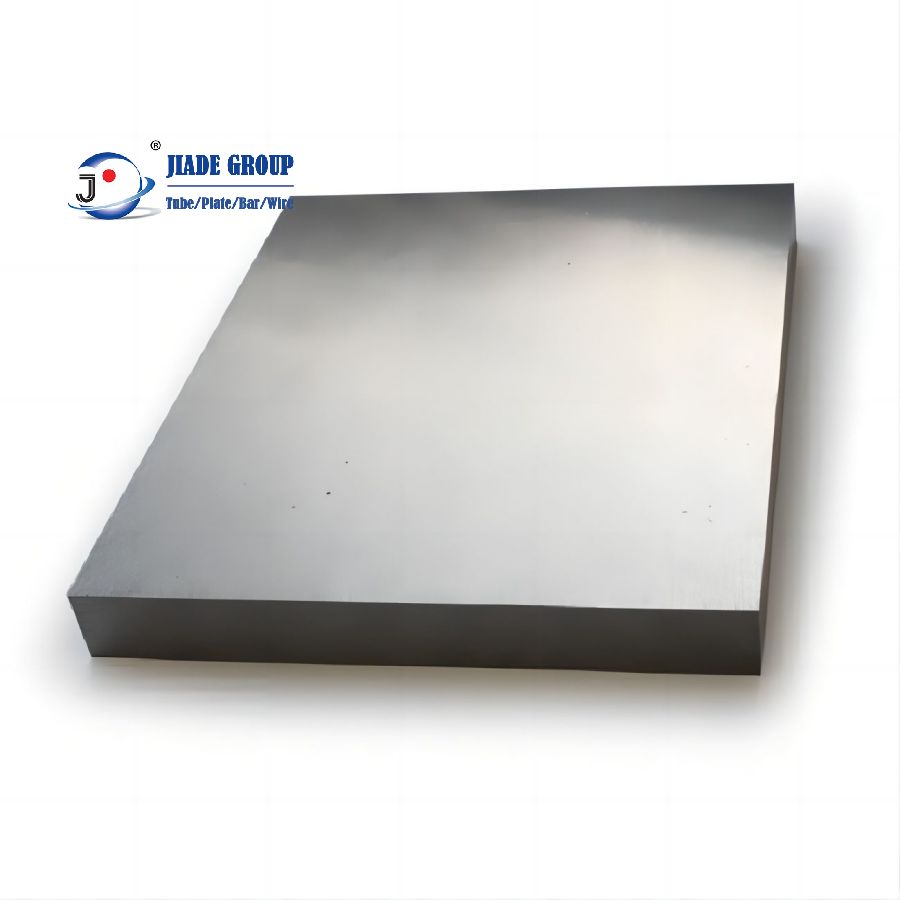
Choose Titanium Grade 2 when:
Choose Titanium Grade 5 when:
While Grade 5 commands a premium price due to its enhanced properties, the total cost of ownership may favor Gr5 in applications where weight savings translate to significant operational benefits or where increased durability reduces maintenance costs.
Titanium Gr2 and Gr5 serve diverse industries worldwide, from aerospace to marine engineering. Their unique properties enable innovative solutions across multiple sectors where conventional materials fall short.
Grade 5 titanium dominates aircraft structural components, engine parts, and fasteners. Grade 2 finds applications in secondary structures and corrosion-resistant fittings where weight savings are valuable but extreme strength isn't required.
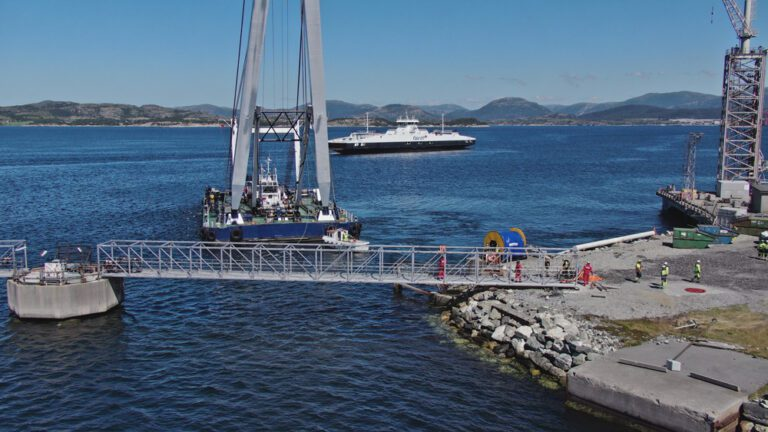
Both grades excel in marine environments. Grade 2 is preferred for heat exchangers, piping systems, and hull components exposed to seawater. Grade 5 serves high-stress marine applications like propeller shafts and pump components.
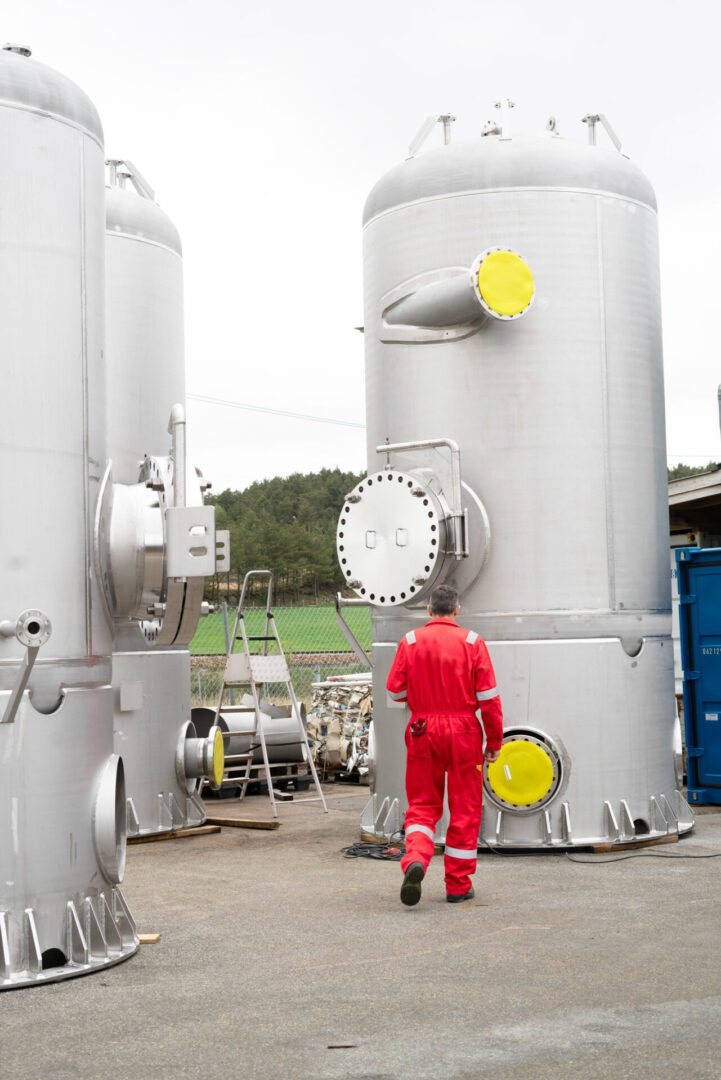
Grade 2 titanium handles aggressive chemical environments including chlorine, chlorides, and oxidizing acids. It's extensively used in reactor vessels, heat exchangers, and piping systems for chemical plants.
Grade 5 titanium is the standard for orthopedic implants, surgical instruments, and dental applications due to its biocompatibility and fatigue resistance. Grade 2 serves medical equipment housings and tooling.
Both grades are essential for upstream and downstream applications. Grade 5 is used in downhole tools and high-pressure valves, while Grade 2 serves corrosion-prone pipeline components and wellhead equipment.
Titanium grades support nuclear, thermal, and renewable energy applications. Grade 2 is common in condenser tubes and cooling systems, while Grade 5 serves turbine components and high-temperature applications.
Procurement teams often face specific challenges when sourcing titanium Gr2 and Gr5 materials. Understanding these common issues helps streamline the purchasing process and avoid costly mistakes.
Ensuring authentic titanium grades can be challenging with counterfeit materials entering the supply chain. Buyers must request proper mill test certificates and verify chemical composition reports match ASTM specifications.
Titanium prices fluctuate based on raw material costs, market demand, and geopolitical factors. Long-term contracts and strategic inventory planning help mitigate price volatility risks.
Titanium production cycles can extend delivery timelines. Early order placement and clear communication about lead times prevent production delays and maintain supply chain continuity.
Misunderstanding grade designations or specification requirements leads to incorrect material orders. Clear technical communication between engineering and procurement teams prevents specification errors.
Use this comprehensive checklist to evaluate titanium grade selection and supplier qualifications. Following this systematic approach ensures optimal material choice and reliable supply chain partnerships.
Partnering with experienced titanium manufacturers ensures consistent quality, competitive pricing, and reliable delivery. We recommend evaluating suppliers based on proven expertise, quality systems, and global service capabilities.
With over 15 years of experience in titanium manufacturing, JIADE Group offers comprehensive titanium Gr2 and Gr5 solutions. Their modern facility produces materials meeting ASTM, AMS, and EN standards with complete traceability and certification support.
Key Advantages: Advanced production facilities, extensive industry experience, comprehensive quality assurance, global logistics network
Look for suppliers with dedicated titanium processing capabilities, including melting, forging, rolling, and finishing operations. Integrated manufacturers offer better quality control and competitive pricing compared to trading companies.
Selection Tips: Verify production capabilities, review case studies, assess technical support resources, and confirm international compliance certifications
Get answers to common questions about titanium Grade 2 and Grade 5 selection, properties, and applications. Our technical experts provide detailed insights to help you make informed procurement decisions.
The primary difference lies in their composition and resulting properties. Grade 2 is commercially pure titanium (~99% Ti) offering excellent corrosion resistance and formability. Grade 5 is an alpha-beta alloy (Ti-6Al-4V) providing significantly higher strength while maintaining good corrosion resistance. Gr5 has approximately 3x the tensile strength of Gr2.
Both grades perform excellently in marine environments. Grade 2 is preferred for general marine structures, heat exchangers, and piping due to its superior corrosion resistance and lower cost. Grade 5 is chosen for high-stress marine components like propeller shafts, pump impellers, and fasteners where strength is critical.
Yes, Grade 2 titanium is exceptionally weldable using all common welding processes including TIG, MIG, and electron beam welding. Its pure composition minimizes welding defects and produces joints with mechanical properties comparable to the base metal. Proper shielding gas protection during welding is essential.
Grade 5 titanium maintains excellent mechanical properties up to approximately 400°C (750°F). It's commonly used in aerospace engines and aircraft structures operating at elevated temperatures. For applications above 400°C, specialized titanium alloys or other high-temperature materials should be considered.
Grade 5 costs more due to additional alloying elements (aluminum and vanadium), more complex melting and processing requirements, and higher demand in aerospace and medical markets. The enhanced mechanical properties justify the premium for applications requiring high strength-to-weight ratios.
Both grades are available in sheets, plates, bars, rods, wires, tubes, and pipes. Grade 2 is commonly found in sheet and plate form for chemical processing equipment. Grade 5 is frequently supplied as bar, rod, and forged components for aerospace and medical applications.
Related Products List
Contact Us

Privacy statement: Your privacy is very important to Us. Our company promises not to disclose your personal information to any external company with out your explicit permission.
Fill in more information so that we can get in touch with you faster
Privacy statement: Your privacy is very important to Us. Our company promises not to disclose your personal information to any external company with out your explicit permission.