


Send Message
Privacy statement: Your privacy is very important to Us. Our company promises not to disclose your personal information to any external company with out your explicit permission.



Stainless steel checkered plate, also known as tread plate or diamond plate, is a type of metal sheet featuring a raised pattern—typically diamonds, teardrops, or stags—stamped into its surface during manufacturing.
This textured design serves a dual purpose: it provides exceptional slip resistance for safety applications while maintaining the aesthetic appeal and corrosion resistance inherent to stainless steel. For procurement professionals, this material represents a critical intersection of functional safety compliance and durable architectural finishing.
The most common grades used include AISI 304 and AISI 316. Grade 304 offers excellent general corrosion resistance and is suitable for indoor environments and mild outdoor conditions. Grade 316, enriched with molybdenum, provides superior resistance to chlorides and acidic environments, making it the preferred choice for marine, chemical processing, and coastal infrastructure projects.
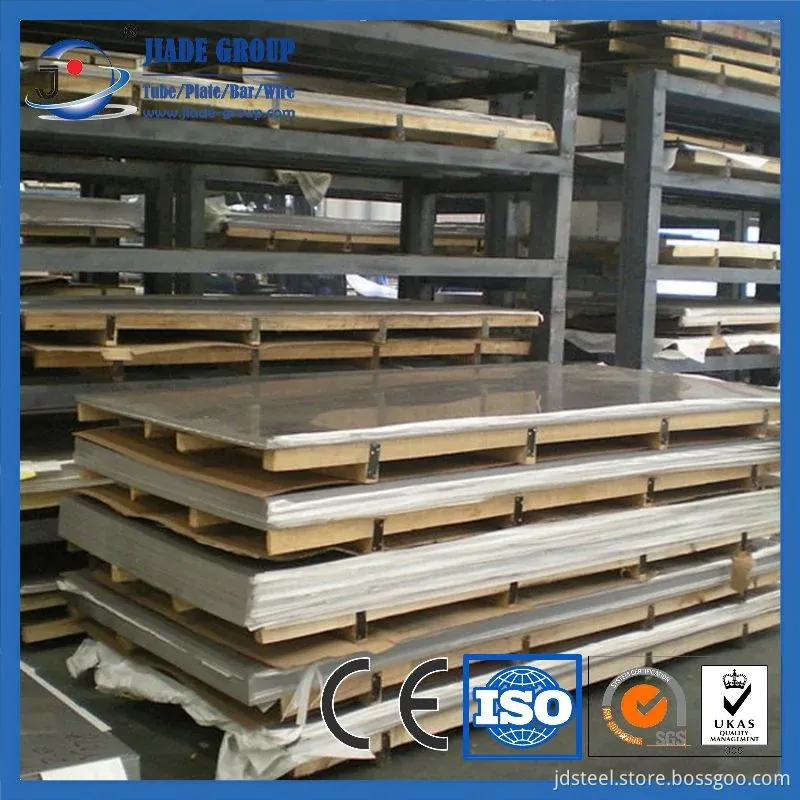
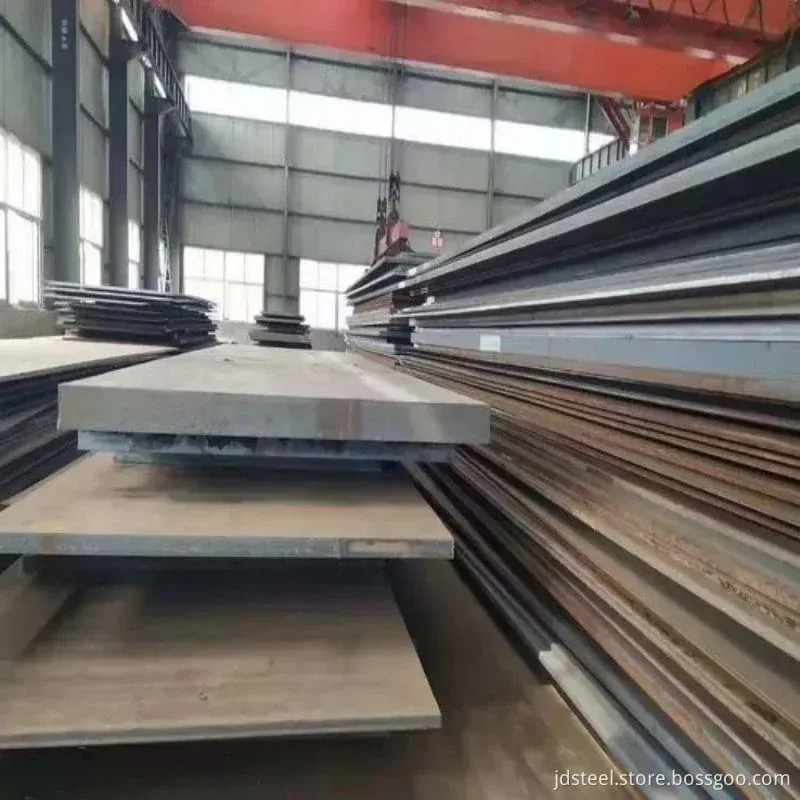
Our manufacturing process utilizes advanced hot and cold rolling mills to ensure consistent pattern depth and uniformity across every sheet. The embossing process is calibrated to maintain structural integrity without thinning the base material beyond specified tolerances.
We offer a range of surface finishes tailored to your application requirements:
Every batch of stainless steel checkered plate is accompanied by a Mill Test Certificate (MTC) confirming chemical composition and mechanical properties. This ensures full traceability from raw material sourcing to finished product delivery, reducing your risk of non-compliance.
Selecting the correct specification is vital for balancing cost, performance, and longevity. Here are the key factors procurement managers must evaluate:
For dry, interior environments, 304 stainless steel is cost-effective and sufficient. However, if your project involves exposure to moisture, salt spray, or chemicals, 316 grade is essential to prevent pitting and crevice corrosion, extending asset life significantly.
The Diamond Pattern is the most common for flooring and heavy-duty applications due to its high slip resistance. The Teardrop/Stag Pattern offers a lower profile, often used for wall cladding or elevator interiors where a more subtle texture is desired.
Standard thicknesses range from 1mm to 6mm. Ensure you specify the base thickness versus the total thickness including the pattern rise. Industrial applications typically require thicker gauges (3mm+) to withstand dynamic loads and impact.
Stainless steel checkered plate is ubiquitous in industries where safety, hygiene, and durability are non-negotiable. Its versatility allows it to serve both structural and decorative roles.
Widely used for truck bed linings, trailer flooring, stair treads, and walkways. The anti-slip properties reduce workplace accidents, while the material’s strength supports heavy vehicular loads.
The non-porous surface of stainless steel prevents bacterial growth and allows for easy cleaning with harsh sanitizers. It is the standard material for kitchen flooring, meat processing plants, and brewery walkways.
Used for exterior cladding, elevator doors, handrails, and balustrades. The combination of modern aesthetics and weather resistance makes it a favorite for public buildings and high-end commercial spaces.
Before finalizing your purchase order, verify these critical parameters to avoid costly errors and ensure the material meets your project specifications.
Procuring stainless steel checkered plate comes with specific challenges. Understanding these pitfalls helps you mitigate risk and secure better value.
Risk: Uneven embossing leads to poor slip resistance and aesthetic defects.
Solution: Request sample sheets before bulk ordering. Use a depth gauge to verify consistency across multiple points on the sheet.
Risk: Using 304 grade in salty air leads to rapid rusting and premature failure.
Solution: Always specify 316(L) grade for coastal or marine applications. Verify molybdenum content in the MTC (2-3%).
Risk: Wavy or warped sheets cause installation delays and structural instability.
Solution: Specify flatness tolerances (e.g., ±3mm per meter) in the contract. Inspect incoming goods immediately upon arrival.
Risk: Visible scratches degrade the appearance, especially on polished finishes.
Solution: Ensure sheets are wrapped in protective plastic film. Handle with care using nylon slings, not steel cables.
As a leading manufacturer and exporter of steel products since 2005, Shaanxi Jiade Group offers distinct advantages for buyers of stainless steel checkered plate.
With a 200,000 sqm factory and an annual output capacity of 600,000 tons, we can fulfill large-scale orders consistently, ensuring on-time delivery for your projects.
We produce seamless pipes, ERW/LSAW pipes, and various steel profiles alongside checkered plates. This one-stop capability simplifies your supply chain and reduces logistics complexity.
Our products comply with API 5L, GB, ASTM, ANSI, DIN, and JIS standards. We provide full documentation support, easing customs clearance and regulatory approval in your country.
The primary difference lies in corrosion resistance. 304 stainless steel contains 18% chromium and 8% nickel, offering good resistance to general corrosion. 316 stainless steel adds 2-3% molybdenum, which significantly enhances resistance to chlorides (salt) and acids. For outdoor, marine, or chemical environments, 316 is recommended to prevent pitting and rust.
Due to the raised pattern, the actual weight is higher than a flat sheet of the same base thickness. A common approximation is to add 5-10% to the weight of a flat plate. For precise calculations, use the formula:
Weight (kg) = Length (m) × Width (m) × Thickness (mm) × Density (7.93 for 304). Note that density may vary slightly based on the specific alloy and pattern depth.
Yes, it can be welded using standard techniques such as TIG (GTAW) or MIG (GMAW). However, welding may damage the surface pattern and create heat tint. Post-weld grinding and polishing are often required to restore the aesthetic appearance and corrosion resistance of the affected area.
Standard sheet sizes typically include 1000mm x 2000mm, 1220mm x 2440mm, and 1500mm x 3000mm. Custom sizes can be cut to order. Thicknesses usually range from 1.5mm to 6mm for general applications, with thicker plates available for heavy-duty industrial use.
While highly durable, it is not entirely maintenance-free. Regular cleaning with mild soap and water helps maintain its appearance. In harsh environments, periodic inspection for scratches or damage to the passive oxide layer is recommended to ensure long-term corrosion resistance.
Related Products List
Contact Us

Privacy statement: Your privacy is very important to Us. Our company promises not to disclose your personal information to any external company with out your explicit permission.
Fill in more information so that we can get in touch with you faster
Privacy statement: Your privacy is very important to Us. Our company promises not to disclose your personal information to any external company with out your explicit permission.