


Send Message
Privacy statement: Your privacy is very important to Us. Our company promises not to disclose your personal information to any external company with out your explicit permission.


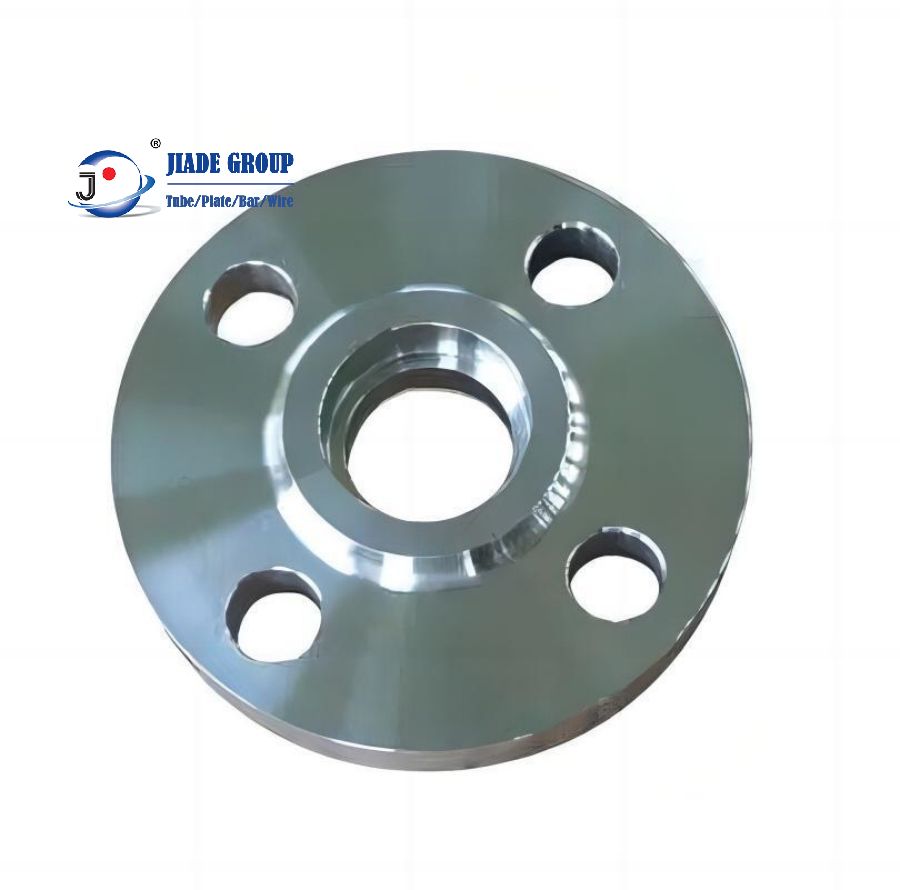
A stainless steel weld neck flange is a precision-engineered piping component designed to create high-integrity, leak-proof connections in critical industrial systems. Unlike slip-on or blind flanges, the weld neck design features a long tapered hub that transitions smoothly into the pipe.
This specific geometry is not just a manufacturing detail—it serves a vital engineering function. The tapered hub reduces stress concentration at the weld joint, making it the preferred choice for high-pressure, high-temperature, and cryogenic applications where structural integrity is non-negotiable.
For procurement managers, understanding this distinction is crucial. Specifying the correct flange type prevents premature failure, reduces maintenance downtime, and ensures compliance with strict industry standards like ASTM A182 and ASME B16.5.
At Shaanxi Jiade Group Co., Ltd, quality is embedded in our manufacturing process from raw material sourcing to final inspection. As a manufacturer founded in 2005, we operate a modern facility covering 200,000 square meters, ensuring consistent production capacity of up to 600,000 tons annually.
Our stainless steel weld neck flanges are produced in strict compliance with international standards including ASTM, ANSI, DIN, JIS, and GB. This multi-standard capability allows us to support global procurement needs without compromising on technical specifications.
Every batch undergoes rigorous testing protocols. We utilize advanced metallurgical analysis to verify material composition, ensuring that our stainless steel flanges meet the exact grade requirements specified by your project engineers.

Selecting the correct weld neck flange requires balancing technical performance with total cost of ownership. Here are the critical factors procurement teams should evaluate:
Common grades include 304, 304L, 316, and 316L. For general corrosive environments, 304 series offers excellent value. For chemical processing or marine applications requiring superior chloride resistance, 316 series is the standard choice.
Flanges are rated by pressure classes (150#, 300#, 600#, etc.). Ensure the selected rating matches your system's maximum operating pressure at peak temperatures. Underspecifying leads to leaks; overspecifying increases unnecessary landed costs.
Verify whether your project requires ANSI/ASME B16.5 (North American standard) or EN 1092-1 (European standard). Mixing standards can cause installation failures and costly project delays.
Use this checklist during supplier evaluation to mitigate risk and ensure you receive products that meet your technical requirements.
The robust design of weld neck flanges makes them indispensable across heavy industries where system reliability directly impacts operational safety and profitability.
Used in upstream extraction and downstream refining for handling high-pressure hydrocarbons and corrosive sour gas environments.
Essential for connecting reactors, columns, and storage tanks where chemical resistance prevents contamination and equipment degradation.
Critical in boiler feedwater systems, steam lines, and cooling circuits where thermal cycling demands superior fatigue resistance.
Ideal for desalination plants and wastewater facilities requiring long-term durability against chlorides and biological agents.
Deployed in shipbuilding and offshore platforms where saltwater exposure necessitates premium-grade stainless steel materials.
Supports sanitary piping systems requiring smooth surfaces and easy cleanability for sterile product handling.
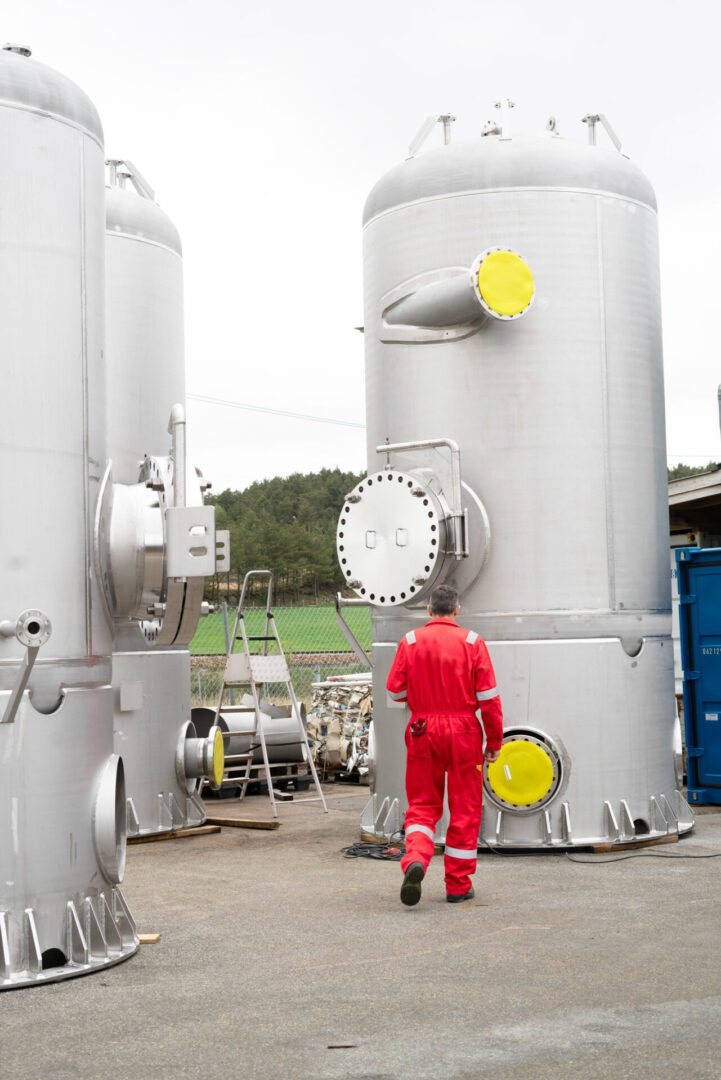
When evaluating suppliers for bulk flange procurement, consider these strategic advantages that differentiate established manufacturers from trading companies.
With an annual output of 600,000 tons, we guarantee supply continuity even for large-scale infrastructure projects. No more worrying about allocation shortages during peak demand periods.
Nearly two decades of experience in steel manufacturing means we understand the nuances of stainless steel behavior under stress. You benefit from our accumulated technical knowledge and refined processes.
We produce to API, ASTM, ANSI, DIN, JIS, and GB standards. This flexibility simplifies your qualification process when working with international engineering firms or diverse project specifications.
Common questions from procurement professionals regarding stainless steel weld neck flange specifications, ordering, and logistics.
Weld Neck (WN) flanges feature a tapered hub that provides superior strength and stress distribution, making them suitable for high-pressure and critical services. Slip-On (SL) flanges slide over the pipe and are welded on both sides, offering easier alignment but lower structural integrity. For main process pipelines, WN is generally recommended.
The most frequently ordered grades are 304/304L for general corrosion resistance, 316/316L for enhanced chloride resistance (ideal for marine or chemical environments), and 321 for high-temperature applications. Our facility produces all these grades in accordance with ASTM A182 specifications.
Lead times vary based on volume, material availability, and certification requirements. Standard sizes in common grades may be available from stock for faster delivery. Custom orders typically require 15-30 days for production, depending on the order quantity and testing protocols required.
Yes, every shipment includes comprehensive Material Test Certificates (MTC) conforming to EN 10204 Type 3.1 or 3.2 upon request. These documents verify chemical composition, mechanical properties, and compliance with the specified standards.
Absolutely. We welcome inspections from recognized third-party agencies such as SGS, BV, or CCIC. Our quality management system is designed to facilitate smooth inspection processes, ensuring minimal disruption to production schedules.
Related Products List
Contact Us

Privacy statement: Your privacy is very important to Us. Our company promises not to disclose your personal information to any external company with out your explicit permission.
Fill in more information so that we can get in touch with you faster
Privacy statement: Your privacy is very important to Us. Our company promises not to disclose your personal information to any external company with out your explicit permission.