


Send Message
Privacy statement: Your privacy is very important to Us. Our company promises not to disclose your personal information to any external company with out your explicit permission.



Stainless steel wire is a versatile metal product manufactured from corrosion-resistant stainless steel alloys. It is formed through drawing processes to achieve precise diameters and mechanical properties. This material is essential for industries requiring high strength, durability, and resistance to harsh environments.
JIADE Group specializes in producing high-quality stainless steel materials that meet international standards. Our expertise ensures that every coil or length of wire delivers consistent performance for your specific application needs.
Our manufacturing facility spans 200,000 square meters with an annual output capacity of up to 600,000 tons. We adhere to strict quality control measures including API 5L PSL1/PSL2, GB, ASTM, ANSI, DIN, and JIS standards.
With over 400 employees and fixed assets of 120 million USD, we maintain rigorous testing protocols for every batch. This ensures that the stainless steel wire you receive meets exact specifications for tensile strength, hardness, and surface finish.
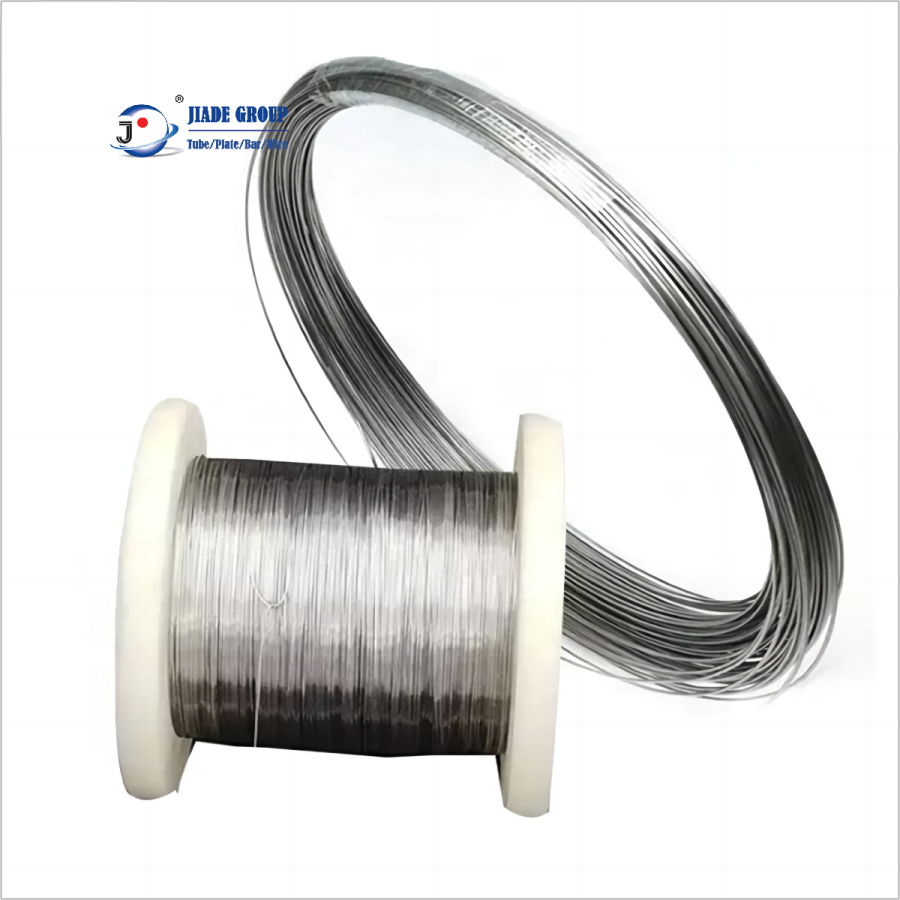
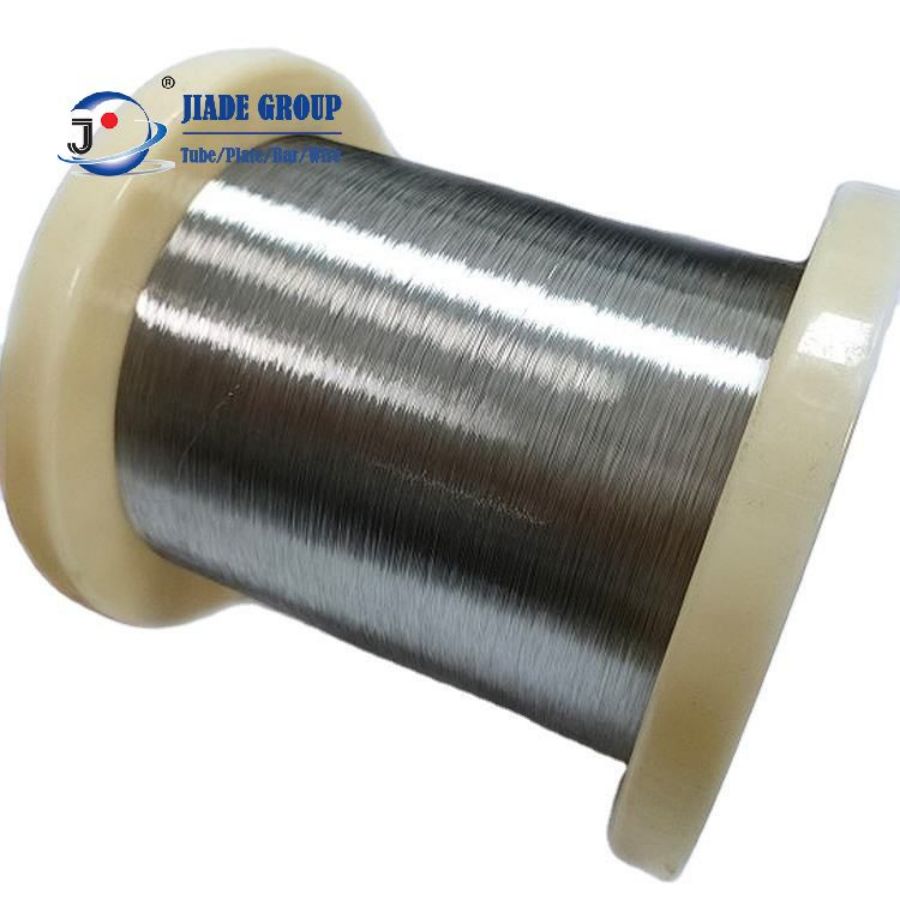
Selecting the correct stainless steel wire grade depends on your application's environmental conditions, mechanical requirements, and budget. Common grades include 304, 316, and 410, each offering different levels of corrosion resistance and strength.
Consider factors such as temperature exposure, chemical contact, and required flexibility. Our technical team can assist in identifying the optimal alloy composition to ensure longevity and performance in your specific project.
Our stainless steel wire serves diverse sectors, providing reliable performance in demanding environments. From construction to healthcare, our products are trusted for their durability and precision.
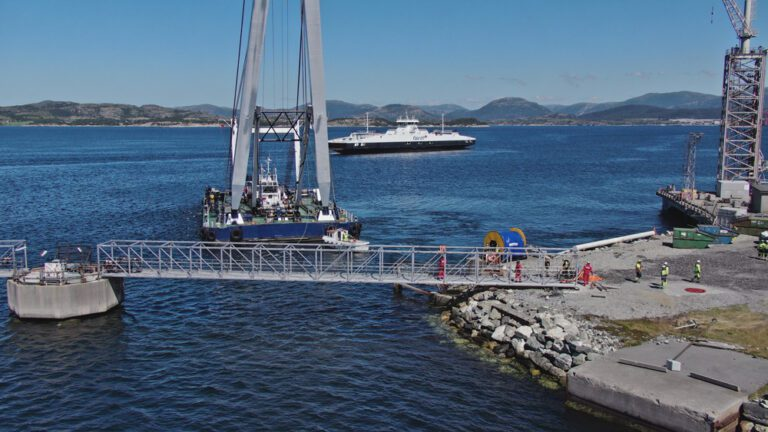
Used in cable stays, reinforcement, and structural components where high tensile strength and weather resistance are critical.
Essential for downhole tools, instrumentation cables, and safety barriers in corrosive oil and gas environments.
Biocompatible grades used in surgical instruments, implants, and sterilization equipment due to hygiene and strength.
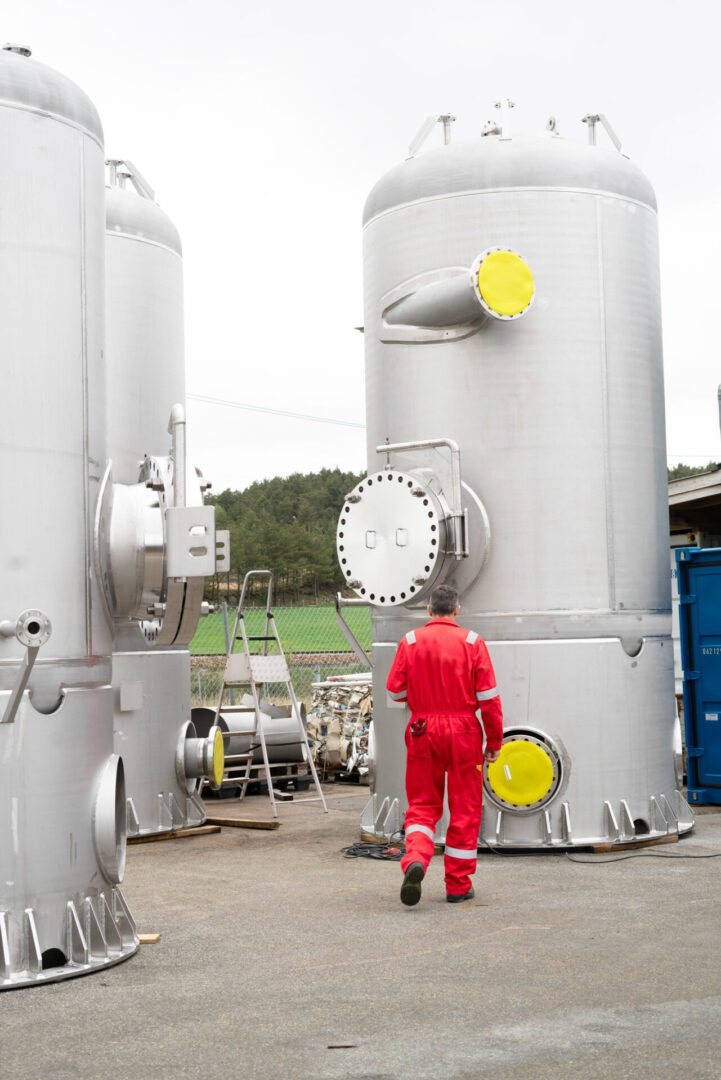
Resists aggressive chemicals and acids, making it ideal for filtration systems and reactor components.
Used in exhaust systems, braking cables, and springs where heat resistance and fatigue strength are required.
Supports renewable energy installations, including solar mounting systems and wind turbine components.
Use this checklist to evaluate suppliers and ensure you select the right product for your procurement needs.
As a leading manufacturer with nearly two decades of experience, JIADE Group offers integrated solutions for steel materials. Our 200,000 square meter facility enables us to handle large-volume orders with consistent quality.
We prioritize transparency, competitive pricing, and technical support throughout your procurement journey. Our global export experience ensures smooth logistics and compliance with international standards.
Understanding common pitfalls helps buyers avoid costly mistakes and ensure successful transactions.
Problem: Using incorrect grade for the environment leads to premature failure.
Solution: Match alloy grade to service conditions. Consult technical experts for guidance on marine or chemical exposures.
Problem: Variations in diameter cause assembly failures in precision applications.
Solution: Specify tight tolerances and request pre-shipment inspection reports.
Problem: Inadequate supplier capacity leads to missed deadlines.
Solution: Partner with manufacturers who have proven capacity and buffer stock for common grades.
Problem: Missing certificates complicate customs clearance and audits.
Solution: Require comprehensive documentation including MTC, origin certificates, and compliance statements upfront.
The most widely used grades are 304 (general purpose), 316 (corrosion resistant), and 410 (martensitic). Grade selection depends on your specific requirements for strength, formability, and environmental resistance.
Minimum order quantities vary by specification and size. We work with buyers to accommodate both trial orders and large-scale contracts, leveraging our 600,000-ton annual capacity to serve diverse needs.
Yes, we offer customized dimensions including diameter, temper, and packaging options. Our production lines can adjust to meet specific customer requirements within standard manufacturing capabilities.
Our products comply with international standards including ASTM, ANSI, DIN, JIS, and GB. We provide Mill Test Certificates (MTC) with every shipment, documenting chemical composition and mechanical properties.
We implement multi-stage quality checks including raw material inspection, in-process monitoring, and final product testing. Our 400+ employee workforce includes dedicated quality assurance personnel at every production stage.
Standard items typically ship within 15-20 days. Custom specifications may require 25-35 days depending on complexity. Our large inventory of base materials allows faster turnaround for common grades.
Related Products List
Contact Us

Privacy statement: Your privacy is very important to Us. Our company promises not to disclose your personal information to any external company with out your explicit permission.
Fill in more information so that we can get in touch with you faster
Privacy statement: Your privacy is very important to Us. Our company promises not to disclose your personal information to any external company with out your explicit permission.