
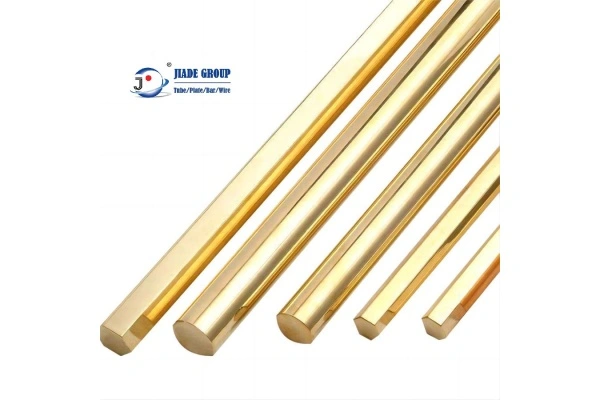
alloy copper bar

What Is Alloy Copper Bar?

Alloy copper bar is a specialized metal profile engineered by combining pure copper with elements like zinc, tin, nickel, or aluminum to enhance its mechanical and chemical properties. Unlike standard copper bars, alloy variants offer superior tensile strength, corrosion resistance, and thermal conductivity, making them the preferred choice for high-performance industrial applications.

High Conductivity Maintains efficient heat and electrical transfer while increasing durability.
Corrosion Resistant Withstands harsh environments, reducing maintenance costs over time.
Precision Milled CNC-ready surfaces ensure fast processing and consistent batch quality.

For procurement teams sourcing materials for heavy machinery, electrical systems, or marine engineering, selecting the correct alloy copper bar supplier is critical. The right material selection directly impacts your final product's lifespan and operational efficiency.

Quality Standards in Alloy Copper Bar Manufacturing

Quality control process for alloy copper bar manufacturing

Manufacturing Capabilities

JIADE Group operates a modern factory covering 200,000 square meters with an annual output capacity of up to 600,000 tons. Our facility utilizes advanced extrusion and rolling technologies to produce alloy copper bars that meet strict international tolerances.

Certification Compliance

Our production lines are certified to comply with ASTM, ANSI, DIN, JIS, and GB standards. We provide mill test certificates (MTC) with every shipment, verifying chemical composition and mechanical properties to ensure traceability and risk reduction for global buyers.

Material Integrity

We employ rigorous incoming raw material inspections and in-process quality checks. This ensures that every alloy copper bar delivered meets the exact specification required for your application, whether it be for busbars, heat exchangers, or structural components.
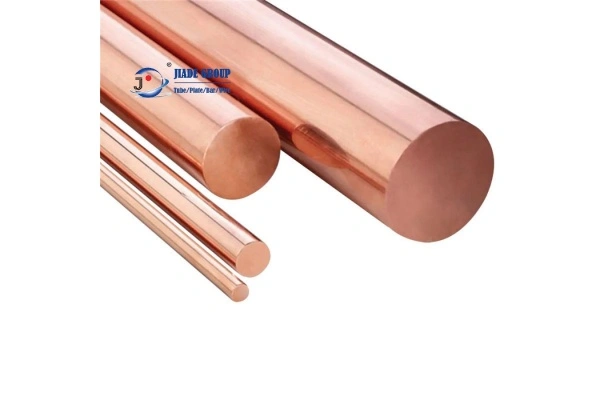
How to Choose the Right Alloy Copper Bar

Identify Your Application Requirements

Not all copper alloys are created equal. The first step in sourcing is defining the primary function of your component. Are you prioritizing electrical conductivity for power distribution, or mechanical strength for load-bearing structures? Common grades include C11000 (Electrolytic Tough Pitch), C14500 (Silver-Bearing), and various brass or bronze alloys depending on the specific industry needs.

Evaluate Surface Finish and Tolerances

The cost of machining can often exceed the cost of the raw material. Choosing a supplier who offers pre-milled, deburred, and straightened bars can significantly lower your landed cost and speed up your time-to-market. Look for suppliers who guarantee flatness and perpendicularity within tight tolerances.

Verify Supply Chain Stability

Ensure your supplier has the capacity to handle large volumes consistently. A manufacturer with a fixed asset of over $120 million and a workforce of 400+ employees, like JIADE Group, demonstrates the financial stability and scale necessary to support long-term procurement contracts without supply interruptions.

Selection guide for alloy copper bar specifications

Buyer Decision Checklist for Alloy Copper Bars

Use this checklist to evaluate potential suppliers and minimize procurement risks when ordering alloy copper bars for your business.

Technical Verification

Chemical Composition: Does the material report match the requested grade (e.g., C110, C145)?
Mechanical Properties: Are tensile strength and hardness values within spec?
Surface Quality: Check for cracks, seams, or excessive oxidation.

Supplier Capability

Production Capacity: Can they fulfill your volume requirements on time?
Export Experience: Do they have a track record of shipping to your region?
Documentation: Will they provide full Mill Test Certificates (MTC)?

Common Problems When Sourcing Alloy Copper Bars

Procurement professionals often encounter specific challenges when importing metal profiles. Being aware of these common pitfalls helps you negotiate better terms and avoid costly delays.

Dimensional Inaccuracy

Bars arriving with incorrect cross-sections or lengths can halt production lines. Always specify tolerance bands clearly and request pre-shipment inspection reports.

Surface Oxidation

Improper packaging during ocean freight can lead to corrosion. Ensure your supplier uses waterproof wrapping and desiccants for sea shipment protection.

Grade Substitution

Unscrupulous sellers may substitute cheaper alloys for premium ones. Rely only on verified manufacturers with transparent supply chains and third-party testing options.

Why Partner With JIADE Group for Alloy Copper Bars

When evaluating alloy copper bar suppliers, look for a partner that combines massive production scale with specialized expertise. JIADE Group stands out as a reliable source for global buyers.

Massive Production Scale

With a 200,000 sqm factory and 600,000 tons annual capacity, we ensure consistent supply even for large-scale projects. This scale allows us to absorb raw material price fluctuations more effectively than smaller traders.

Diverse Material Expertise

As a specialist in steel, copper, and special alloys, we offer one-stop sourcing convenience. You can consolidate your procurement of alloy copper bars alongside other structural metals from a single point of contact.

Global Standards Compliance

Our products comply with API, ASTM, ANSI, DIN, JIS, and GB standards. This flexibility ensures our materials meet the regulatory requirements of North America, Europe, Asia, and beyond.

Financial Stability

Backed by $120 million in fixed assets and operating since 2005, JIADE Group represents a low-risk, long-term partnership for your supply chain.

Frequently Asked Questions About Alloy Copper Bars

Answers to the most common questions from procurement managers regarding specifications, logistics, and ordering processes.

What are the standard sizes for alloy copper bars?

Standard sizes vary by manufacturer but typically include round bars ranging from 10mm to 300mm in diameter, and rectangular/square bars with widths from 20mm to 500mm. Custom dimensions can be produced upon request, though they may affect lead times.

How does JIADE Group ensure the quality of alloy copper bars?

We implement a multi-stage quality control process including raw material analysis, in-process monitoring during extrusion/rolling, and final surface inspection. Every batch is accompanied by a Mill Test Certificate (MTC) detailing chemical composition and mechanical properties.

What is the typical lead time for bulk orders?

For standard stock items, lead times are minimal. For custom sizes or large volume orders requiring production scheduling, typical lead times range from 15 to 30 days depending on the quantity and complexity. We recommend planning ahead to secure production slots.

Can you provide samples before placing a bulk order?

Yes, sample availability depends on current stock levels. Samples are usually provided free of charge, though buyers typically cover shipping costs. This allows you to verify material quality and machinability before committing to a large purchase.

What packaging methods are used for sea freight?

To prevent corrosion during transit, alloy copper bars are packaged using waterproof plastic wrapping, steel strapping, and wooden pallets or crates. Desiccants are included to manage humidity inside the container.

We will contact you immediately

Fill in more information so that we can get in touch with you faster

Privacy statement: Your privacy is very important to Us. Our company promises not to disclose your personal information to any external company with out your explicit permission.

Send