


Send Message
Privacy statement: Your privacy is very important to Us. Our company promises not to disclose your personal information to any external company with out your explicit permission.

A copper busbar is a metal bar or strip used to efficiently conduct electricity within an electrical distribution system. Acting as the central nervous system of power distribution, these copper bars connect main incoming lines to sub-distribution circuits, ensuring reliable energy flow across industrial, commercial, and residential installations.
When sourcing high-performance copper busbars, buyers need materials that guarantee low resistance, high conductivity, and long-term durability. JIADE Group specializes in manufacturing premium copper busbars designed to meet international standards including ASTM B-115, GB/T 5585, and IEC 60439. Our products are engineered to handle high current loads while minimizing energy loss during transmission.
Copper remains the preferred material for busbar applications due to its exceptional electrical conductivity—second only to silver among common metals. This translates directly to lower operating temperatures, reduced energy costs, and extended equipment lifespan for your electrical infrastructure projects.
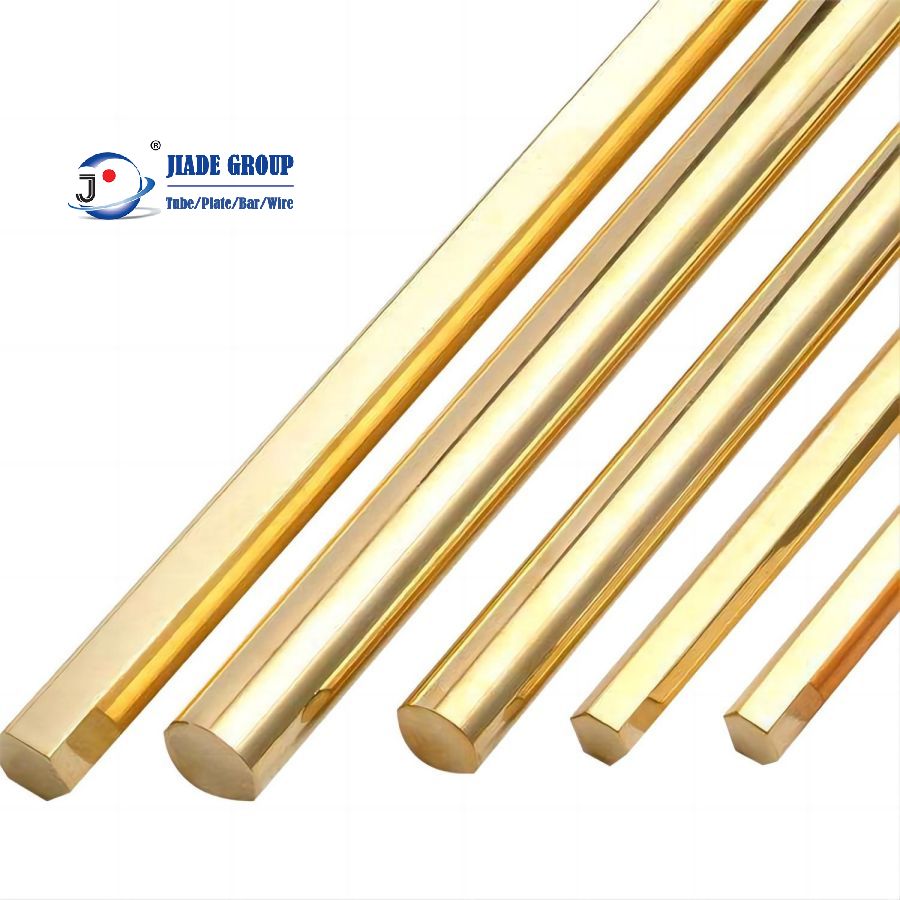
At JIADE Group, our copper busbar manufacturing process follows rigorous quality control protocols to ensure every product meets exacting international standards. Founded in 2005, we operate a modern facility covering 200,000 square meters with over 400 skilled employees dedicated to producing premium copper materials.
Our state-of-the-art production line utilizes advanced rolling, annealing, and surface treatment technologies. Each batch undergoes comprehensive testing including conductivity measurements, tensile strength analysis, and dimensional verification before shipment. This commitment to quality ensures your copper busbar suppliers deliver consistent performance across all applications.
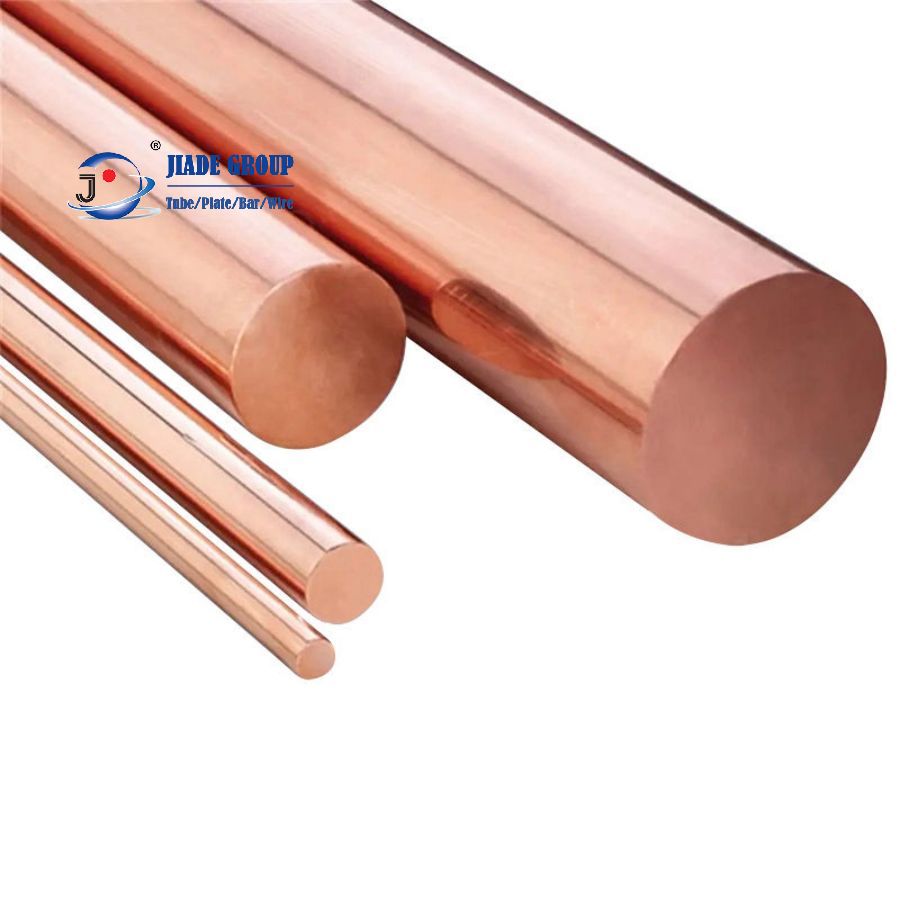
We source only premium-grade electrolytic copper cathodes with minimum 99.9% purity. Each incoming batch receives spectrographic analysis to verify chemical composition before entering production.
Multi-stage hot and cold rolling processes achieve precise thickness tolerances within ±0.05mm. CNC punching and bending ensure accurate dimensions for seamless integration into your electrical assemblies.
Tinning, silver plating, or nickel coating options protect against oxidation while maintaining optimal conductivity. Surface treatments are applied uniformly using automated electroplating systems.
All copper busbars comply with internationally recognized standards:
Every production batch undergoes comprehensive quality assurance testing:
Selecting the appropriate copper busbar specifications requires careful consideration of your electrical system requirements, environmental conditions, and installation constraints. As a trusted copper busbar manufacturer, JIADE Group provides expert guidance to help you make informed procurement decisions.
Determine the maximum continuous current your system will carry. Busbar cross-sectional area directly impacts current-carrying capacity. Undersized busbars cause excessive heating, while oversized designs increase material costs unnecessarily.
Busbar selection depends on system voltage—low voltage (up to 1kV), medium voltage (1kV-35kV), or high voltage applications. Insulation spacing and creepage distances must match voltage requirements for safety compliance.
Indoor installations may use bare copper, while outdoor or corrosive environments require protective coatings. Consider humidity, temperature extremes, chemical exposure, and vibration levels when selecting busbar type and finish.
Available configurations include rectangular, L-shaped, T-shaped, and custom profiles. Standard thicknesses range from 2mm to 25mm. Lengths can be customized to fit specific panel layouts and space constraints.
Most common configuration. Offers excellent heat dissipation and easy mounting. Ideal for switchgear, transformers, and distribution panels.
Perfect for corner connections and spatial optimization. Reduces connection points and minimizes impedance in complex routing scenarios.
Enables multi-branch connections from a single busbar run. Simplifies wiring architecture and reduces installation time significantly.
Use this comprehensive checklist when evaluating copper busbar suppliers to ensure you select a reliable partner who can meet your quality, delivery, and technical requirements. JIADE Group excels in every category below.
Finding a reliable copper busbar supplier is critical for maintaining consistent supply chains and product quality. Based on industry reputation, manufacturing capability, and proven track record, here are recommended sourcing strategies and supplier profiles to consider.
Choose suppliers with vertical integration—from raw material processing through final surface treatment. Companies like JIADE Group control every production stage, ensuring consistent quality and competitive pricing through economies of scale.
Key benefit: Reduced lead times, better quality control, and lower landed costs through direct manufacturing.
Prioritize suppliers with extensive export experience and established international logistics networks. Look for companies familiar with Incoterms, customs documentation, and international shipping requirements to streamline your procurement process.
Key benefit: Smooth import procedures, reliable delivery schedules, and professional communication throughout the order lifecycle.
Select partners who offer technical consultation and application engineering support. The best suppliers help you optimize busbar design for your specific electrical requirements, preventing over-engineering and unnecessary expenses.
Key benefit: Optimized solutions that balance performance with cost-effectiveness, reducing total project expenditure.
Verify suppliers maintain recognized quality certifications such as ISO 9001. Regular third-party audits and documented quality procedures demonstrate commitment to consistent product standards and continuous improvement.
Key benefit: Reduced risk of defective shipments, fewer quality disputes, and greater confidence in supplier reliability.
With nearly two decades of manufacturing excellence, JIADE Group combines massive production capacity with personalized buyer support. Our 200,000 square meter facility houses advanced copper processing equipment, and our dedicated export team ensures seamless international transactions.
Proven track record: Supplying copper materials to major infrastructure projects across multiple continents, with documented satisfaction rates exceeding 98% among international buyers.
Understanding common pitfalls in copper busbar procurement helps buyers avoid costly mistakes. Here are frequent issues encountered during sourcing, along with practical solutions to mitigate risks and ensure successful purchases.
Problem: Some suppliers mix recycled copper with virgin material, resulting in variable conductivity that fails to meet specifications. This causes overheating and premature failure in electrical systems.
Solution: Require conductivity certificates and request independent lab testing. Source from manufacturers like JIADE Group who use only premium-grade raw materials with verified purity levels.
Problem: Busbars that don't meet specified thickness, width, or length tolerances create installation challenges and may not fit existing switchgear or panel configurations.
Solution: Specify tight tolerances in purchase orders and require pre-shipment dimensional inspection reports. Use CNC-manufactured busbars from facilities with precision quality control.
Problem: Poor surface finishing leads to accelerated oxidation, increased contact resistance, and potential arcing at connection points. Uneven tinning or plating creates weak spots in the protective layer.
Solution: Request surface treatment samples before bulk ordering. Specify plating thickness requirements and verify uniform coverage through visual and microscopic inspection.
Problem: Unreliable suppliers miss production deadlines, causing project delays and additional costs. Small workshops often lack the capacity to fulfill large orders on schedule.
Solution: Partner with established manufacturers having proven capacity. JIADE Group's 600,000-ton annual output and experienced logistics team ensure timely delivery for orders of any size.
Get answers to the most common questions buyers ask about copper busbar specifications, ordering, and installation. This FAQ addresses key concerns to help streamline your procurement decision-making process.
Standard rectangular copper busbars typically come in widths ranging from 10mm to 200mm and thicknesses from 2mm to 25mm. Common combinations include 15x2mm, 20x3mm, 25x5mm, 40x5mm, 50x5mm, and 60x8mm. Custom sizes are available upon request to match your specific electrical panel requirements. JIADE Group offers flexible customization to accommodate unique dimensional needs.
Standard copper busbar orders typically ship within 7-15 business days depending on quantity and specifications. Custom-shaped or specially treated busbars may require 15-25 business days. For urgent requirements, expedited production is available. JIADE Group's efficient production workflow and 200,000 square meter facility enable rapid turnaround without compromising quality.
Current rating depends on busbar cross-sectional area, ambient temperature, insulation type, and installation configuration. As a general guideline, a 1mm² copper cross-section can carry approximately 2-3 amps continuously. However, actual ratings vary based on cooling conditions. Our engineering team can provide precise ampacity calculations tailored to your specific application and environmental conditions.
Common surface treatments include tin plating (most popular), silver plating (for superior conductivity), nickel plating (for enhanced corrosion resistance), and painting or powder coating (for identification and protection). Bare copper is also available for indoor dry applications. JIADE Group offers all standard treatments with customizable thickness options to suit your operational environment.
Minimum order quantities vary by specification. Standard sizes typically have MOQs starting from 500kg, while custom profiles may require 1000kg minimum. However, JIADE Group works with buyers to accommodate smaller trial orders for new projects. Contact our sales team to discuss flexible ordering options that match your project scale and budget requirements.
Yes, but outdoor installations require appropriate surface protection. Tin-plated or silver-plated copper busbars provide adequate corrosion resistance for most outdoor environments. In highly corrosive coastal or industrial areas, consider nickel plating or specialized protective coatings. Ensure proper sealing at connection points to prevent moisture ingress and maintain electrical integrity.
Copper offers approximately 60% higher conductivity than aluminum, meaning smaller cross-sections can carry the same current. While aluminum costs less per kilogram, copper's superior conductivity often results in lower total system costs when factoring in reduced size, weight, and connection maintenance. Copper also has better thermal expansion characteristics and doesn't suffer from creep deformation under pressure.
Upon delivery, perform visual inspection for surface defects, measure dimensions with calipers and micrometers, verify conductivity using a portable tester, and check plating adhesion through tape tests. Request mill test certificates from the supplier confirming chemical composition, mechanical properties, and electrical performance. JIADE Group provides complete documentation with every shipment.
Related Products List
Contact Us

Privacy statement: Your privacy is very important to Us. Our company promises not to disclose your personal information to any external company with out your explicit permission.
Fill in more information so that we can get in touch with you faster
Privacy statement: Your privacy is very important to Us. Our company promises not to disclose your personal information to any external company with out your explicit permission.