


Send Message
Privacy statement: Your privacy is very important to Us. Our company promises not to disclose your personal information to any external company with out your explicit permission.



Industrial copper tube is a specialized piping solution engineered for high-performance applications in plumbing, HVAC, and industrial systems. Known for its exceptional thermal conductivity, natural antimicrobial properties, and long-term durability, copper tubing serves as a critical component in infrastructure that demands reliability and safety.
Superior Thermal Conductivity: Copper efficiently transfers heat, making it ideal for heat exchangers, refrigeration lines, and solar heating systems where energy efficiency is paramount.
Natural Antimicrobial Properties: Copper's oligodynamic effect inhibits the growth of bacteria, including Legionella, ensuring safer water distribution in residential and commercial plumbing projects.
Corrosion Resistance: High-quality industrial copper tubes withstand harsh environmental conditions and chemical exposure, reducing maintenance costs and extending system lifespan.
Flexibility & Strength: Copper tubing offers an optimal balance of malleability for easy installation and structural strength to handle high pressures without compromising integrity.
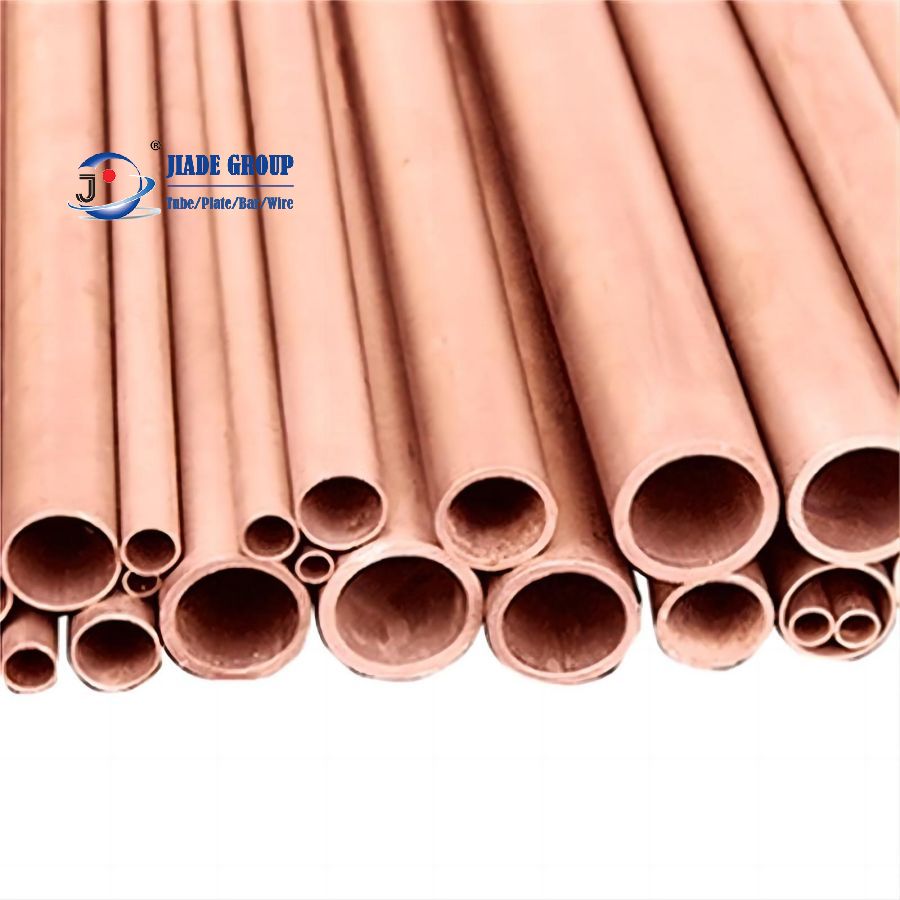
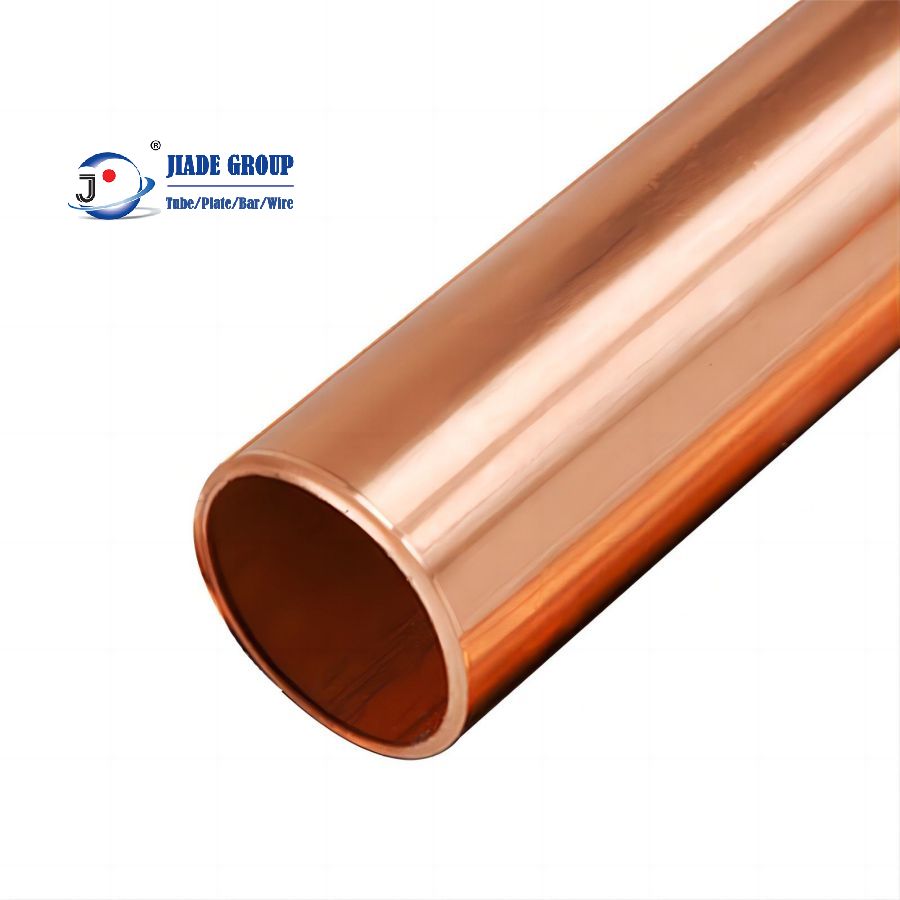
At Shaanxi Jiade Group Co., Ltd., we understand that consistent quality is non-negotiable in industrial procurement. Our manufacturing processes adhere to rigorous international standards to ensure every batch of copper tube meets exact specifications.
With over 400 employees and a fixed asset of 120 million USD, our modern factory leverages state-of-the-art production technology. We maintain strict control over raw material selection, extrusion parameters, and finishing processes.
Our copper tubes comply with ASTM, ANSI, DIN, JIS, and GB standards. We provide comprehensive mill test certificates (MTC) for every shipment, verifying chemical composition, mechanical properties, and dimensional accuracy.
Each production batch undergoes multiple quality checks:
Copper tubing is indispensable across diverse industries due to its unique combination of thermal, electrical, and mechanical properties. Understanding application requirements helps you select the right copper tube specifications for your project.
Copper tubes excel in air conditioning, refrigeration, and heat pump systems. Their excellent heat transfer properties and ability to withstand high pressures make them the preferred choice for refrigerant lines and condenser coils.
Residential and commercial plumbing systems rely on copper tubing for potable water distribution. Its antimicrobial properties and corrosion resistance ensure clean, safe water delivery while maintaining system longevity.
Chemical plants, power generation facilities, and manufacturing plants use copper tubes for fluid transport, heat exchangers, and instrumentation lines. Special alloys handle corrosive media and extreme temperatures.

Selecting the correct copper tube specification requires careful consideration of application requirements, environmental factors, and regulatory compliance. Making the right choice upfront prevents costly rework and system failures.
Grade 110 (C11000): Also known as ETP (Electrolytic Tough Pitch) copper, this grade offers excellent thermal conductivity and formability. Ideal for general plumbing and HVAC applications.
Grade 122 (C12200): Phosphorus-deoxidized copper provides better resistance to hydrogen embrittlement at elevated temperatures. Best for soldered joints in high-temperature systems.
Alloy Variants: For specialized applications requiring enhanced strength or corrosion resistance, consider cupronickel or aluminum brass alloys.
Soft Temper (O-Temper): Fully annealed copper tubing offers maximum flexibility for bending and forming. Preferred for complex routing and field fabrication.
Half Hard (H1/4): Provides moderate strength with reasonable formability. Suitable for applications requiring some rigidity during installation.
Full Hard (H1/2-H4): Maximum strength and rigidity for applications where bending is not required and structural integrity is critical.
K-Type: Thickest wall option, designed for high-pressure applications and underground burial. Offers maximum durability and pressure rating.
L-Type: Medium wall thickness, the most common standard for residential and commercial plumbing. Balances cost and performance effectively.
M-Type: Thinnest wall option, suitable for interior residential plumbing where pressure requirements are lower. Cost-effective for light-duty applications.
Outer Diameter (OD): Standard nominal sizes range from 1/8 inch to several inches. Ensure compatibility with fittings and existing system components.
Wall Thickness Tolerance: Verify tolerance classes (Class 1, 2, 3) match your engineering specifications. Tighter tolerances may be required for precision applications.
Length Specifications: Standard lengths typically range from 10 to 20 feet. Custom cut-to-length options available for specific project requirements.
Use this comprehensive checklist to evaluate copper tube suppliers and products before making procurement decisions. This systematic approach reduces risk and ensures you receive materials that meet your project specifications.
Understanding common pitfalls in copper tube sourcing helps you avoid costly mistakes. These frequently encountered issues can impact project timelines, budgets, and system performance if not addressed proactively.
Variations in wall thickness compromise pressure ratings and system safety. Always request dimensional inspection reports and verify measurements upon receipt. Specify minimum wall thickness requirements in purchase orders.
Surface imperfections create weak points susceptible to corrosion and failure. Implement incoming quality inspection protocols and reject tubes with visible scratches, dents, or discoloration beyond acceptable limits.
Receiving wrong copper grades leads to application mismatches and potential system failures. Verify material certificates match order specifications and conduct spectrographic analysis for high-value purchases.
Inadequate protection during shipping causes bends, crushing, and surface damage. Require manufacturers to use proper crating, edge protection, and moisture barriers. Inspect all shipments immediately upon arrival.
Production delays disrupt project schedules and increase carrying costs. Establish clear delivery schedules, monitor production progress regularly, and maintain buffer stock for critical applications.
Missing mill test certificates or compliance documents cause customs clearance delays and audit failures. Require complete documentation packages before shipment and verify all certificates are current and accurate.
Choosing the right supplier impacts product quality, delivery reliability, and total cost of ownership. Evaluate potential suppliers against these key criteria to build a resilient supply chain.
Prioritize suppliers with proven production capacity and advanced manufacturing infrastructure. Look for companies with significant fixed assets, experienced workforces, and automated production lines that ensure consistency.
Key Indicator: Annual output capacity exceeding 500,000 tons indicates robust manufacturing scale.
Select suppliers with comprehensive quality management systems and third-party certifications. In-house testing laboratories and standardized inspection procedures reduce defect rates and ensure batch-to-batch consistency.
Key Indicator: ISO 9001 certification and regular external audits demonstrate commitment to quality.
Choose suppliers with extensive export experience who understand international standards and logistics. Proven track records in global markets indicate reliability, adaptability, and understanding of diverse regulatory environments.
Key Indicator: Export history spanning multiple continents and decades of operation.
Founded in 2005, Shaanxi Jiade Group has built a reputation for reliable steel and metal pipe manufacturing. With a 200,000 square meter modern factory, 400+ employees, and $120 million in fixed assets, they offer substantial production capacity up to 600,000 tons annually. Their expertise spans stainless steel, copper materials, and various specialty metals, providing one-stop sourcing capabilities for diversified procurement needs.
Get answers to common questions about industrial copper tube specifications, applications, and procurement considerations. These insights help streamline your sourcing decisions and technical evaluations.
The most common copper tube grades include C11000 (ETP copper), C12200 (phosphorus-deoxidized), and various copper alloys like cupronickel and aluminum brass. C11000 offers excellent thermal conductivity for general applications, while C12200 provides better high-temperature performance for soldered joints. Alloy selections depend on specific corrosion resistance and strength requirements.
Wall thickness selection depends on operating pressure, temperature, and installation environment. K-type offers the thickest walls for high-pressure and underground applications. L-type provides medium wall thickness suitable for most plumbing and HVAC systems. M-type has thinner walls for low-pressure interior applications. Consult engineering specifications and pressure rating charts to select the appropriate type.
Essential certifications include ASTM compliance (B88 for plumbing, B280 for general purposes), mill test certificates verifying chemical composition and mechanical properties, and industry-specific approvals. For plumbing applications, verify lead-free certification meeting NSF/ANSI 61 standards. Additional certifications like ISO 9001 indicate robust quality management systems.
Yes, copper tubing is suitable for both hot and cold water distribution systems. It handles temperature variations effectively and maintains structural integrity under thermal cycling. Copper's natural antimicrobial properties also contribute to water quality preservation. Ensure proper insulation for hot water lines to minimize heat loss and prevent condensation on cold water lines.
Copper tube offers superior thermal conductivity compared to plastic alternatives, natural antimicrobial properties that inhibit bacterial growth, excellent durability with 50+ year service life, recyclability supporting sustainability goals, and proven performance across diverse applications. While initial costs may be higher than some alternatives, total lifecycle costs often favor copper due to longevity and minimal maintenance requirements.
Store copper tube in dry, covered areas away from direct ground contact. Keep original protective packaging until installation to prevent surface contamination and scratching. Avoid storing near corrosive chemicals or dissimilar metals that could cause galvanic reaction. Handle with care to prevent denting or bending, and inspect all deliveries for transit damage before acceptance.
Related Products List
Contact Us

Privacy statement: Your privacy is very important to Us. Our company promises not to disclose your personal information to any external company with out your explicit permission.
Fill in more information so that we can get in touch with you faster
Privacy statement: Your privacy is very important to Us. Our company promises not to disclose your personal information to any external company with out your explicit permission.