


Send Message
Privacy statement: Your privacy is very important to Us. Our company promises not to disclose your personal information to any external company with out your explicit permission.


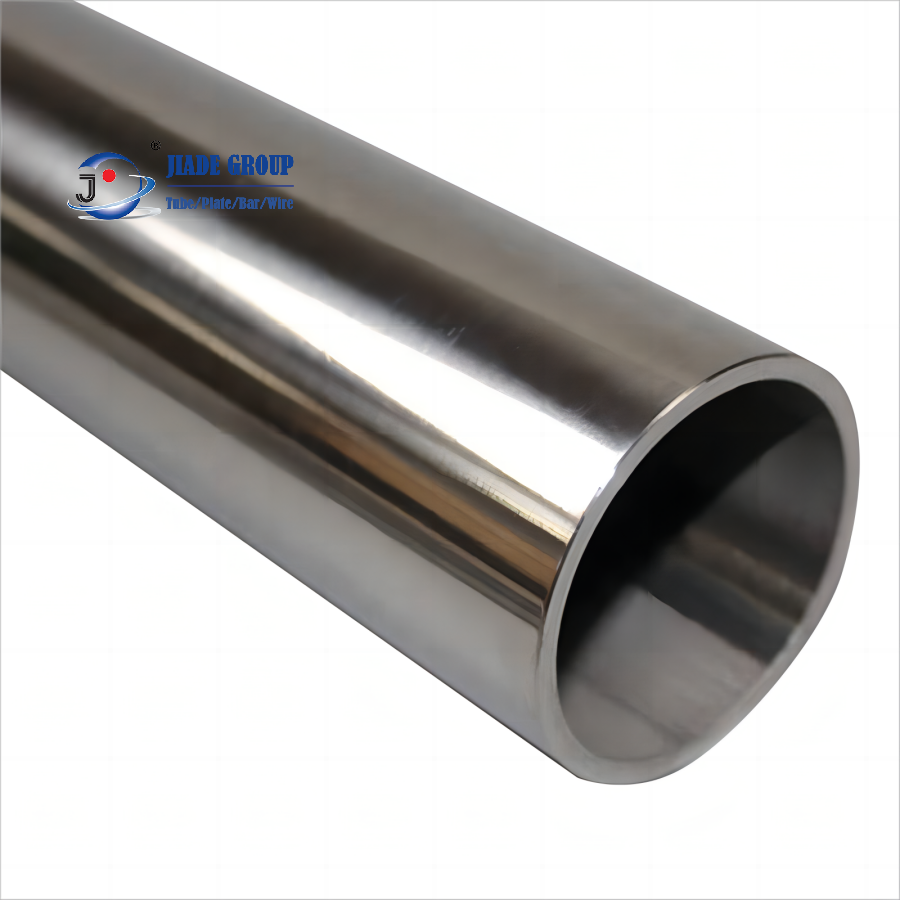
Hastelloy C276 pipe is a high-performance nickel-molybdenum-chromium alloy seamless or welded tube engineered for extreme corrosive environments. This UNS N10276 material offers exceptional resistance to pitting, crevice corrosion, and stress-corrosion cracking, making it the preferred choice for chemical processing, oil & gas extraction, and power generation industries where standard stainless steels fail.
The alloy's unique composition—approximately 57% nickel, 16% molybdenum, and 16% chromium—provides superior stability in both oxidizing and reducing media. Buyers specify Hastelloy C276 tubing when facing aggressive acids like hydrochloric, sulfuric, or phosphoric acid, as well as chloride-rich environments that would rapidly degrade conventional materials. Its versatility spans from small-diameter instrument tubing to large-diameter process piping systems.
JIADE Group manufactures these specialty pipes to international standards including ASTM B622 (seamless/welded pipe) and ASTM B619 (welded pipe), ensuring consistent chemical composition and mechanical properties across all batches. Our production capabilities support various end-use applications requiring certified mill test reports and full traceability documentation.
As a specialized steel manufacturer with over 18 years of experience, JIADE Group delivers competitive advantages that streamline your procurement workflow for specialty alloys like Hastelloy C276 pipe. Our 200,000 square meter facility, backed by $120 million in fixed assets and an annual capacity of 600,000 tons, ensures reliable supply even for large-scale project requirements.
With 600,000 tons annual output and 400+ skilled employees, we guarantee on-time delivery for bulk orders without compromising quality control protocols. Your project timelines remain protected.
Our products comply with API 5L PSL1/PSL2, GB, ASTM, ANSI, DIN, and JIS standards. This flexibility eliminates specification mismatches and simplifies your approval process across global markets.
From raw material sourcing through final inspection, our integrated manufacturing process reduces lead times and provides complete traceability—critical for industries requiring certified material documentation.
Quality assurance at JIADE Group follows a rigorous multi-stage verification process specifically calibrated for nickel-based alloys like Hastelloy C276. Every heat lot undergoes comprehensive chemical analysis using spectrometry to verify compliance with specified ranges: Nickel 57% min, Molybdenum 15-17%, Chromium 14.5-16.5%, Iron 4-7%, with controlled limits on carbon, manganese, silicon, phosphorus, and sulfur.
Mechanical testing includes tensile strength verification, hardness measurements, and intergranular corrosion testing per ASTM A262 Practice E. Our non-destructive examination protocols encompass eddy current testing for seamless pipe, hydrostatic testing for pressure-rated products, and visual inspection for surface defects—all documented in detailed Mill Test Certificates provided with each shipment.
The combination of advanced metallurgical controls and experienced quality engineers means every batch of Hastelloy C276 seamless pipe meets exacting specifications, reducing your incoming inspection burden and minimizing the risk of field failures due to material inconsistencies.
Selecting the correct Hastelloy C276 pipe configuration requires balancing technical performance requirements against total cost of ownership considerations. The following guidance addresses the key decision factors that impact both system reliability and procurement efficiency.
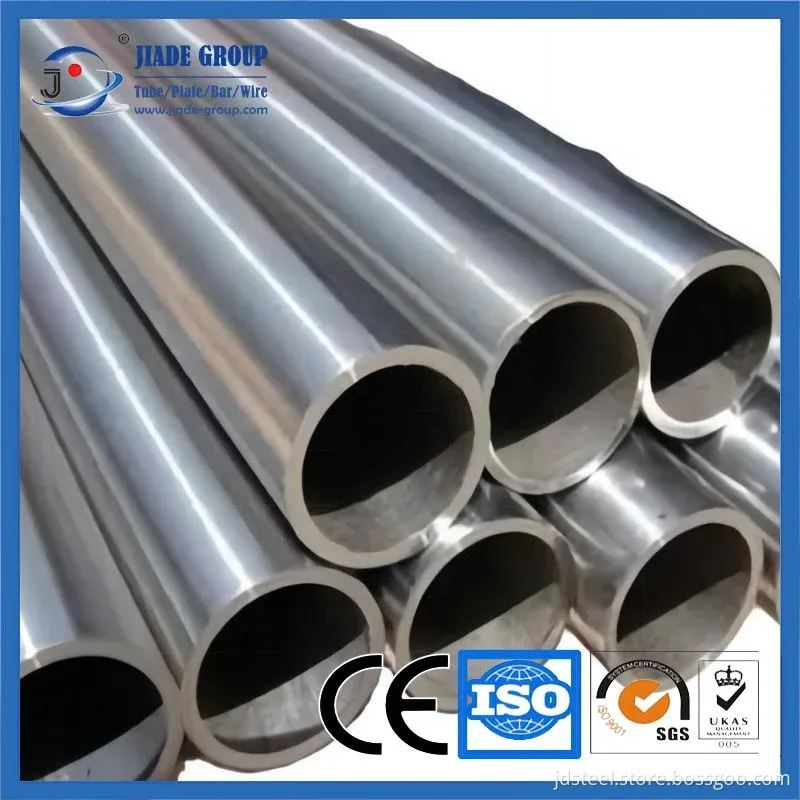
Seamless Hastelloy C276 pipe (ASTM B622) eliminates the weld zone, providing uniform corrosion resistance throughout the entire pipe wall—ideal for high-pressure service, critical safety applications, and environments where weld integrity cannot be guaranteed. This option carries a higher unit cost but reduces long-term failure risk.
Welded Hastelloy C276 pipe (ASTM B619/B623) offers cost efficiency for low-to-medium pressure applications where the weld has been properly filled with matching filler metal and fully heat-treated. For non-critical service conditions, welded pipe can reduce material costs by 15-25% while maintaining adequate performance.
Common size ranges include outer diameters from 6mm to 323.8mm and wall thicknesses from SCH 10 to SCH XXS. JIADE Group maintains inventory of popular sizes and can produce custom dimensions with standard lead times. Specify your required nominal pipe size (NPS), schedule, and tolerance class to receive accurate quotations.
A structured evaluation prevents costly specification errors and supplier mismatches. Use this checklist during your vendor qualification and purchase order review process to ensure every requirement is addressed before committing to a purchase.
Confirm the supplier provides a Mill Test Certificate showing Ni 57% min, Mo 15-17%, Cr 14.5-16.5%. Request third-party lab re-verification for orders exceeding $50,000.
Specify ASTM B622 (seamless) or ASTM B619/B623 (welded) with applicable edition year. Ensure documentation references the correct grade designation UNS N10276 or W.Nr. 2.4819.
Specify interior and exterior finish: Pickled (standard), Bright Annealed (critical purity), or Ground/Polished (specific roughness Ra values). Surface condition directly affects corrosion performance.
Define required non-destructive examinations: Eddy Current (ASTM B649), Hydrostatic Test, UT thickness measurement, or Radiographic examination. Higher-risk applications require more extensive testing.
Specify random lengths (6m-12m), single random, or cut-to-length with tolerance (typically +25mm/-0mm). Pre-cutting reduces field fabrication costs but requires precise quantity planning.
Hastelloy requires protection from iron contamination and physical damage. Confirm end caps, wooden crates, moisture-resistant wrapping, and separation from carbon steel materials during shipping.
Verify solution annealing at 1040-1150°C followed by rapid quenching. Request temperature records from the heat treatment furnace to confirm proper thermal processing was completed.
Standard lead times range from 4-8 weeks for stocked sizes, 8-12 weeks for custom dimensions. Clarify Incoterms (FOB, CIF, EXW) and confirm port of loading to calculate landed costs accurately.
Specialty alloy procurement presents unique challenges that can derail projects if not anticipated. Understanding these common pitfalls allows you to build preventive measures into your supplier evaluation and purchasing processes from the outset.
Unscrupulous suppliers may substitute lower-grade alloys or recycled material with incorrect chemistry. Solution: Require original mill certificates with heat numbers traceable to the casting record. Conduct independent XRF or OES spectrometer testing upon receipt. JIADE Group provides full chain-of-custody documentation and welcomes third-party inspection at our facility before shipment.
Improper welding procedures or insufficient post-weld heat treatment can sensitize the material, creating vulnerability to intergranular attack. Solution: Specify AWS ERNiCrMo-4 filler metal and require weld procedure qualifications per ASME Section IX. Demand intergranular corrosion test results per ASTM A262 Practice E for all welded pipe orders.
Out-of-tolerance OD, wall thickness, or ovality causes fitting failures and installation delays on site. Solution: Define acceptable tolerances explicitly in purchase orders referencing ASTM B622/B619 dimensional standards. Request pre-shipment dimensional inspection reports with actual measured values—not just "compliant" stamps—for critical diameter and wall thickness specifications.
Contact with carbon steel tools, cranes, or storage racks deposits free iron onto Hastelloy surfaces, creating localized corrosion initiation sites. Solution: Require suppliers to use dedicated stainless/nickel alloy handling equipment, plastic end caps, and wood/plastic blocking. Specify "no carbon steel contact" clauses in packaging requirements.
Low initial quotes may exclude essential NDE tests, special packaging, or certification fees that appear later as change orders. Solution: Request itemized quotations breaking down base material cost, NDE testing fees, certification charges, packaging costs, and freight separately. Compare total delivered costs rather than unit prices alone.
Hastelloy C276 pipe serves mission-critical roles across industries where material failure carries unacceptable safety, environmental, or financial consequences. Understanding application-specific requirements helps you specify the right configuration for your operational needs.
Process piping for acetic acid, formic acid, chlorine dioxide, and wet chlorine service. Resists both oxidizing and reducing acids simultaneously—a capability few metals possess. Ideal for heat exchanger tubing, reactor feed lines, and waste neutralization systems.
Upstream tubulars for sour service (H₂S/CO₂ environments), produced water injection lines, and downhole instrumentation tubing. Withstands chloride stress-corrosion cracking in offshore platforms and HPHT (high pressure/high temperature) wells where standard alloys fail prematurely.
Flue gas desulfurization (FGD) systems, mercury-containing waste handling, and hazardous material transport piping. The alloy's resistance to halogen-containing environments makes it ideal for modern emissions control equipment meeting stringent regulatory standards.
Fossil fuel boiler feedwater systems, nuclear waste processing, and geothermal brine handling where chloride-induced corrosion threatens equipment longevity.
High-purity process piping for aggressive cleaning-in-place (CIP) systems, sanitary fluid transfer, and pharmaceutical synthesis where contamination prevention is paramount.
Seawater cooling systems, ballast water piping, and desalination plant components exposed to constant chloride exposure and biofouling conditions.
Not all steel manufacturers possess the specialized capabilities required for nickel alloy production. When evaluating potential suppliers for Hastelloy C276 pipe, assess their metallurgical expertise, quality infrastructure, and track record with specialty alloys rather than treating them as equivalent to carbon steel vendors.
Verify the supplier operates dedicated equipment for nickel alloy processing—including separate rolling mills, piercing units, and heat treatment furnaces—to prevent cross-contamination from carbon steel production. JIADE Group's 200,000 sqm facility includes specialized lines for special steel and alloy products, ensuring material integrity throughout manufacturing.
Look for ISO 9001 certification supplemented by industry-specific qualifications. Critical capabilities include in-house spectrometry labs, certified NDT Level II/III personnel, and accredited heat treatment monitoring. Request audit access to verify these capabilities exist rather than merely appearing on paper.
A qualified supplier provides engineering assistance for material selection, welding procedure development, and corrosion troubleshooting. Evaluate their response time to technical inquiries and whether they employ metallurgists who understand nickel alloy behavior in specific service environments.
Assess raw material sourcing relationships with primary nickel producers (like VDM, Outokumpu, or Special Metals) to ensure consistent ingot quality. Suppliers with established relationships secure better allocation during market shortages and maintain more stable pricing over time.
These answers address the most common questions from procurement professionals evaluating Hastelloy C276 pipe for industrial applications. Each response reflects practical experience from JIADE Group's 18+ years in specialty steel manufacturing and export.
Hastelloy C276 maintains excellent corrosion resistance up to approximately 480°C (900°F) in continuous service. For intermittent exposure, temperatures up to 600°C (1112°F) are acceptable. Above 480°C, carbide precipitation may occur during prolonged exposure, potentially reducing intergranular corrosion resistance. For high-temperature oxidative environments above 600°C, consider Hastelloy C-22 instead.
Yes, but with important precautions. Use AWS ERNiCrMo-4 filler metal (UNS N10675) for both GTAW and GMAW processes. Preheat is generally not required, but post-weld heat treatment at 1040-1150°C followed by rapid quenching is recommended to restore corrosion resistance in the heat-affected zone. Avoid using carbon steel backing rings or temporary supports that could contaminate the weld region.
For standard sizes in stock configurations, shipment typically occurs within 2-4 weeks. Custom dimensions, special heat treatments, or extended NDE requirements extend lead times to 6-10 weeks. During periods of high nickel market demand, raw material allocation may add 2-3 weeks. JIADE Group recommends placing orders at least 8 weeks before required delivery dates for non-stock items.
Hastelloy C276 offers dramatically superior corrosion resistance in reducing acids (hydrochloric, sulfuric) and chloride environments where 316L suffers rapid pitting and crevice corrosion. However, C276 costs 5-8 times more per kilogram than 316L. The economic justification depends on service severity: for mild corrosive conditions, 316L may provide adequate life at lower total cost; for aggressive chemical processing or sour gas service, C276's extended service life typically delivers lower lifecycle cost despite higher upfront investment.
Yes. We welcome buyers and their appointed inspection agencies (such as SGS, BV, or Intertek) to conduct pre-shipment inspections at our manufacturing facility. This includes dimensional verification, visual inspection, sampling for laboratory testing, and review of all documentation. Inspection costs are borne by the buyer, and we coordinate scheduling to minimize impact on production timelines.
We use moisture-resistant wrapping (VCI film or plastic wrap), wooden crates or pallets with steel strapping, protective end caps on all pipe ends, and separation barriers between individual pieces to prevent friction damage. Carbon steel lifting equipment is never used in direct contact with the alloy. For container shipments, desiccant bags are included to control humidity during ocean transit.
Related Products List
Contact Us

Privacy statement: Your privacy is very important to Us. Our company promises not to disclose your personal information to any external company with out your explicit permission.
Fill in more information so that we can get in touch with you faster
Privacy statement: Your privacy is very important to Us. Our company promises not to disclose your personal information to any external company with out your explicit permission.