


Send Message
Privacy statement: Your privacy is very important to Us. Our company promises not to disclose your personal information to any external company with out your explicit permission.



Titanium metal plate represents the pinnacle of durable material engineering, offering an unmatched strength-to-weight ratio that defines modern industrial manufacturing. As a specialized grade of titanium sheet and plate, this material is essential for applications demanding extreme corrosion resistance alongside high structural integrity.
For procurement managers sourcing reliable materials, understanding the specific properties of titanium plate is critical. Whether you are supplying aerospace components, marine hardware, or chemical processing equipment, choosing high-quality titanium metal plate ensures longevity and reduces long-term maintenance costs. Its inert nature makes it superior to standard steel alternatives in aggressive environments, providing a robust solution for complex engineering challenges.
Manufacturing precision is paramount when producing titanium metal plate. Our rigorous quality assurance protocols ensure that every batch meets international standards for mechanical properties and surface finish. From raw material selection to final inspection, we maintain strict control over the production process to guarantee consistency.
We adhere to ASTM B265 and GB/T standards for titanium and titanium alloy plates. This compliance ensures that buyers receive materials with verified chemical compositions and mechanical performance, minimizing risk in your supply chain. Our factory's advanced rolling and heat-treatment capabilities allow us to deliver plates with precise tolerances and uniform grain structures.
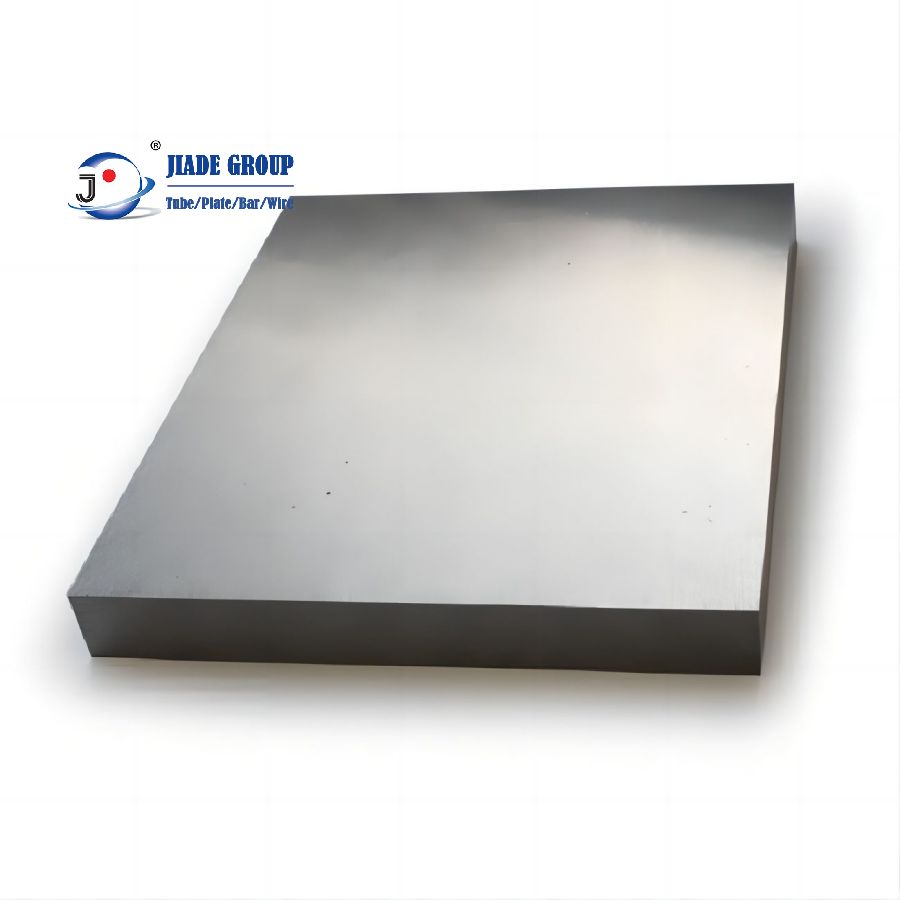
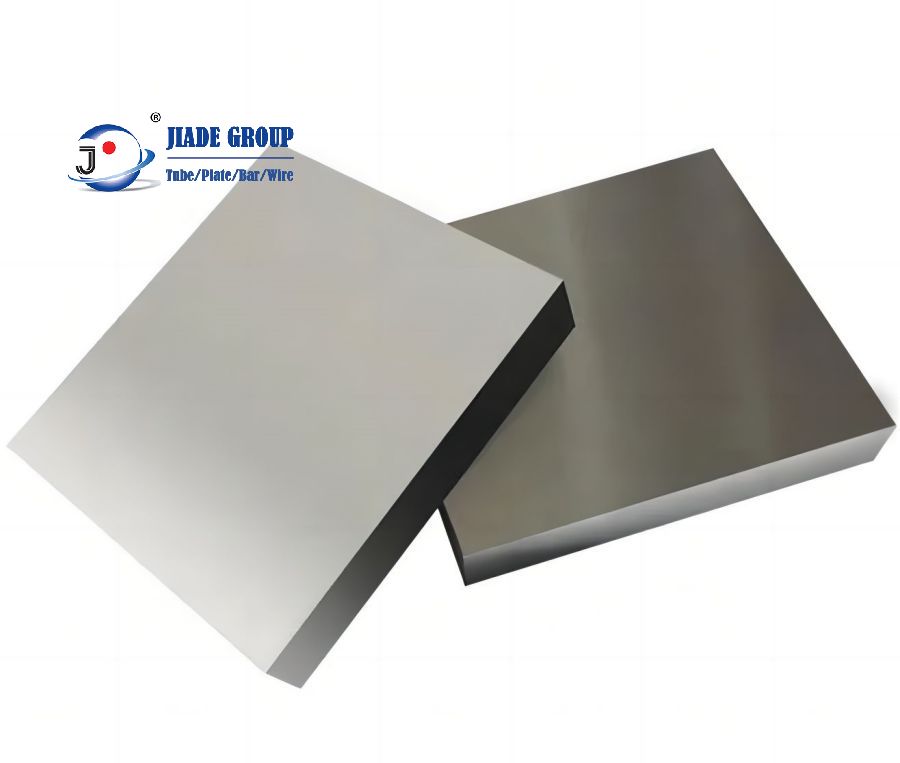
Selecting the correct grade of titanium metal plate requires a clear understanding of your application's environmental and stress factors. Buyers must evaluate whether commercial purity (Gr1/Gr2) or alpha-beta alloys (Gr5) best suit their needs. Considerations include yield strength, corrosion resistance requirements, and weldability.
When evaluating suppliers, verify their ability to provide mill certificates and test reports. A reliable partner will offer technical support to help you optimize material selection, potentially reducing weight and cost without compromising performance. Always request samples to validate dimensions and surface quality before placing bulk orders.
Grade Purity: Ensure the grade matches your corrosion and strength needs.
Thickness Tolerance: Verify tolerance classes (Class 1, 2, or 3) per ASTM standards.
Heat Treatment: Confirm if the plate is annealed, solution treated, or aged.
The versatility of titanium metal plate makes it indispensable across high-value industries. Its unique combination of light weight and high strength allows engineers to design more efficient systems while maintaining safety margins. Below are the primary sectors where our titanium plates deliver exceptional value.
Used in aircraft frames, engine casings, and landing gear due to its high strength-to-weight ratio, improving fuel efficiency and payload capacity.
Resists saltwater corrosion, making it ideal for ship hulls, propeller shafts, and desalination plant heat exchangers.
Biocompatible and non-reactive, used for surgical instruments, bone plates, and joint replacements to ensure patient safety.

Before finalizing a purchase order for titanium metal plate, use this checklist to mitigate risks and ensure supplier reliability. This guide helps procurement teams verify critical aspects of quality, logistics, and compliance.
Procuring titanium metal plate can present specific challenges if not managed correctly. Understanding these common pitfalls allows buyers to avoid costly delays and quality issues.
One of the most frequent issues is receiving plates outside specified thickness tolerances. This can cause machining failures or assembly fitment problems. Solution: Specify the exact tolerance class (e.g., Class 1) in your contract and require pre-shipment inspection reports.
Titanium is susceptible to surface contamination from iron particles or improper handling, leading to corrosion spots. Solution: Ensure suppliers use dedicated titanium handling equipment and protective packaging films during shipping.
Titanium production involves complex smelting and rolling processes, often resulting in longer lead times than standard steel. Solution: Plan orders well in advance and establish a consistent relationship with a manufacturer who has stable raw material stocks.
Substituting lower-grade titanium for higher-grade orders is a serious risk. Solution: Require third-party laboratory testing for chemical composition upon receipt of goods.
Choosing the right partner is as important as selecting the right material. JIADE Group, founded in 2005, offers extensive experience in manufacturing and exporting high-quality metal products. While primarily known for steel pipes, our diversified portfolio includes robust capabilities in special metals like titanium plate.
Established Capacity: Our 200,000 square meter factory supports annual outputs up to 600,000 tons, ensuring we can handle large-scale titanium plate orders efficiently.
Global Compliance: We produce materials compliant with API, ASTM, ANSI, DIN, and JIS standards, facilitating seamless integration into global projects.
Integrated Logistics: With over 400 employees and a fixed asset base of $120 million, we provide end-to-end solutions from production to export, simplifying your procurement workflow.
Get answers to common questions regarding titanium plate specifications, ordering, and handling.
Grade 1 (Gr1) is commercially pure titanium, offering excellent formability and corrosion resistance but lower strength. Grade 5 (Gr5), an alloy of Titanium, Aluminum, and Vanadium, provides significantly higher strength and is used in high-stress applications like aerospace. Choose Gr1 for general corrosion resistance and Gr5 for structural strength.
Yes, titanium plates can be welded using standard techniques such as Tungsten Inert Gas (TIG) or Electron Beam Welding (EBW). However, welding must be performed in a controlled environment to prevent contamination from oxygen or nitrogen, which can embrittle the material.
Standard thicknesses typically range from 0.5mm to 100mm, depending on the rolling capability of the manufacturer. Custom thicknesses can often be produced upon request. For thin sheets (<3mm), cold rolling is usually employed, while thicker plates use hot rolling.
Store titanium plates in a dry, clean environment away from direct contact with carbon steel. Use wooden pallets or plastic separators to prevent iron contamination. Keep protective films intact until installation to avoid scratches and surface oxidation.
Related Products List
Contact Us

Privacy statement: Your privacy is very important to Us. Our company promises not to disclose your personal information to any external company with out your explicit permission.
Fill in more information so that we can get in touch with you faster
Privacy statement: Your privacy is very important to Us. Our company promises not to disclose your personal information to any external company with out your explicit permission.