


Send Message
Privacy statement: Your privacy is very important to Us. Our company promises not to disclose your personal information to any external company with out your explicit permission.



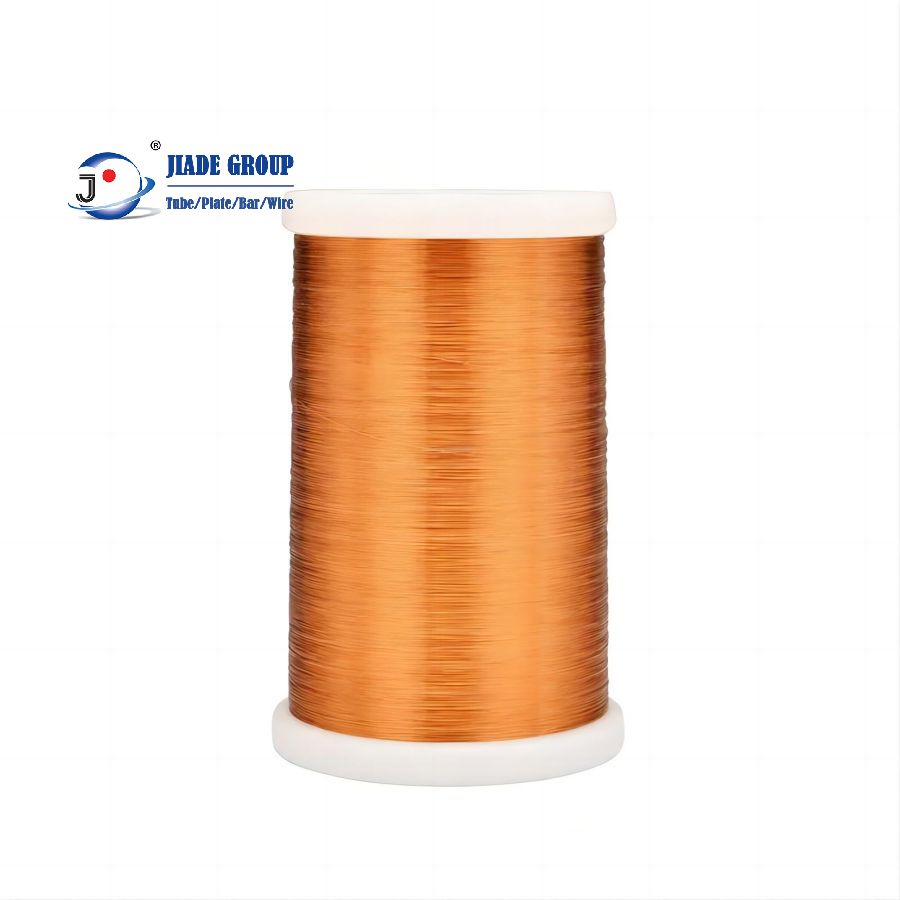
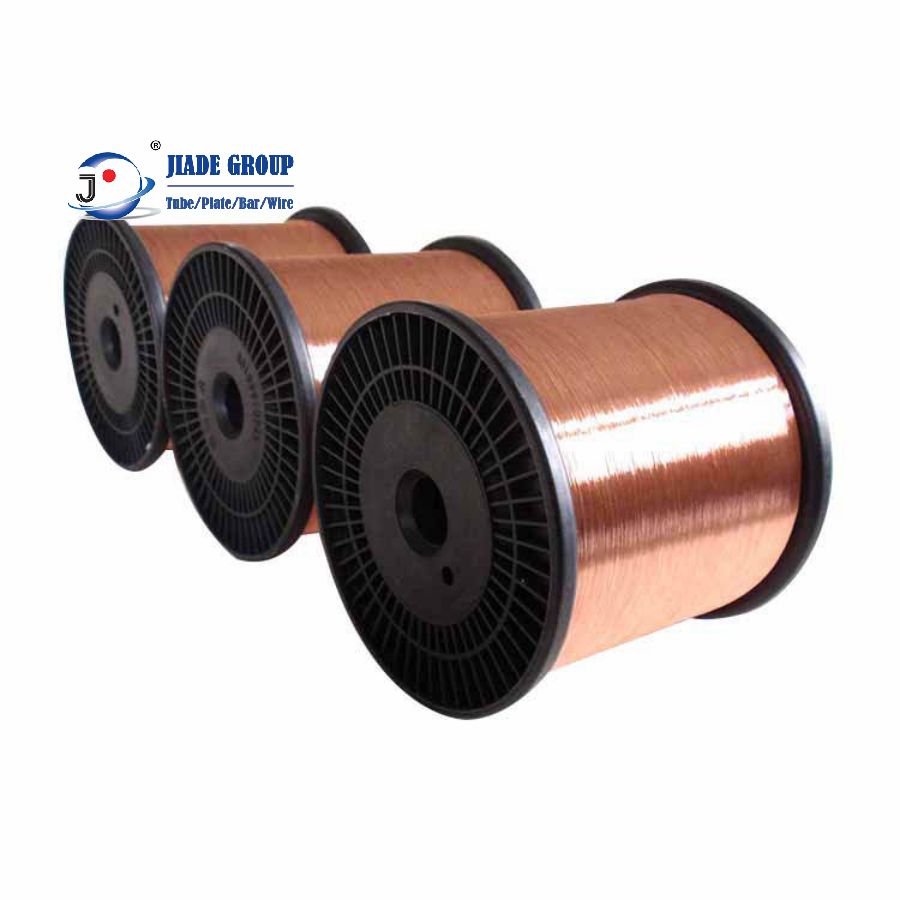
Bare copper wire is a highly conductive, uncoated metal strand used in electrical applications where insulation is provided by other means. It consists of pure copper drawn into wires, offering excellent electrical conductivity and thermal properties.
As a critical component in power transmission and distribution systems, bare copper wire enables efficient energy transfer with minimal resistance. Its corrosion-resistant nature makes it ideal for overhead lines, grounding systems, and industrial busbars.
JIADE Group supplies premium-grade bare copper wire that meets international standards, ensuring reliable performance for your electrical infrastructure projects.
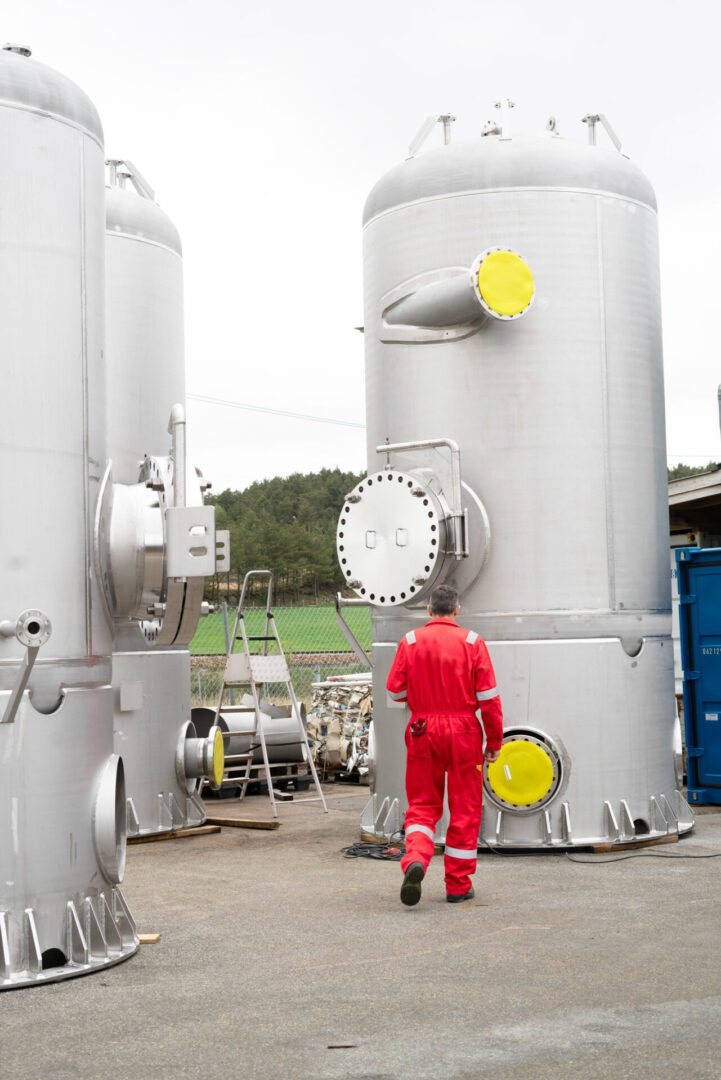
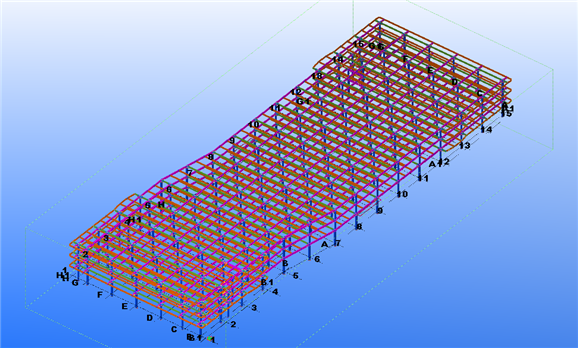
With over 18 years of experience since 2005, JIADE Group operates a modern 200,000 square meter factory equipped with advanced production facilities. Our annual output capacity of 600,000 tons ensures we can meet large-scale orders reliably.
Our bare copper wire complies with API 5L PSL1/PSL2, GB, ASTM, ANSI, DIN, and JIS standards. Every batch undergoes rigorous testing to guarantee consistent quality and performance for your procurement needs.
Beyond standard copper, we supply alloy steel, special steel, and stainless steel materials. This versatility allows you to source multiple material types from a single trusted supplier, simplifying your procurement workflow.
With fixed assets of 120 million USD and a workforce of over 400 employees, we have the infrastructure to handle international shipments efficiently. Our export expertise reduces logistics risks and ensures on-time delivery.
Our manufacturing process begins with carefully selected raw copper materials, sourced from verified suppliers to ensure purity and consistency. The copper is then melted and cast under controlled conditions.
Precision Drawing: The molten copper is drawn into wires using multi-stage drawing processes that maintain dimensional accuracy and mechanical properties throughout production.
Rigorous Testing: Each production batch undergoes electrical conductivity testing, tensile strength analysis, and surface inspection to verify compliance with international standards before shipment.
Consistent Batch Quality: Our quality control system ensures every coil of bare copper wire meets the same high specifications, reducing variability in your downstream manufacturing processes.
Ensure your supplier has sufficient annual output capacity to fulfill your order volume without delays. JIADE Group's 600,000-ton annual capacity guarantees scalable production for bulk orders.
Confirm that the supplier produces materials compliant with your required standards (ASTM, DIN, JIS, etc.). Non-compliant materials can lead to project failures and costly rework.
A modern facility with adequate space and equipment indicates the supplier's ability to maintain consistent quality. Our 200,000 sqm factory supports continuous, high-volume production.
Suppliers with established export operations understand international shipping requirements, documentation, and customs procedures, reducing the risk of delivery complications.
Variations in copper purity across batches can lead to unpredictable electrical performance. Always request conductivity test reports from your supplier and verify results against your specifications.
Wire diameter variations beyond acceptable tolerances can cause fitting problems in downstream manufacturing. Specify exact tolerance ranges in your purchase agreement and require pre-shipment inspection reports.
Supplier capacity constraints often result in delivery delays. Verify the supplier's current production schedule and confirm their ability to meet your timeline before placing large orders.
Even bare copper wire can oxidize if stored improperly. Ensure your supplier uses appropriate packaging and storage conditions, and follow recommended handling guidelines upon receipt.
Bare copper wire serves as a foundational material across numerous industries due to its exceptional conductivity and durability. Understanding these applications helps you select the right specifications for your specific use case.
Overhead power lines, underground cables, and busbar systems rely on bare copper wire for efficient energy transfer with minimal power loss.
Electrical grounding networks in commercial buildings, industrial facilities, and substations use bare copper wire to safely dissipate fault currents.
Electric motors, transformers, and switchgear components incorporate bare copper wire for internal wiring and connection points.
Why We Recommend: With 18+ years of manufacturing experience, a 200,000 sqm factory, and 600,000-ton annual capacity, JIADE Group offers the scale and reliability needed for large-volume bare copper wire procurement.
Key Advantages:
When evaluating bare copper wire suppliers, prioritize those with demonstrated production capacity, verifiable quality certifications, and proven export experience. JIADE Group meets all three criteria and offers competitive pricing backed by substantial manufacturing infrastructure.
Best For: Buyers seeking a single-source supplier capable of delivering bare copper wire alongside complementary steel products, reducing vendor management complexity and improving supply chain efficiency.
Bare copper wire for international markets typically needs to comply with ASTM B3 (standard specification for hard-drawn copper wire), IEC 60228 (conductors of insulated cables), or equivalent regional standards such as DIN, JIS, or GB. JIADE Group produces materials meeting API 5L, ASTM, ANSI, DIN, JIS, and GB standards, ensuring compatibility with global procurement requirements.
Higher copper purity directly correlates with better electrical conductivity. Standard bare copper wire typically contains 99.9%+ copper, which provides optimal conductivity for most applications. Lower purity grades may reduce conductivity by up to 10%, affecting power transmission efficiency and increasing energy costs over time.
Minimum order quantities vary by supplier and product specifications. Large manufacturers like JIADE Group with 600,000-ton annual capacity can accommodate both small trial orders and large bulk purchases, providing flexibility for buyers at different stages of their procurement cycle.
Store bare copper wire in dry, well-ventilated environments away from corrosive substances. Use original packaging until ready for use, and avoid prolonged exposure to humidity or salt air. Proper storage prevents surface oxidation that could affect welding quality and electrical connections.
Yes, bare copper wire is suitable for outdoor overhead power transmission lines. Its natural oxide layer provides some corrosion resistance, though aluminum-clad steel reinforced cable is often preferred for long-span overhead lines due to weight considerations. For shorter spans and grounding applications, bare copper wire performs excellently outdoors.
Before acceptance, verify electrical conductivity using a resistivity tester, measure diameter with calipers at multiple points along the coil, inspect surface for cracks or deformities, and confirm packaging integrity. Request mill test certificates from the supplier documenting chemical composition and mechanical properties.
Related Products List
Contact Us

Privacy statement: Your privacy is very important to Us. Our company promises not to disclose your personal information to any external company with out your explicit permission.
Fill in more information so that we can get in touch with you faster
Privacy statement: Your privacy is very important to Us. Our company promises not to disclose your personal information to any external company with out your explicit permission.