


Send Message
Privacy statement: Your privacy is very important to Us. Our company promises not to disclose your personal information to any external company with out your explicit permission.



Pure copper wire is a fundamental industrial material prized for its exceptional electrical conductivity, thermal properties, and corrosion resistance. For procurement professionals sourcing raw materials, understanding the specific grades and applications of pure copper wire is essential to ensuring project success.
High-purity copper wire typically contains 99.9%+ copper (C11000/C10200), meeting international standards like ASTM B258 and IEC 60228. This purity level ensures consistent performance in critical applications where conductivity is non-negotiable.
Unlike alloyed alternatives, pure copper offers maximum conductivity for electrical transmission and superior heat dissipation. Sourcing verified pure copper reduces your risk of overheating failures and extends the lifespan of your end products.
Reliable supply chains depend on rigorous manufacturing controls. At Shaanxi Jiade Group, our production of copper materials follows strict quality protocols designed to meet global industrial specifications.
Our facility utilizes advanced extrusion and drawing technologies to ensure uniform grain structure and dimensional accuracy. Every batch undergoes testing for conductivity, tensile strength, and surface integrity before shipment.
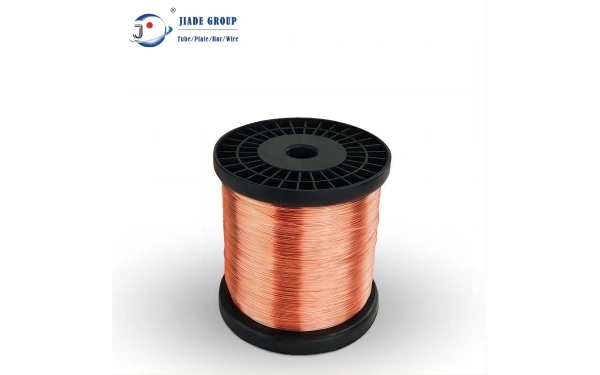
Selecting the correct copper wire specification requires balancing technical requirements with cost efficiency. Buyers must consider factors ranging from electrical load capacity to mechanical flexibility.
C1100 (Electrolytic Toughness Copper): Ideal for general electrical wiring due to excellent formability and conductivity.
C10200 (Oxygen-Free High Conductivity): Best for high-frequency applications where oxygen content could cause brittleness during annealing.
Soft/Annealed (O Temper): Maximum flexibility for winding coils, transformers, and complex routing.
Hard Drawn (H Temper): Higher tensile strength for overhead power lines and structural applications requiring self-support.
Common diameters range from 0.1mm to 10mm+. Thinner gauges (AWG 30+) suit electronics and PCB traces, while thicker wires (AWG 10 and below) handle heavy current loads in industrial motors and busbars.
Use this comprehensive checklist to evaluate suppliers and reduce procurement risk when purchasing pure copper wire. Each criterion addresses a common pain point in industrial material sourcing.
Pure copper wire serves as the backbone of modern electrical infrastructure. Its versatility spans across multiple industries, from renewable energy systems to heavy industrial machinery.
Motor windings, transformer coils, generator stators, and switchgear components require reliable conductivity.
Overhead distribution lines, underground cables, and busbar systems benefit from copper's low resistance.
Printed circuit board traces, wire harnesses, and connector pins demand precise gauge control and surface quality.
Solar panel interconnections, wind turbine generators, and battery storage systems rely on high-purity copper.
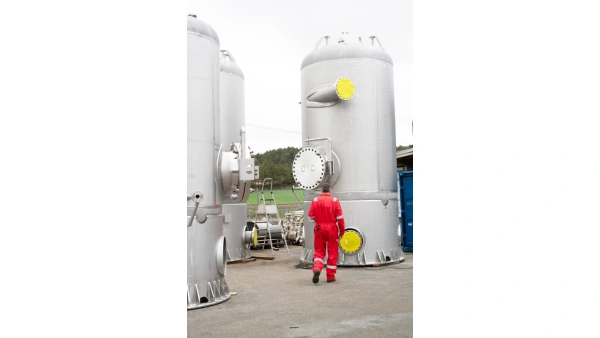
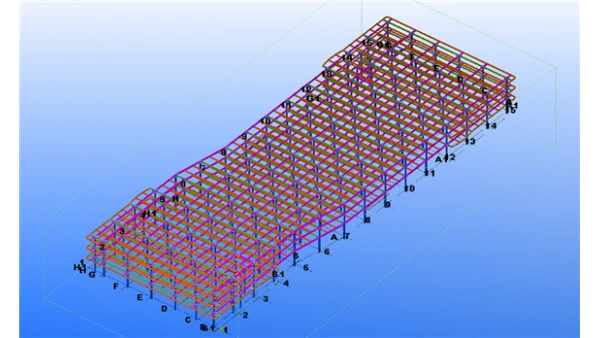
When evaluating potential suppliers for pure copper wire, prioritize companies with proven track records, substantial production capacity, and diversified product portfolios. Here are key recommendations for making informed sourcing decisions.
Look for suppliers with 15+ years of operational history. Jiade Group, founded in 2005, demonstrates long-term market viability and accumulated expertise in metal processing.
Why it matters: Established manufacturers have refined processes, stable supply chains, and financial resilience to handle market fluctuations.
Assess annual output capacity against your projected needs. A 600,000-ton annual capacity ensures the supplier can accommodate large-volume orders without compromising delivery schedules.
Why it matters: High-capacity suppliers offer better economies of scale, reducing your per-unit landed cost.
Suppliers offering multiple metal products (steel pipes, copper materials, alloys) can consolidate your procurement workflow, reducing vendor management overhead.
Why it matters: Single-source relationships simplify logistics, quality assurance, and payment terms across your entire material portfolio.
Common questions from procurement buyers regarding pure copper wire specifications, ordering processes, and quality assurance.
Standard industrial pure copper wire typically contains 99.9% to 99.99% copper. Grade C11000 (electrolytic tough pitch copper) is the most common specification, offering excellent conductivity and formability for general electrical applications. For specialized high-conductivity requirements, oxygen-free copper (C10200) with 99.99%+ purity may be specified.
Temper determines the balance between conductivity and strength. Soft (annealed) temper provides maximum ductility for winding and bending but lower tensile strength. Hard-drawn temper increases tensile strength through cold working but reduces elongation. Select based on whether your application prioritizes formability (transformer windings) or structural integrity (overhead conductors).
Request mill test certificates (MTC) containing chemical composition, physical properties, and dimensional verification. Reputable suppliers provide documentation traceable to international standards such as ASTM B258, IEC 60228, GB/T 3953, or DIN EN 13601. ISO 9001 certification indicates systematic quality management processes.
Most established manufacturers offer customization for wire diameter (typically 0.1mm to 10mm+), temper condition, and coil/winding specifications. Discuss your exact requirements early in the sourcing process. Suppliers with modern drawing equipment can produce specialized gauges efficiently, though minimum order quantities may apply for non-standard specifications.
Premium copper wire packaging includes moisture-resistant wrapping, wooden crates or steel pallets for heavy coils, and desiccant packs to prevent condensation damage. Clear labeling with grade, diameter, net/gross weight, and batch numbers facilitates warehouse receiving. Proper packaging prevents oxidation, mechanical damage, and contamination during transit.
Total landed cost includes: FOB product price + ocean/air freight + insurance + customs duties + port handling fees + inland transportation + warehousing costs. Factor in currency exchange rates if importing from overseas. Request detailed quotations specifying Incoterms (FOB, CIF, DDP) to understand exactly which costs you bear. Volume discounts and container utilization optimization can significantly reduce per-unit costs.
Related Products List
Contact Us

Privacy statement: Your privacy is very important to Us. Our company promises not to disclose your personal information to any external company with out your explicit permission.
Fill in more information so that we can get in touch with you faster
Privacy statement: Your privacy is very important to Us. Our company promises not to disclose your personal information to any external company with out your explicit permission.