


Send Message
Privacy statement: Your privacy is very important to Us. Our company promises not to disclose your personal information to any external company with out your explicit permission.



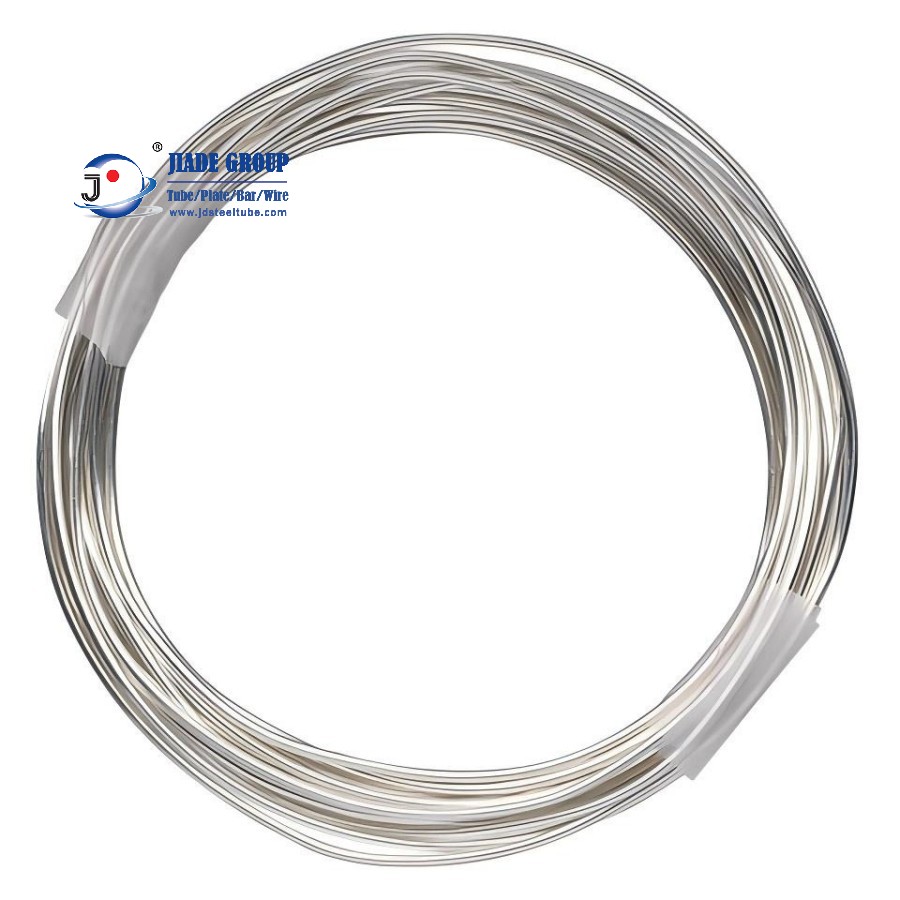
Titanium wire is a specialized metal filament derived from high-purity titanium alloys, engineered for applications demanding exceptional strength-to-weight ratios, corrosion resistance, and biocompatibility. Unlike standard steel or copper wires, titanium wire maintains structural integrity in extreme environments, making it indispensable for aerospace components, medical implants, chemical processing equipment, and high-performance automotive parts.
For procurement professionals sourcing titanium wire for industrial applications, understanding the material's unique properties is critical. The primary advantage lies in titanium's natural oxide layer, which provides superior resistance to chlorides, acids, and oxidizing environments where stainless steel would fail. This translates to longer service life, reduced maintenance costs, and enhanced safety margins in critical installations.
The global demand for titanium wire continues to grow as industries seek lighter, more durable materials. However, sourcing quality titanium wire requires careful evaluation of supplier capabilities, alloy specifications, and manufacturing standards. Buyers must distinguish between commercial-grade and aerospace-grade products, ensuring the supplier can provide consistent batch quality and full material traceability.
Our titanium wire manufacturing process adheres to the most rigorous international standards, ensuring every batch meets exacting specifications for purity, dimensional tolerance, and mechanical properties. As an established manufacturer with over two decades of experience in specialty metals, we have invested heavily in advanced production technology and quality control systems.
Our state-of-the-art facility employs vacuum arc remelting (VAR) and electron beam melting (EBM) processes to produce titanium ingots with minimal impurity content. The wire drawing sequence utilizes precision multi-stage reduction with intermediate annealing, achieving tight tolerances on diameter consistency and surface finish. Our quality management system ensures complete traceability from raw titanium sponge to finished wire spools.
Every production lot undergoes comprehensive testing including tensile strength analysis, elongation measurements, grain size determination, and non-destructive examination. We maintain strict control over interstitial elements (oxygen, nitrogen, carbon, iron) to ensure consistent mechanical performance. Third-party laboratory verification is available for all shipments, providing buyers with confidence in material compliance.
Buyer benefit: Our comprehensive quality assurance program eliminates supply chain risk by guaranteeing that every meter of titanium wire you receive meets your exact specifications, reducing rejection rates and production delays.
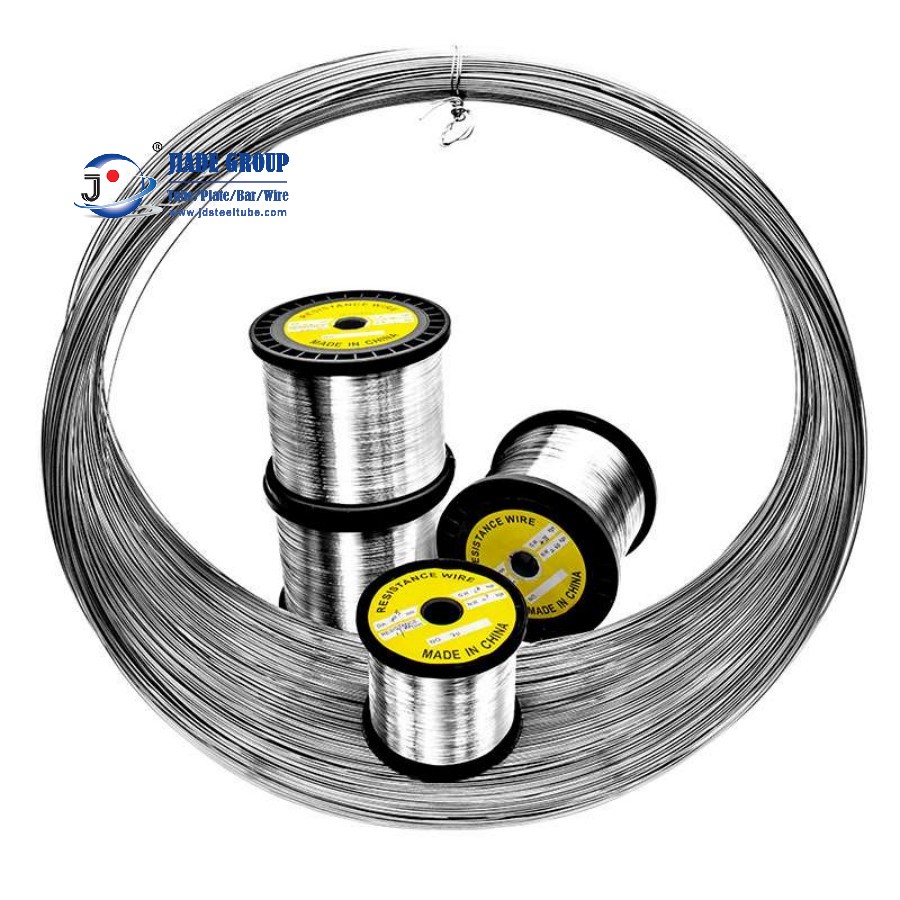
Selecting the appropriate titanium wire specification requires careful consideration of your application's mechanical, chemical, and environmental demands. The wrong choice can lead to premature failure, costly replacements, or compromised safety. Our selection guide helps procurement teams make informed decisions based on technical requirements and total cost of ownership.
Commercial Pure (CP) Titanium: Grades 1-4 offer varying levels of strength and formability. Grade 2 is the most common choice for general corrosion resistance applications. Ideal for chemical processing, marine environments, and architectural applications where weldability is important.
Titanium Alloys: Ti-6Al-4%V (Grade 5) provides the best combination of strength, toughness, and processability. Used extensively in aerospace, surgical implants, and high-stress mechanical components. Ti-6Al-2Sn-4Zr-6Mo offers improved creep resistance for elevated temperature service.
Tensile strength requirements vary significantly by application. Standard annealed wire typically achieves 550-880 MPa ultimate tensile strength depending on grade and temper. Cold-drawn conditions can increase strength but may reduce ductility. Consider whether you need fully annealed, half-hard, or hard temper wire for your forming or spring applications.
Elongation percentages indicate formability – higher values mean better suitability for bending, coiling, and complex shaping operations without cracking.
Diameter tolerances are critical for applications requiring precise fit or electrical conductivity. Standard tolerances range from ±0.025mm for diameters under 1mm to ±0.076mm for larger sizes. Roundness and straightness requirements should be specified for precision applications.
Surface finish affects fatigue life and appearance. Mill finish is suitable for many industrial applications, while bright drawn or polished surfaces are required for medical and cosmetic applications.
Match the titanium wire specification to your operating environment. Chloride-containing atmospheres, acidic process streams, and seawater applications demand high-purity grades with controlled interstitial content. Elevated temperature service above 300°C requires alpha or near-alpha alloys to maintain strength and resist creep deformation.
Procurement tip: Always request mill test certificates with your titanium wire orders. These documents verify chemical composition, mechanical properties, and heat treatment history, providing essential documentation for your quality records and regulatory compliance.
Titanium wire serves critical roles across diverse industries where conventional materials cannot meet performance requirements. Understanding these applications helps procurement specialists identify the right specifications and validate supplier expertise in their specific market segment.
Titanium wire is essential for aircraft cable systems, fastener manufacturing, and composite tooling. Its lightweight nature reduces aircraft weight while maintaining structural integrity. High-fatigue-resistance grades are specified for landing gear components and engine attachments where failure is not an option.
Biocompatible titanium wire forms the backbone of orthopedic implants, dental fixtures, and surgical instruments. Grade 23 (ELI) titanium offers superior fracture toughness for load-bearing implants. Medical-grade wire must meet stringent cleanliness and surface quality requirements, with full biocompatibility documentation provided.
Corrosion-resistant titanium wire is used for thermocouple protection tubes, expansion joint reinforcement, and chemical industry filtration systems. Its immunity to chloride stress corrosion cracking makes it ideal for desalination plants, pulp and paper mills, and offshore processing facilities.
High-performance applications benefit from titanium wire's strength-to-weight ratio in exhaust systems, suspension components, and racing brake lines. Weight reduction directly improves acceleration, handling, and fuel efficiency. Heat-resistant alloys maintain performance under extreme thermal cycling.
Specialized electrical applications utilize titanium wire for spark erosion electrodes, resistance welding electrodes, and specialized electrical contacts. While not conductive like copper, titanium's unique properties serve niche electrical functions where other metals would fail.
Spray forming nozzles, pressure vessel reinforcement, and specialized fastening systems all benefit from titanium wire's combination of strength, corrosion resistance, and reliability. Industrial buyers value the long-term cost savings despite higher initial material costs.

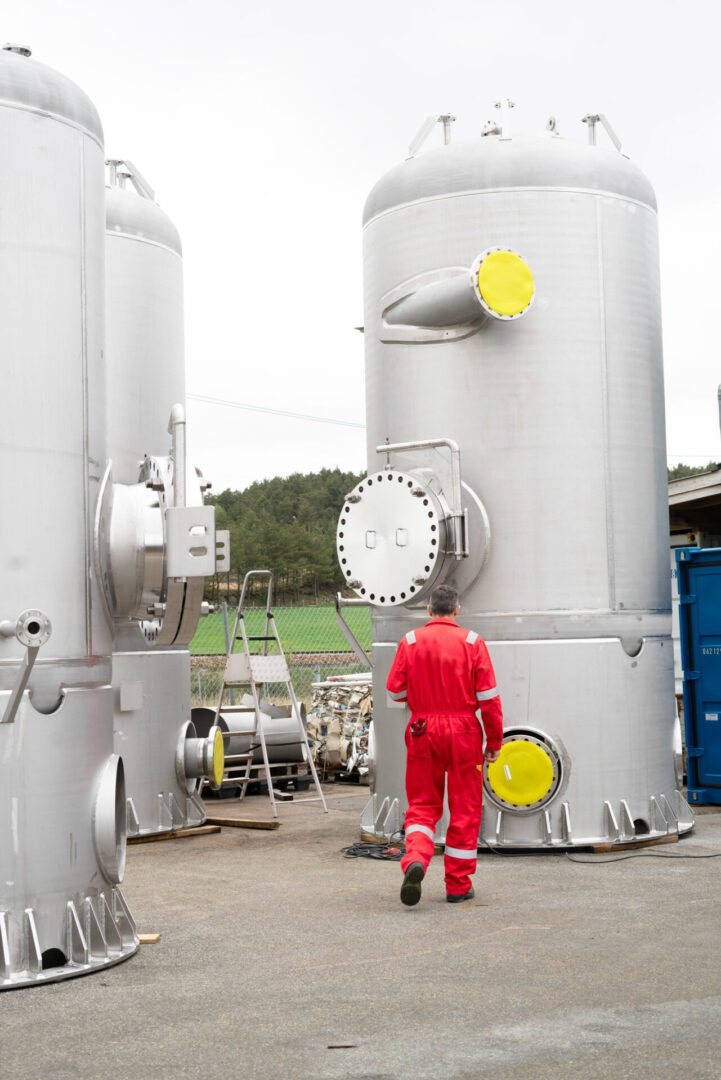
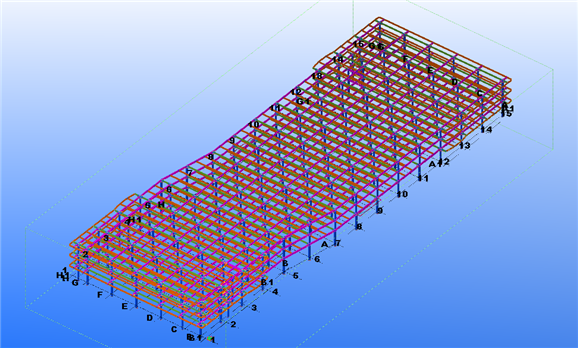
Before committing to a titanium wire purchase, use this comprehensive checklist to evaluate suppliers and specifications. Following this systematic approach minimizes procurement risk and ensures you receive material that meets your exact requirements.
When requesting quotes, provide complete specifications including: alloy grade (e.g., Grade 2, Grade 5), diameter with tolerance (e.g., 2.0mm ±0.025mm), temper condition (annealed, half-hard, hard), surface finish requirement, quantity in kilograms or meters, length per coil, packaging requirements, and applicable standards (ASTM B348, AMS 4928, etc.). Complete specifications prevent misunderstandings and ensure accurate pricing.
Finding a trustworthy titanium wire supplier requires evaluating manufacturing capabilities, quality systems, and industry reputation. Our recommended suppliers demonstrate proven expertise in titanium wire production with track records of consistent quality delivery and competitive pricing.
In-house production capability: Prioritize suppliers who manufacture titanium wire using their own equipment rather than trading companies. Direct manufacturers offer better pricing, faster response times, and direct technical support. Look for suppliers with dedicated titanium processing facilities equipped with vacuum melting, forging, and precision wire drawing equipment.
Production capacity verification: Confirm the supplier can handle your order volume within your required timeframe. Established manufacturers typically maintain inventory of common grades and diameters while accommodating custom specifications for specialized applications.
Certified quality management: Select suppliers with active ISO 9001 certification and industry-specific qualifications such as AS9100 for aerospace or ISO 13485 for medical device applications. These certifications demonstrate systematic approaches to quality control and continuous improvement.
Testing laboratory access: Suppliers with in-house testing capabilities provide faster turnaround on material verification and can address quality concerns immediately. Third-party laboratory partnerships add additional verification layers for critical applications.
Proven application knowledge: Experienced suppliers understand the specific requirements of different industries and can recommend optimal specifications. They anticipate potential issues and provide proactive guidance on material selection and processing considerations.
Customer references: Request references from customers in your industry sector. Successful long-term relationships with major manufacturers indicate consistent quality and reliable service delivery.
Technical support availability: Quality suppliers provide engineering assistance for material selection, specification development, and troubleshooting production issues. Responsive technical support reduces implementation risks and accelerates project timelines.
Flexible ordering options: Look for suppliers offering various packaging configurations, cut-to-length services, and emergency order capabilities. Flexibility in ordering terms supports just-in-time manufacturing and reduces inventory carrying costs.
Procurement professionals frequently encounter challenges when sourcing titanium wire due to the material's complexity and the specialized nature of its production. Understanding these common pitfalls enables proactive risk mitigation and smoother purchasing experiences.
The problem: Different batches show varying mechanical properties, dimensional tolerances, or surface quality. This inconsistency disrupts manufacturing schedules and compromises final product reliability.
Solution: Work only with manufacturers who maintain strict process control and statistical quality monitoring. Require mill test certificates for every shipment and establish incoming inspection protocols. Consider quarterly supplier audits to verify ongoing compliance.
The problem: Suppliers substitute lower-grade titanium or mix up alloy designations, leading to inadequate performance in demanding applications. This risk is particularly acute with unfamiliar or overseas suppliers.
Solution: Specify exact alloy grades with reference to recognized standards (ASTM, AMS, MIL). Request chemical composition verification and consider third-party testing for initial orders. Maintain clear communication about criticality of grade accuracy.
The problem: Titanium wire scratches, kinks, or becomes contaminated during transportation, rendering it unsuitable for precision applications. Improper packaging is a frequent cause of material damage.
Solution: Specify protective packaging requirements including rigid reels, individual wrapping, and moisture barriers. Discuss shipping methods with your supplier and consider insurance for high-value orders. Inspect materials immediately upon receipt.
The problem: Initial quotes appear attractive but exclude tolling fees, heat treatment costs, testing expenses, or packaging charges, resulting in significantly higher final prices than anticipated.
Solution: Request detailed pricing breakdowns including all processing, testing, and packaging costs. Compare total landed cost rather than unit price alone. Establish pricing agreements for recurring orders to protect against market volatility.
The problem: Production delays, customs clearance issues, or logistical complications extend delivery beyond planned schedules, causing production stoppages and project delays.
Solution: Build realistic lead times into your procurement planning with buffer periods. Maintain relationships with multiple qualified suppliers to enable backup sourcing. Consider safety stock strategies for critical titanium wire specifications.
The problem: Missing or incomplete mill test certificates, material traceability records, or compliance documentation create audit failures and regulatory compliance issues, especially in regulated industries.
Solution: Specify required documentation in purchase orders and verify completeness before payment. Maintain organized records of all material certifications for quality audits and customer requirements.
Commercial pure (CP) titanium wire contains 99%+ titanium with minimal alloying elements, offering excellent corrosion resistance and formability. It comes in four grades (1-4) with increasing strength levels. Titanium alloy wire, typically Ti-6Al-4V (Grade 5), contains aluminum and vanadium additions that significantly increase strength while maintaining good corrosion resistance. CP grades are chosen for maximum formability and corrosion resistance, while alloy grades are selected when higher strength is required for structural applications.
Standard titanium wire tolerances typically range from ±0.025mm for diameters under 1mm to ±0.076mm for larger diameters. Precision drawing can achieve tighter tolerances of ±0.013mm for critical applications, though this increases cost and reduces production speed. Roundness tolerance is usually specified as a percentage of nominal diameter. For most industrial applications, standard tolerances provide adequate accuracy while maintaining reasonable pricing and delivery times.
Titanium wire significantly outperforms stainless steel in chloride-containing environments and reducing acids. While 316L stainless steel may suffer pitting and crevice corrosion in seawater or bleach solutions, titanium remains immune to these attack mechanisms. Titanium also maintains superior performance at elevated temperatures where stainless steel strength degrades. However, titanium wire costs 3-5 times more than stainless steel, so the comparison must weigh lifetime performance against initial material cost.
Premium titanium wire is typically packaged on rigid steel or plastic reels with individual polyethylene wrapping to prevent surface contact. Moisture-absorbing desiccant packets are included to prevent contamination during transit. For smaller diameters, vacuum-sealed packaging provides maximum protection. Reels are secured with steel strapping and corner protectors to prevent crushing. Clear labeling identifies material grade, heat number, and handling instructions to ensure proper treatment throughout the logistics chain.
Minimum order quantities vary by specification complexity. Standard grades and common diameters may have MOQs as low as 50kg, while custom alloys, special tolerances, or unusual temper conditions typically require 200-500kg minimums to justify setup costs. Trial orders for new specifications may be accommodated at slightly higher unit prices. Establishing a standing order agreement often reduces minimum requirements for future purchases.
Titanium wire can be successfully welded using tungsten inert gas (TIG) or electron beam welding in properly controlled environments. Shielding with argon or helium gas is essential to prevent atmospheric contamination during welding. Laser welding is increasingly used for thin wire applications. Post-weld heat treatment may be required to restore mechanical properties in the heat-affected zone. Welding titanium requires specialized equipment and trained operators familiar with the material's unique characteristics.
Essential certifications include ISO 9001 for quality management systems and material test certificates conforming to EN 10204 Type 3.1 or 3.2 for chemical and mechanical property verification. Aerospace applications may require AS9100 certification and compliance with AMS specifications. Medical device applications need ISO 13485 and biocompatibility documentation. Additional certifications like PED 2014/68/EU conformity may be necessary for pressure-related applications in European markets.
Verify certificates by cross-referencing heat numbers with physical markings on packaging or wire spools. Contact the issuing laboratory directly to confirm certificate authenticity. Request original documentation rather than copies when possible. For high-value transactions, engage independent testing laboratories to perform spot checks on chemical composition and mechanical properties. Reputable suppliers welcome verification requests and maintain transparent documentation practices.
Related Products List
Contact Us

Privacy statement: Your privacy is very important to Us. Our company promises not to disclose your personal information to any external company with out your explicit permission.
Fill in more information so that we can get in touch with you faster
Privacy statement: Your privacy is very important to Us. Our company promises not to disclose your personal information to any external company with out your explicit permission.