


Send Message
Privacy statement: Your privacy is very important to Us. Our company promises not to disclose your personal information to any external company with out your explicit permission.



Titanium wire is a specialized metal alloy composed primarily of titanium, renowned in the jewelry industry for its exceptional strength-to-weight ratio and hypoallergenic properties. Unlike traditional precious metals such as gold or silver, titanium offers a modern aesthetic with a naturally sleek, gunmetal-gray finish that appeals to contemporary buyers seeking durable and lightweight accessories.
For jewelry manufacturers, using titanium wire for jewelry making means creating pieces that are significantly lighter than steel but just as robust. This material is ideal for crafting rings, bracelets, necklaces, and earrings that can withstand daily wear without causing skin irritation, making it a preferred choice for sensitive skin types and active lifestyles.
The manufacturing process for high-grade titanium wire involves rigorous control over purity levels and mechanical properties. Shaanxi Jiade Group Co., Ltd. leverages advanced processing techniques to ensure that every batch of titanium wire meets strict international standards for tensile strength, ductility, and surface finish.
Our quality assurance protocols focus on eliminating defects that could compromise the integrity of finished jewelry pieces. From raw material sourcing to final packaging, we maintain a transparent supply chain that allows buyers to verify the origin and specifications of their materials.
We provide detailed mill test certificates confirming the chemical composition and mechanical properties of our titanium wire, ensuring consistency across large orders.
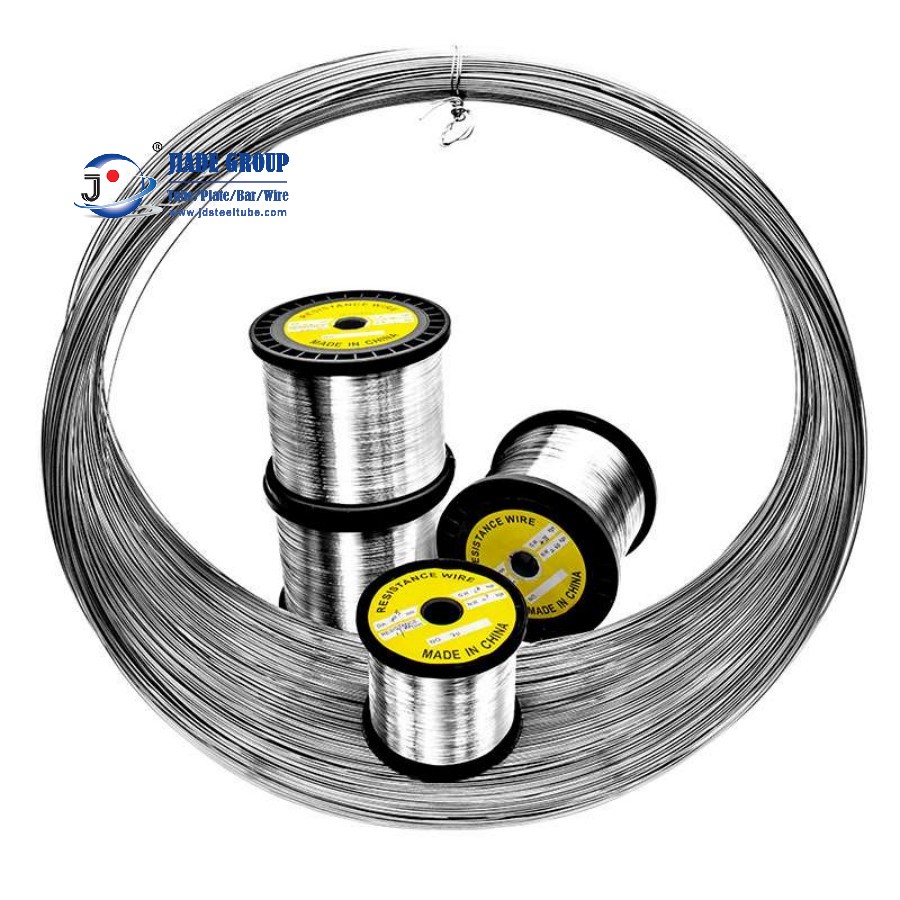
Selecting the appropriate titanium wire requires understanding several key factors: diameter, temper (hardness), and grade. For delicate jewelry components like clasps or fine chains, thinner gauges (0.5mm - 1.0mm) in a half-hard temper offer the necessary flexibility. For structural elements like ring bands, thicker wires (2.0mm+) in a full-hard temper provide superior durability.
Grade 2 titanium is the most common choice for jewelry due to its excellent balance of formability and strength. However, for specialized applications requiring higher corrosion resistance, Grade 5 (Ti-6Al-4V) may be considered, though it is more challenging to work with.
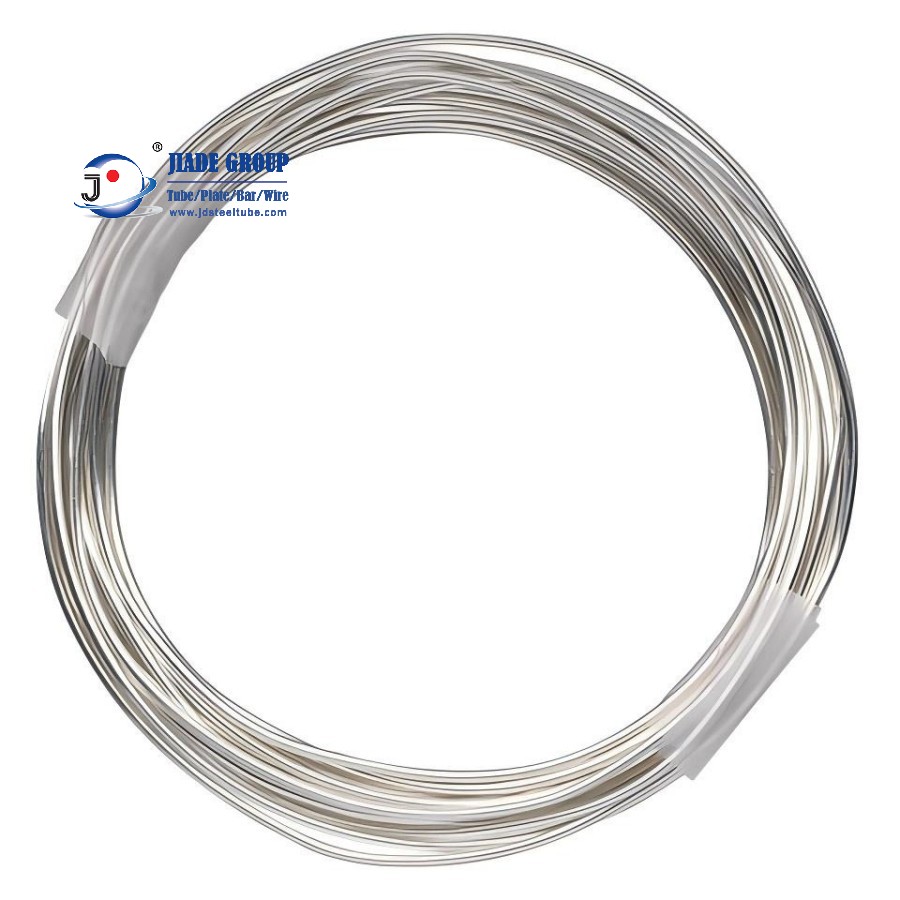
Before placing an order for titanium wire, use this comprehensive checklist to ensure you are partnering with a reliable supplier and selecting the correct product specifications.
With a 200,000 square meter factory and annual output capacity up to 600,000 tons, Jiade Group ensures consistent supply even for large-scale jewelry production needs.
Over 400 employees dedicated to maintaining strict quality control standards, ensuring every piece of titanium wire meets your precise specifications.
Years of experience in exporting steel and specialty metals globally, with established logistics networks to deliver titanium wire efficiently to your location.
Many suppliers fail to maintain tight tolerances, leading to issues in automated jewelry manufacturing. Always request samples to verify dimensional accuracy before committing to bulk orders.
Titanium wire is prone to scratching during transit if not properly packaged. Ensure your supplier uses protective wrapping and rigid containers to maintain surface quality.
Some vendors may substitute lower-grade titanium for premium grades. Insist on material certifications and consider third-party testing for critical shipments.
Production delays can disrupt jewelry launch schedules. Partner with suppliers who have substantial inventory and proven track records of on-time delivery.
Yes, titanium is highly biocompatible and hypoallergenic, making it an excellent choice for individuals with sensitive skin or metal allergies. It does not contain nickel, which is a common allergen found in many other jewelry alloys.
Grade 1 titanium is softer and more ductile, ideal for intricate designs requiring extensive bending. Grade 2 titanium, known as commercial pure titanium, offers higher strength while maintaining good formability, making it the most popular choice for general jewelry applications.
Yes, titanium can be welded using specialized techniques such as TIG (Tungsten Inert Gas) welding or laser welding. However, it requires controlled environments to prevent contamination, so professional equipment and skilled operators are essential.
Store titanium wire in a dry, clean environment away from direct contact with other metals to prevent galvanic corrosion. Keep it in its original packaging until ready for use, and avoid stacking heavy items on top of wire spools.
MOQs vary by supplier, but many manufacturers offer flexible options starting from small quantities for prototyping up to large volumes for mass production. Contact Shaanxi Jiade Group for specific MOQ requirements based on your project needs.
Related Products List
Contact Us

Privacy statement: Your privacy is very important to Us. Our company promises not to disclose your personal information to any external company with out your explicit permission.
Fill in more information so that we can get in touch with you faster
Privacy statement: Your privacy is very important to Us. Our company promises not to disclose your personal information to any external company with out your explicit permission.